
As individuals navigate the complexities of aging, maintaining physical vitality and a healthy body composition becomes increasingly crucial. One prevalent challenge for many older adults is the accumulation of abdominal fat, particularly visceral fat, which surrounds internal organs and poses significant health risks. While traditional cardiovascular exercises are often recommended for overall fitness, a growing body of evidence and expert opinion highlights the remarkable efficacy of seated strength training, particularly for those over the age of 55, in addressing this specific concern. This approach offers a low-impact yet potent method to strengthen the core, elevate metabolic rate, and contribute to a more favorable body composition, often with advantages over solely relying on conventional aerobic activities.
The physiological changes that accompany aging, such as a natural decline in muscle mass (sarcopenia) and a slowing metabolism, contribute to the propensity for fat accumulation, especially around the midsection. This isn’t merely an aesthetic issue; excess visceral fat is strongly linked to an increased risk of chronic conditions including type 2 diabetes, heart disease, certain cancers, and metabolic syndrome. Therefore, effective strategies to mitigate its presence are vital for long-term health and functional independence.
Seated exercises present a compelling solution by providing a stable and supportive platform for movement, which is particularly beneficial for individuals who may experience balance issues, joint discomfort, or reduced mobility. This accessibility removes significant barriers that often deter older adults from engaging in regular physical activity. By performing movements from a seated position, the risk of falls is minimized, making exercise a safer and more appealing prospect. Moreover, the focus shifts to controlled, deliberate muscle engagement, maximizing the effectiveness of each repetition without undue strain on the musculoskeletal system.
Karen Ann Canham, CEO and founder of Karen Ann Wellness, underscores the profound benefits of integrating chair-based workouts into a regular fitness regimen. She notes that these routines are adept at fostering muscle development and increasing caloric expenditure. Unlike some forms of high-impact activity, seated exercises are remarkably joint-friendly, offering an ideal pathway for sustained physical activity without exacerbating existing conditions like arthritis or knee pain. The emphasis on controlled motion and proper form, often seen in disciplines like Pilates, allows for deep muscle activation and core stabilization, which are foundational for effective abdominal fat reduction. Canham further highlights that a focused, moderately intense 30-minute session, particularly one adapted from Pilates principles, can significantly contribute to an individual’s daily energy output, depending on the exertion level.
The comparative effectiveness against traditional cardiovascular workouts, particularly for localized fat reduction, stems from the role of muscle mass. While aerobic exercise is excellent for cardiovascular health and overall calorie burning, strength training, even in a seated format, is superior at building and preserving muscle tissue. Muscle is metabolically active, meaning it burns more calories at rest than fat. By increasing lean muscle mass, individuals can elevate their resting metabolic rate, leading to more sustained fat loss over time, even outside of exercise sessions. For older adults, who are naturally losing muscle, this becomes a critical factor. Targeted core engagement within these seated exercises directly addresses the musculature surrounding the abdominal cavity, promoting strength and tone that can contribute to a reduction in abdominal girth.
To effectively harness these benefits, the technique of execution is paramount. Canham stresses the importance of slow, precise movements, emphasizing the connection between mind and muscle. Stabilizing the body through the "sit bones" – the bony prominences at the base of the pelvis – provides a strong foundation for executing exercises with integrity, ensuring that the core muscles are actively engaged throughout the routine. While specialized equipment like a Pilates chair offers unique advantages, many fundamental movements can be successfully performed using a robust, armless chair or a workout bench at home, making this fitness approach widely accessible.
Here are five exemplary seated exercises, designed to activate key muscle groups and contribute to enhanced core strength and metabolic conditioning:
1. Lateral Leg Extensions
This exercise targets the hip abductors and gluteal muscles, crucial for hip stability and lower body strength, while also engaging the core for balance.
- Execution: Sit tall on the edge of a sturdy chair with feet flat on the floor, hip-width apart. Maintain a neutral spine. Slowly extend one leg out to the side, keeping it straight and parallel to the floor, without leaning your torso. Hold briefly, feeling the contraction in the outer thigh and glute, then return the leg to the starting position with control. Repeat on the other side.
- Benefits: Strengthens the muscles responsible for moving the leg away from the body, which are often underutilized. Improves hip mobility and stability, reducing strain on the lower back and enhancing functional movement.
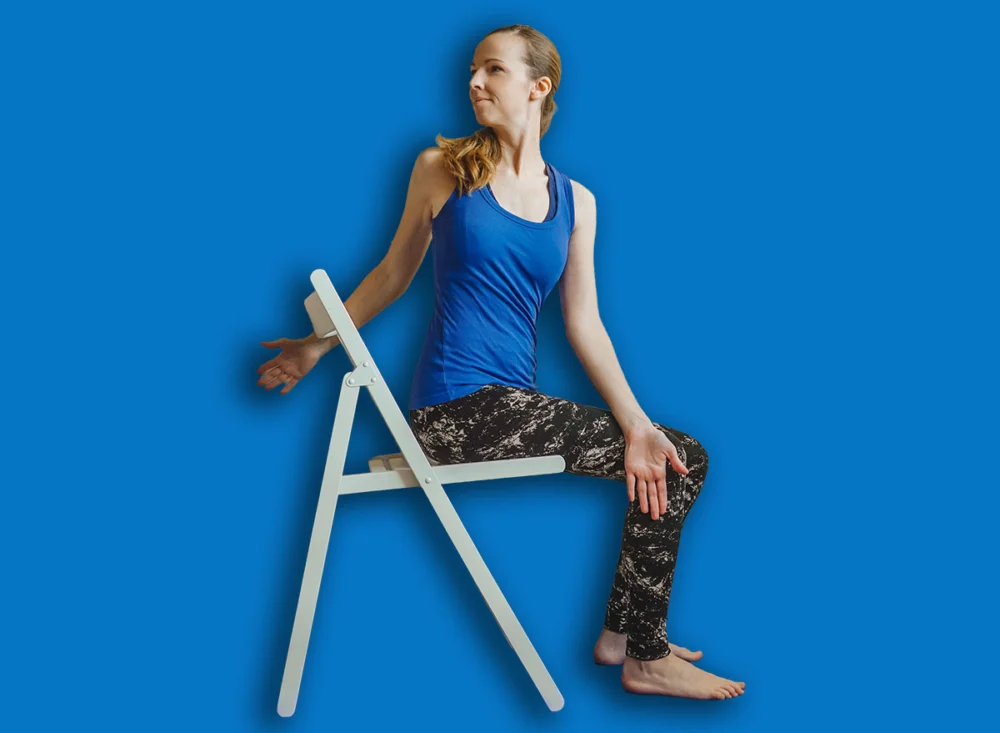
2. Torso Twist and Reach
This dynamic movement engages the oblique muscles, which are vital for rotational stability and contributing to a cinched waistline, while also improving spinal flexibility.
- Execution: Sit upright with both feet firmly planted. Place hands behind your head or cross them over your chest. Inhale deeply, and as you exhale, slowly twist your torso to one side, leading with your rib cage. Imagine reaching diagonally across your body with the opposite elbow. Hold the twist briefly, feeling the stretch and contraction in your obliques. Return to the center with control, then repeat on the opposite side.
- Benefits: Enhances core rotational power and flexibility, aiding in daily activities that involve twisting. Strengthens the side abdominal muscles, contributing to overall core integrity.
3. Seated Leg Press Simulation
Mimicking the mechanics of a leg press, this exercise targets the quadriceps, hamstrings, and glutes, fostering lower body strength without the need for heavy equipment.
- Execution: Position yourself in the chair with your back straight and feet flat. Lift one foot slightly off the floor, then extend the leg forward, pressing it out as if against resistance, fully engaging the quadriceps. Hold for a moment, then slowly bend the knee and bring the foot back towards the chair without letting it touch the floor. Repeat for several repetitions before switching legs. For added resistance, a light ankle weight or resistance band can be incorporated.
- Benefits: Builds strength in the major muscles of the thighs and buttocks, which are large muscle groups that contribute significantly to metabolic activity. Improves knee joint stability and endurance.
4. Alternating Single Leg Lifts
This exercise directly targets the lower abdominal muscles and hip flexors, promoting core engagement and enhancing control over the lower body.
- Execution: Sit tall, leaning back slightly but keeping your spine straight and core engaged. Place hands on the sides of the chair for support if needed. Slowly lift one foot a few inches off the floor, engaging your lower abdominal muscles to initiate the movement, rather than just using hip flexors. Hold for a count, then gently lower the foot back down. Alternate legs, maintaining continuous core tension.
- Benefits: Strengthens the deep abdominal muscles and hip flexors, crucial for posture, balance, and reducing lower back strain. Improves muscular endurance in the core.
5. Seated Pike Crunch
A powerful exercise for the entire abdominal wall, this movement emphasizes spinal flexion and deep core activation, akin to a traditional crunch but with added stability.
- Execution: Sit on the edge of your chair, maintaining an upright posture. Place your hands lightly on the sides of the chair for balance. Bring both knees towards your chest simultaneously, rounding your back slightly as you engage your abdominal muscles. Imagine your navel pulling towards your spine. Hold the contracted position briefly, then slowly extend your legs forward and lower them back down, without letting your feet touch the floor if possible, returning to the starting seated position.
- Benefits: A comprehensive abdominal workout that strengthens the rectus abdominis and deep core muscles. Enhances core stability and contributes to improved posture and functional strength.
Integrating into a Lifestyle:
For optimal results, consistency is paramount. Aim for these exercises daily, or at least 3-5 times per week, performing 2-3 sets of 10-15 repetitions for each movement. Always prioritize proper form over the number of repetitions. Begin with a gentle warm-up, such as marching in place while seated or performing gentle torso twists, and conclude with a cool-down involving light stretches.
While these seated strength protocols offer a robust pathway to reducing abdominal fat and enhancing metabolic health, they are best complemented by a holistic approach to wellness. This includes a balanced, nutrient-dense diet rich in whole foods, adequate hydration, sufficient sleep, and managing stress levels. Consulting with a healthcare provider or a certified fitness professional before embarking on any new exercise program is always recommended, especially for individuals with pre-existing health conditions.
In conclusion, the journey to a healthier body composition and improved metabolic function in later life doesn’t necessarily require strenuous, high-impact activities. Accessible and effective, seated strength training provides a potent, joint-friendly alternative that directly addresses the challenges of abdominal adiposity. By consistently engaging in these focused movements, older adults can cultivate greater core strength, elevate their metabolic potential, and significantly enhance their overall well-being, paving the way for a more vibrant and active future.
About the Author










