
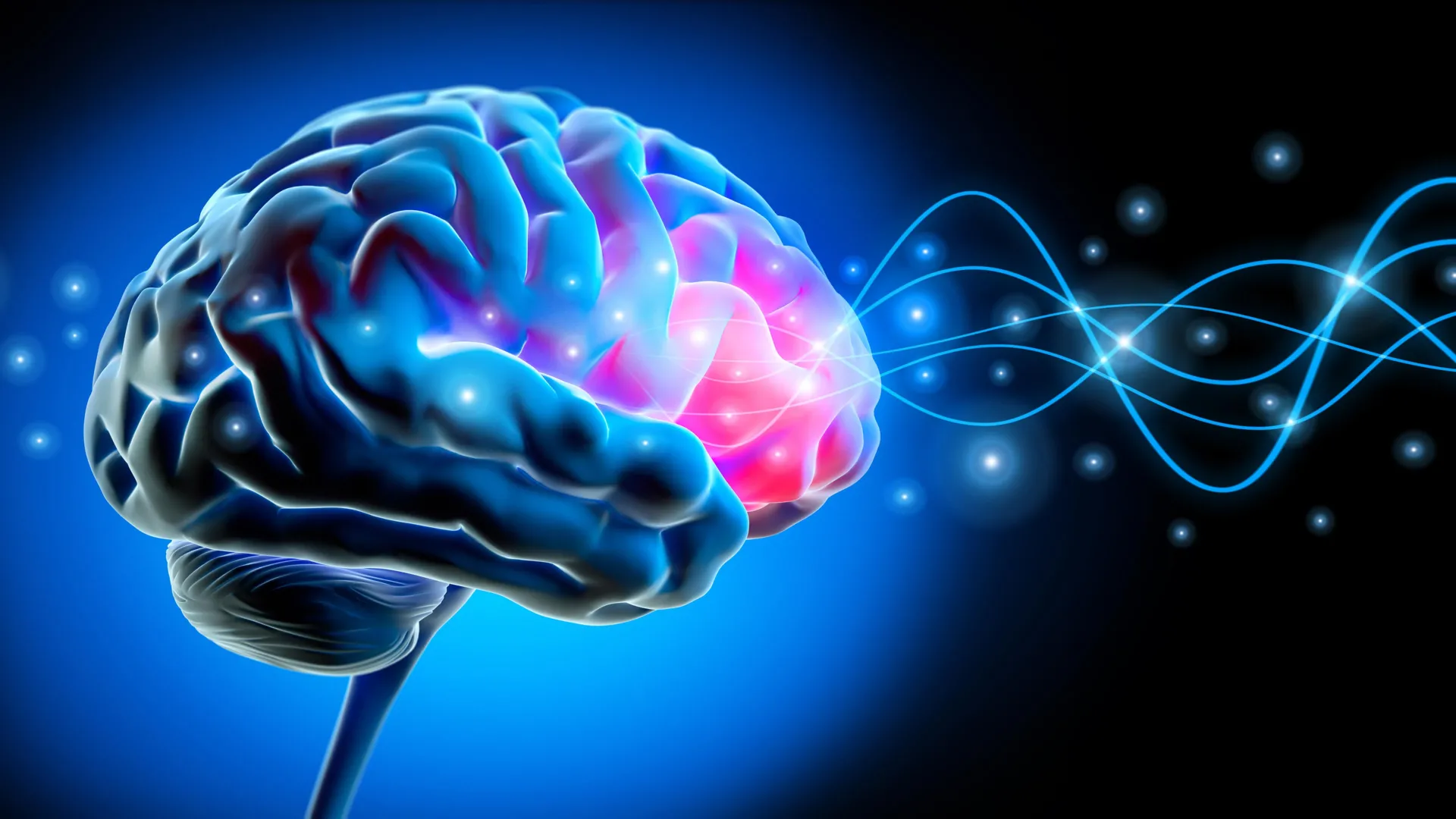
The research, spearheaded by Elaine Pinggal and her dedicated team at Monash University, delved into the intricate relationship between brief periods of "sleep-like" brainwave patterns and an individual’s capacity to maintain concentrated attention. Their primary objective was to ascertain whether the heightened occurrence of these neurological "glitches" contributes significantly to the attention-related difficulties observed, particularly in adults navigating the complexities of ADHD. By employing sophisticated electroencephalography (EEG) techniques, the researchers meticulously monitored the brain activity of participants while they undertook tasks requiring prolonged mental engagement.
The study involved a carefully curated cohort of 32 adults diagnosed with ADHD who had voluntarily discontinued their prescribed medication to ensure a baseline assessment free from pharmacological influence. This group was meticulously matched with a control group of 31 neurotypical adults, serving as a benchmark for typical brain function and attentional performance. Throughout the experimental period, all participants were tasked with completing a series of cognitive challenges specifically designed to tax their ability to sustain attention over extended durations, thereby creating an environment conducive to observing subtle shifts in brain activity.
The findings were remarkably consistent and statistically significant: individuals with ADHD exhibited a demonstrably higher frequency of these transient, sleep-like brain activity episodes when compared to their neurotypical counterparts. Crucially, these moments of neurological dormancy were directly correlated with an increased incidence of attentional lapses. In simpler terms, whenever the brains of those with ADHD dipped into these sleep-like states, their ability to maintain focus faltered, leading to noticeable breaks in concentration. This observable link provides a powerful neurobiological bridge, potentially explaining the well-documented association between ADHD and a spectrum of attention-related impairments. These impairments manifest in various forms, including a greater propensity for making errors during task completion, a deceleration in reaction times when responding to stimuli, and a pervasive subjective feeling of fatigue or sleepiness, even when outwardly awake and attempting to concentrate.
The phenomenon of brief neurological pauses, often described as "sleep-like" activity, is not an entirely alien concept even within neurotypical cognitive processes. Dr. Pinggal herself elaborated on this, emphasizing that such momentary shifts in brain function are a natural occurrence, particularly when the brain is subjected to sustained cognitive exertion. She drew an analogy to the physical fatigue experienced during prolonged physical activity, likening these brain events to brief pauses taken to "recharge." "Sleep-like brain activity is a normal phenomenon that happens during demanding tasks," she explained. "Think of going for a long run and getting tired after a while, which makes you pause to take a break. Everyone experiences these brief moments of sleep-like activity." However, the critical distinction lies in the frequency and impact. In individuals with ADHD, this underlying neural mechanism appears to be significantly amplified. "In people with ADHD, however, this activity occurs more frequently, and our research suggests this increased sleep-like activity may be a key brain mechanism that helps explain why these individuals have more difficulty maintaining consistent attention and performance during tasks." This suggests that what might be a fleeting, almost imperceptible pause for a neurotypical brain becomes a more substantial impediment for an ADHD brain.
This newfound understanding of the role of sleep-related brain activity in ADHD opens promising avenues for the development of novel therapeutic interventions. Prior research, conducted on neurotypical individuals, has already established a fascinating connection between auditory stimulation during sleep and the enhancement of slow-wave brain activity. This technique, when applied during sleep, has demonstrated the potential to mitigate the occurrence of sleep-like brain activity during subsequent wakeful periods. Dr. Pinggal highlighted this as a pivotal point for future research. "According to Pinggal, a possible next step is to test whether this same method could reduce daytime sleep like brain activity in people with ADHD," she stated. The implication is profound: if targeted auditory stimulation during sleep can indeed reduce these disruptive wakeful brain states in individuals with ADHD, it could herald a paradigm shift in how attention disorders are managed, potentially leading to more effective strategies for improving focus and optimizing task performance without solely relying on traditional stimulant medications.
To provide essential context, Attention-Deficit/Hyperactivity Disorder (ADHD) is recognized as a prevalent neurodevelopmental condition that impacts individuals across the lifespan, from childhood through adulthood. Its defining characteristics include enduring patterns of inattention, marked hyperactivity, and pronounced impulsivity. These core symptoms possess the capacity to significantly disrupt various facets of daily life, including academic pursuits, professional responsibilities, and interpersonal relationships. Individuals with ADHD often grapple with challenges related to maintaining focus on tasks, diligently following through on instructions, effectively organizing their activities, and exerting self-control over their impulses.
The underlying etiology of ADHD is intricately linked to discernible differences in brain structure, function, and developmental trajectories. Specifically, these variations are often observed in brain regions responsible for critical executive functions, such as attention regulation, impulse control, and cognitive flexibility. The manifestation of ADHD symptoms can be highly heterogeneous, with some individuals predominantly experiencing challenges with inattentiveness, while others may present with more overt hyperactive or impulsive behaviors, or a combination thereof. This complexity underscores the need for multifaceted approaches to understanding and treating the disorder, and the current research on sleep-like brain activity offers a vital new piece to this intricate puzzle. The potential to modulate these specific brainwave patterns could offer a more targeted and perhaps less side-effect-prone therapeutic strategy, complementing existing treatment modalities and offering renewed hope for individuals seeking to enhance their attentional capacities and overall functional well-being.
About the Author












