Food acts as a potent conduit to the past, capable of evoking vivid memories and emotions tied to specific periods of life. For Americans aged 55 and above, a particular pantheon of dishes transcends mere sustenance, serving instead as edible time capsules that transport them back to the perceived simplicity and warmth of their formative years. These culinary staples, often characterized by their straightforward preparation, hearty ingredients, and comforting profiles, reflect the societal norms and domestic practices prevalent in the 1960s and 1970s, an era when family meals were often a cornerstone of daily life. The appeal of these dishes lies not just in their taste, but in the profound sense of nostalgia they inspire, representing a period of less complexity and more communal dining experiences.
The connection between specific foods and nostalgic sentiment is a well-documented psychological phenomenon. Taste and smell are intimately linked with the brain’s limbic system, which governs emotion and memory. Consequently, a single bite of a familiar dish can unlock a flood of reminiscences, from the ambiance of a childhood kitchen to the faces of loved ones gathered around a dinner table. For the demographic born between the mid-1940s and late 1960s, these meals were more than just fuel; they were central to family rituals, budget-conscious household management, and the emerging American culinary identity of the post-war boom. The dishes that resonate most deeply are typically those prepared at home, embodying the care and effort of parents or grandparents, and serving as anchors in a rapidly changing world.
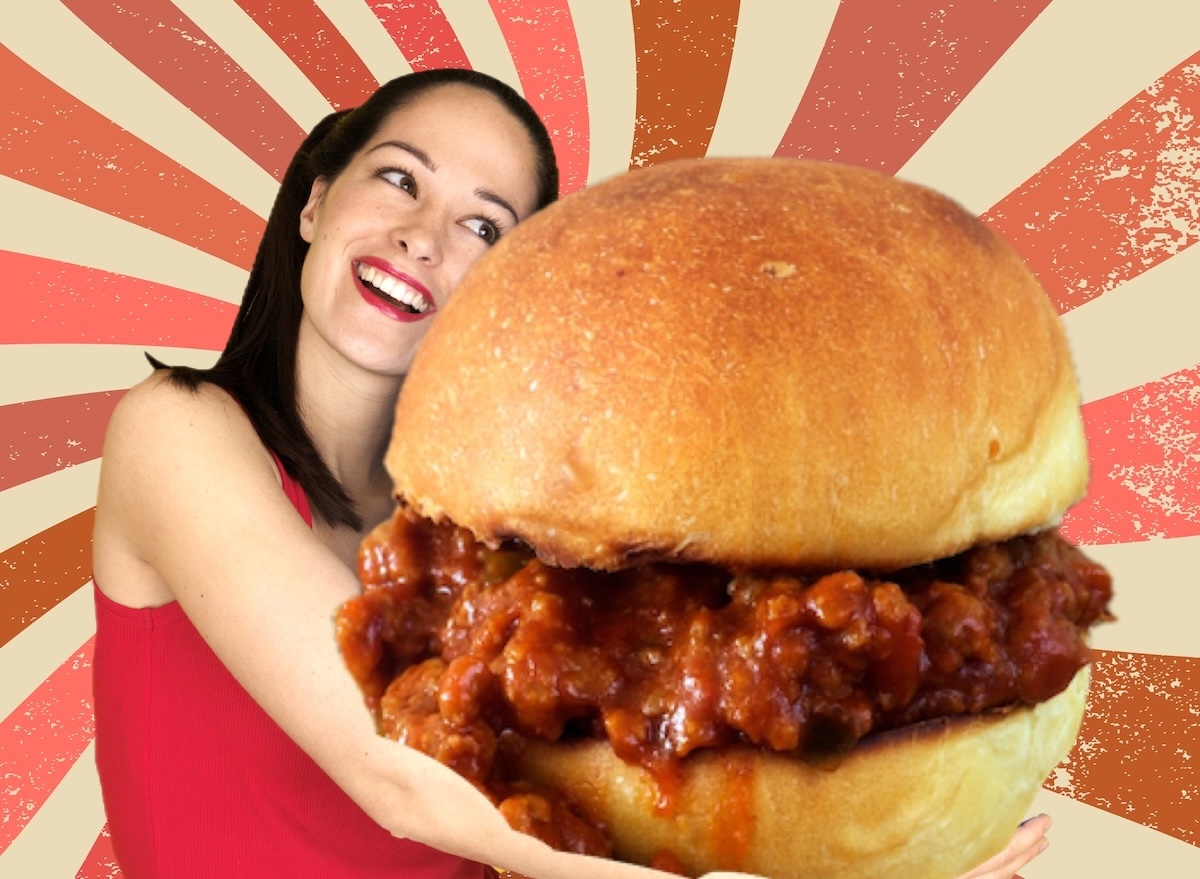
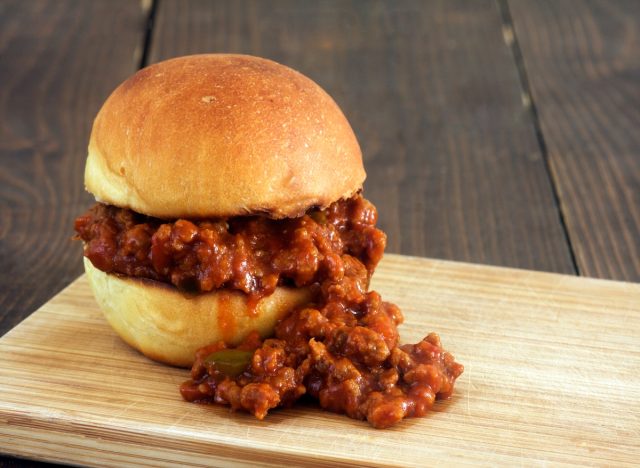
Among the dishes frequently cited for their evocative power, the Sloppy Joe holds a prominent position. This unpretentious sandwich, featuring seasoned ground beef simmered in a tangy tomato-based sauce, typically served on a hamburger bun, embodies a distinctly American casualness. Its origins are somewhat debated, with legends pointing to a cook named Joe in Sioux City, Iowa, who added tomato sauce to his "loose meat" sandwiches in the 1930s. Regardless of its precise genesis, the Sloppy Joe gained widespread popularity in American households and school cafeterias throughout the mid-20th century, particularly from the 1950s onwards. Its appeal stemmed from its affordability, ease of preparation, and the universal delight it brought to children, who often reveled in its messy, hands-on consumption. For many over 55, the act of eating a Sloppy Joe immediately conjures images of bustling weeknight dinners, backyard barbecues, or school lunch breaks, symbolizing a time when meals were less about gourmet aspirations and more about satisfying hunger with robust, straightforward flavors. Online culinary communities frequently echo these sentiments, with individuals reminiscing about their first encounters with the dish or sharing creative variations, such as serving the savory meat mixture over baked Yukon Gold potatoes, playfully dubbed "Slippy Poes," a testament to its enduring, adaptable charm. The enduring cultural footprint of the Sloppy Joe speaks to its role as a culinary symbol of an era.
Another powerful contender in the realm of nostalgic dining is the Tater Tot Casserole. This hearty, layered dish, particularly prevalent in the American Midwest, is often referred to as a "hotdish." Its components typically include a base of ground meat (often beef), a creamy condensed soup (such as cream of mushroom), vegetables like green beans or corn, and a crowning layer of crispy tater tots. The tater tot itself, a processed potato product invented by Ore-Ida in 1953, quickly became a freezer staple in American homes, especially as convenience foods gained traction in the post-war era. The casserole format provided a practical solution for busy homemakers seeking to feed families efficiently and economically. Its communal nature, cooked in a single pan and served family-style, cemented its place in domestic traditions. For many individuals over 55, the tater tot casserole represents the epitome of comfort food from their youth. It speaks to a time when ingenuity in the kitchen often involved combining readily available, affordable ingredients to create satisfying meals. The repeated mention of this particular casserole in various discussions about classic childhood dinners underscores its deep resonance, even if the explanations for its popularity are often succinct and driven purely by affection. Its status as a beloved, unpretentious meal highlights a broader appreciation for practical, nourishing cuisine from a bygone era.
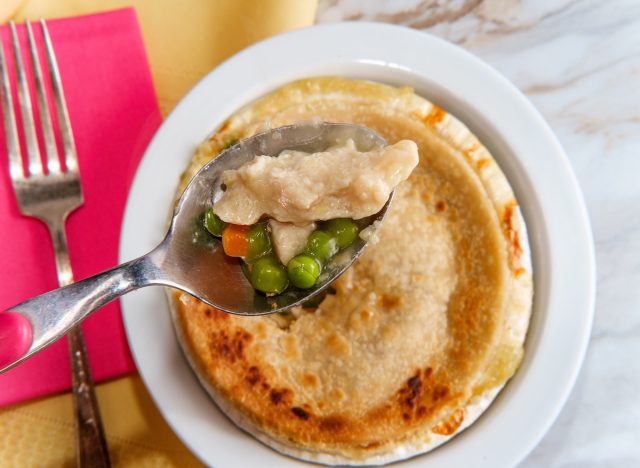
The classic Chicken Pot Pie also holds a special place in the hearts of many who recall their childhoods in the latter half of the 20th century. This savory pie, with its rich, creamy filling of chicken and mixed vegetables encased in a flaky pastry crust, offers warmth and profound comfort. While pot pies have historical roots stretching back to ancient Rome and medieval Europe, their evolution in America saw them become a quintessential comfort food, particularly appealing during colder months. The post-World War II era saw the rise of frozen food technology, making commercially produced chicken pot pies widely accessible and further embedding them into American diets. However, it is the homemade version, with its aromatic blend of herbs, tender chicken, and perfectly browned crust, that truly ignites a sense of longing for many older adults. The preparation of a homemade chicken pot pie, filling the kitchen with its inviting fragrance, often signals a special occasion or a deliberate act of care. Its robust flavors and wholesome ingredients symbolize a nourishing meal prepared with love, reminding individuals of cozy family gatherings and the simple pleasures of a home-cooked dinner. The frequent appearance of "chicken pot pie" in nostalgic food conversations confirms its enduring status as a cherished culinary memory.

Pot Roast stands as another pillar of American comfort food, deeply intertwined with the memories of Sunday dinners and holiday feasts for the over-55 demographic. This method of cooking, which involves slowly braising a large cut of beef (such as chuck roast) with root vegetables like carrots, potatoes, and onions in a flavorful liquid until incredibly tender, speaks to a tradition of slow, deliberate cooking. Historically, tougher and less expensive cuts of meat were transformed into succulent meals through long cooking times, making pot roast an economical yet satisfying option for families. It became a staple in American homes, particularly in the mid-20th century, symbolizing abundance and familial togetherness. The aroma of a pot roast simmering for hours on a Sunday afternoon is a powerful sensory trigger, instantly transporting many back to their grandmothers’ or mothers’ kitchens. The dish represents a foundational approach to meal preparation that emphasized maximizing flavor and minimizing waste, often producing enough leftovers for subsequent meals or sandwiches. The simple declaration of "pot roast, potatoes and carrots" by online commentators reflects the dish’s fundamental role in defining comforting, hearty American cuisine, especially during celebratory occasions or as a cherished weekly ritual.
Finally, Roast Turkey Dinners extend their nostalgic reach far beyond the confines of Thanksgiving for many Americans over 55. While undeniably the centerpiece of the annual harvest holiday, roast turkey, often served with classic accompaniments like mashed potatoes, gravy, stuffing, and cranberry sauce, was a versatile and celebrated meal throughout the year in many households. The preparation of a whole roasted turkey, though time-consuming, was a labor of love that signified family gatherings, special occasions, or simply a desire for a substantial, satisfying meal. The practice of preparing turkey dinners outside of the holiday season highlights a broader "meat and potatoes" culinary culture that prioritized hearty protein and starchy sides. For those who grew up in the mid-20th century, a sliced turkey dinner might have been a weekly occurrence or a regular feature on Sunday tables, rather than an annual event. The experience of enjoying tender slices of turkey alongside creamy mashed potatoes and tangy cranberry sauce evokes a sense of tradition, familial connection, and a time when such elaborate meals were a more frequent expression of hospitality and care. The enduring popularity of turkey sandwiches made from leftovers further underscores the versatility and cherished nature of this particular protein in their collective memory.
These five classic American dinners—Sloppy Joes, Tater Tot Casserole, Chicken Pot Pie, Pot Roast, and Roast Turkey Dinners—collectively form a culinary tapestry that defines the childhood and young adult experiences of millions of Americans now over the age of 55. They are more than just recipes; they are cultural touchstones, embodying the domestic ingenuity, economic realities, and social customs of a specific era. Their enduring appeal lies in their capacity to not only satisfy hunger but also to nourish the soul, offering a comforting return to simpler times and cherished family memories through the powerful medium of taste and shared meals. As society continues to evolve, the profound nostalgic connection to these dishes ensures their legacy will persist, passed down through generations as symbols of warmth, tradition, and the indelible flavors of home.
About the Author