
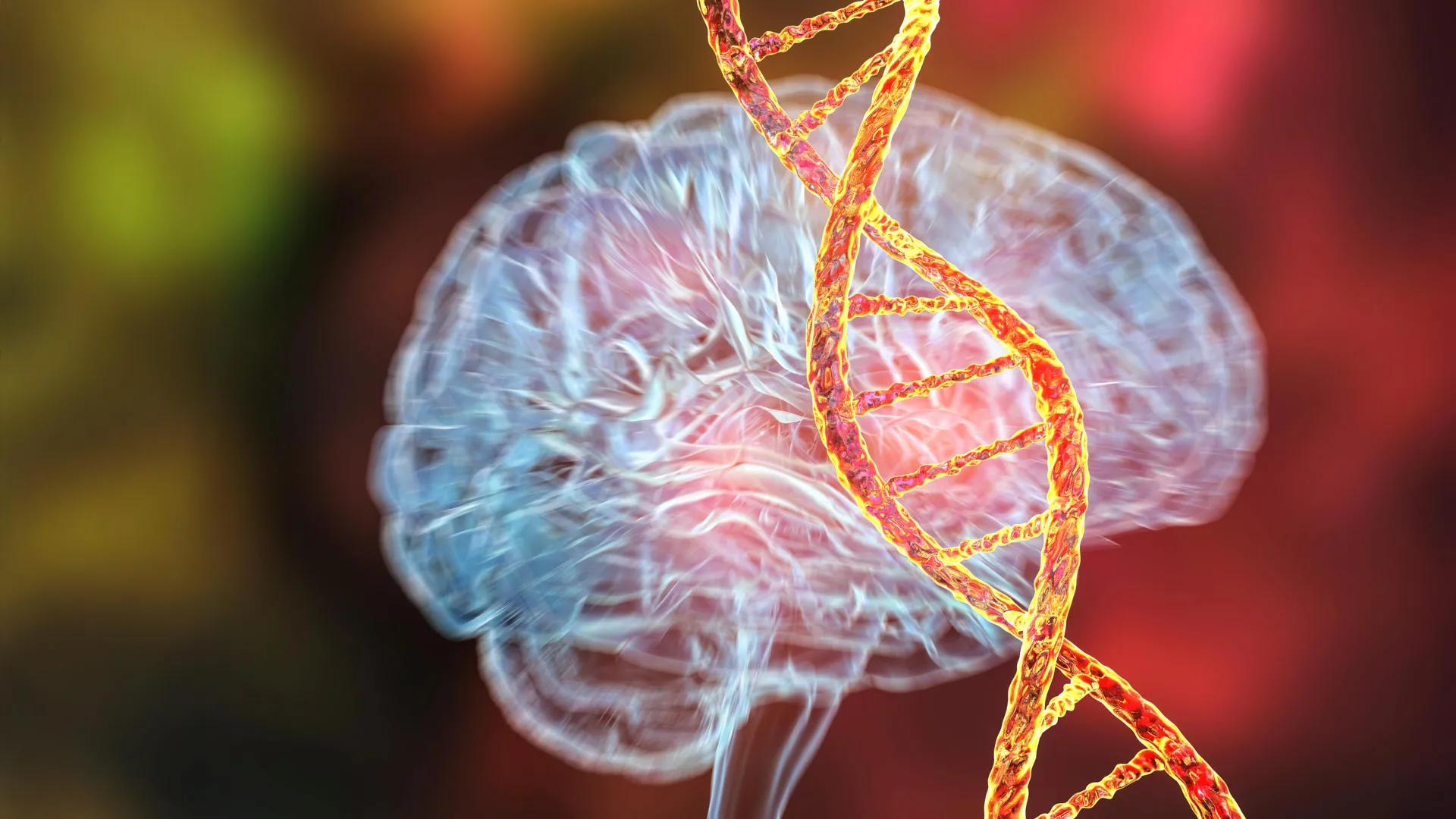
Globally, the pervasive impact of mental health conditions remains a significant public health concern, with estimates from the World Health Organization indicating that approximately one in seven individuals experienced such a disorder in 2021. Anxiety and depression stand out as the most prevalent manifestations of these conditions. Historically, the development of mental illnesses has been understood as a complex interplay of various environmental and genetic factors, with a strong genetic predisposition frequently observed, particularly when a close relative has been affected. For decades, the prevailing scientific consensus posited that psychiatric disorders arose from the cumulative influence of numerous genes, each contributing a small effect. This paradigm, however, has been fundamentally challenged by a recent scientific breakthrough.
A pivotal study has identified the gene GRIN2A as the first to be conclusively linked to the direct causation of a mental illness, distinguishing it from the previously assumed polygenic models. Professor Johannes Lemke, the lead author of this groundbreaking research and the Director of the Institute of Human Genetics at the University of Leipzig Medical Center, articulated this paradigm shift, stating that their findings provide compelling evidence for GRIN2A acting as a singular causative agent for psychiatric disorders, a departure from the multifactorial genetic explanations that have dominated the field.
This comprehensive investigation meticulously analyzed data from 121 individuals identified as carrying a specific genetic alteration within the GRIN2A gene. The research team successfully demonstrated a significant association between particular variations of this gene and the onset of not only schizophrenia but also a broader spectrum of mental health conditions. A particularly striking observation from the study was the early manifestation of these psychiatric disorders, frequently appearing during childhood or adolescence, which contrasts sharply with the more typical onset observed in adulthood for many mental illnesses. Furthermore, the researchers noted an unexpected clinical presentation in some participants, who exhibited solely psychiatric symptoms, even though mutations in GRIN2A have more commonly been associated with neurological conditions such as epilepsy or intellectual disabilities. This suggests a more nuanced and potentially broader role for the gene in brain development and function than previously understood.
The GRIN2A gene plays a crucial role in modulating neuronal activity by influencing the electrical signaling pathways within nerve cells. Within the context of this study, specific identified gene variants were found to diminish the functionality of the NMDA receptor, a vital protein complex essential for synaptic transmission and communication between neurons in the brain. Collaborating closely with Dr. Steffen Syrbe, a Professor at the Heidelberg Medical Faculty and a pediatric neurologist at Heidelberg University Hospital, the research group provided evidence that this reduction in NMDA receptor activity has significant clinical implications. In an initial therapeutic intervention, a subset of patients experienced notable amelioration of their psychiatric symptoms following the administration of L-serine, a readily available dietary supplement known to enhance NMDA receptor function. This finding opens a promising avenue for targeted therapeutic interventions.
The collaborative efforts between Professor Johannes Lemke and Professor Steffen Syrbe, spanning nearly fifteen years, have been instrumental in advancing the understanding of disorders affecting the brain’s glutamate receptor system, particularly in pediatric populations with neurological challenges. Their long-standing partnership, encompassing both clinical practice and dedicated research, has fostered a deep understanding of these complex conditions. A significant contribution from Professor Lemke’s work has been the establishment of an international patient registry, which now houses the most extensive collection of individuals diagnosed with GRIN2A-related conditions globally. This meticulously curated registry served as the foundational dataset for the findings detailed in this landmark publication, underscoring the importance of long-term, collaborative research in unraveling complex genetic disorders. The implications of this discovery are far-reaching, potentially revolutionizing diagnostic approaches and paving the way for novel, gene-specific treatments for a range of mental health conditions. This research marks a significant leap forward in deciphering the intricate genetic underpinnings of mental illness, moving beyond general risk factors to identify a specific molecular driver.
About the Author












