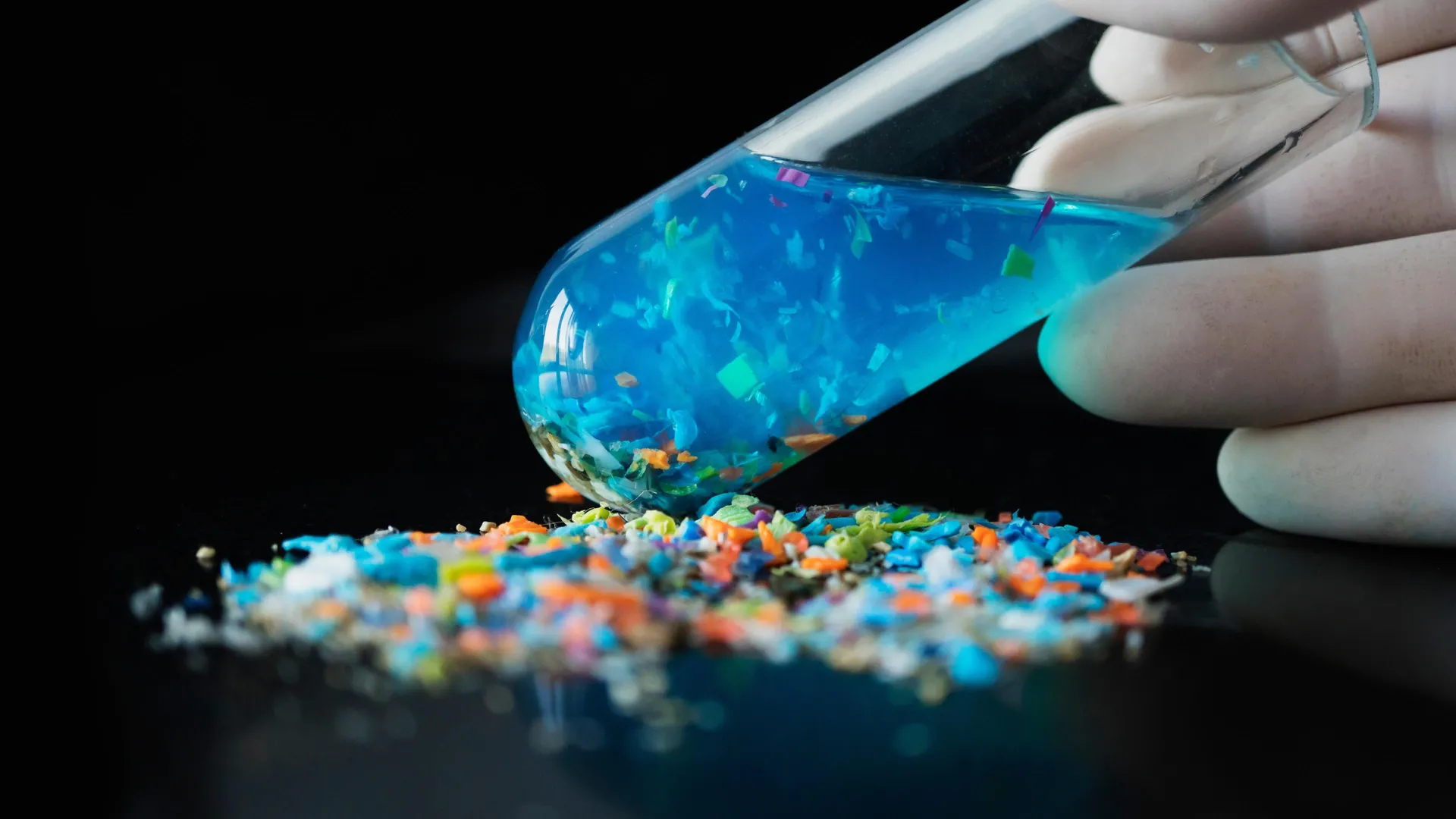
A groundbreaking scientific investigation has profoundly reshaped our understanding of plastic pollution, moving beyond the visible fragments to illuminate a pervasive, invisible chemical threat. Researchers have meticulously documented that microplastic particles, ubiquitous across the globe’s rivers, lakes, and oceans, continuously discharge a sophisticated mixture of dissolved organic compounds into the surrounding water. This chemical leaching is not a static process; its intensity dramatically escalates when these tiny plastic fragments are exposed to sunlight, hinting at a dynamic and evolving pollutant landscape. The recently published findings offer the most comprehensive molecular-level characterization to date of how microplastic-derived dissolved organic matter, or MPs DOM, forms and transforms within natural aquatic ecosystems. This work fundamentally alters the perception of microplastics, revealing them not merely as physical contaminants, but as active chemical sources that perpetually alter their environment.
The research, detailed in the scientific journal New Contaminants, employed an array of advanced analytical techniques to unravel the intricate chemistry of this phenomenon. Scientists specifically focused on four prevalent types of plastic polymers: polyethylene (PE), polyethylene terephthalate (PET), polylactic acid (PLA), and polybutylene adipate co-terephthalate (PBAT). These selections represent both widely used conventional plastics and emerging biodegradable alternatives, allowing for a comparative analysis of their chemical behaviors. A critical component of the study involved contrasting the chemical signatures released by these plastics with naturally occurring dissolved organic matter found in riverine environments, thereby establishing a baseline for understanding the novelty and potential impact of MPs DOM.
To achieve this unprecedented level of detail, the research team integrated several sophisticated methodologies. Kinetic modeling was utilized to understand the rates and mechanisms of chemical release. Fluorescence spectroscopy provided insights into the molecular structure and origins of the dissolved organic matter, distinguishing between different types of organic compounds. High-resolution mass spectrometry offered unparalleled precision in identifying the specific molecular compounds being leached, down to their exact chemical formulas. Finally, infrared analysis provided complementary information on the functional groups present in the released chemicals. This multi-pronged approach enabled the researchers to demonstrate unequivocally that each distinct plastic polymer releases its own unique cocktail of chemicals, a signature that further evolves as sunlight progressively degrades the plastic surfaces. This dynamic chemical fingerprint challenges previous, simpler models of plastic degradation.
The lead author of the study, Jiunian Guan from Northeast Normal University, emphasized the far-reaching implications of these discoveries. "Microplastics do not simply act as physical pollutants in aquatic environments," Guan stated. "Our investigations reveal they also generate an unseen chemical plume, a dynamic entity that shifts its composition as the plastics undergo weathering processes. Crucially, our findings underscore that solar radiation is the primary catalyst driving this complex chemical evolution. The molecular compounds liberated from plastics are distinctly different from the organic matter naturally produced in river systems and soils, suggesting a novel and potentially disruptive input into aquatic biogeochemistry."
One of the most striking revelations of the study was the profound accelerating effect of sunlight on the chemical release process. To meticulously quantify this impact, the researchers subjected samples of PE, PET, PLA, and PBAT microplastics to controlled aquatic conditions, both in complete darkness and under ultraviolet (UV) light exposure, over a period of up to 96 hours. The results were unequivocal: exposure to simulated solar radiation dramatically amplified the quantity of dissolved organic carbon liberated by every plastic type tested. This finding highlights the critical role of sunlight, not just in physically breaking down plastics, but in actively driving the chemical dissemination of their constituents.
Intriguingly, the study found that plastics marketed as "biodegradable," specifically PLA and PBAT, exhibited the most substantial increases in chemical release under UV exposure. This observation is attributed to their inherently less stable chemical structures, which render them more susceptible to photo-oxidative degradation and subsequent leaching of their components. This nuanced finding suggests that the environmental benefits of biodegradable plastics may be more complex than previously assumed, as their designed degradability could paradoxically lead to a more rapid release of dissolved chemical byproducts into water bodies.
Kinetic modeling further elucidated the mechanics of this chemical efflux, revealing that the release process followed zero-order kinetics. In practical terms, this signifies that the rate at which chemicals leach from the microplastics is primarily governed by physical and chemical constraints at the plastic’s surface, rather than by the concentration of dissolved substances already present in the water. Under the influence of ultraviolet light, the research pinpointed "film diffusion" as the principal factor limiting the rate of release. This implies that the transport of dissolved molecules away from the plastic surface, through the boundary layer of water, plays a crucial role in controlling the overall speed of the leaching process. Understanding these rate-limiting steps is vital for accurately predicting the long-term chemical burden imposed by microplastics.
The detailed chemical analyses conducted using high-resolution mass spectrometry painted a vivid picture of the sheer molecular complexity of MPs DOM. These dissolved mixtures were found to contain a broad spectrum of molecules, originating from various components of the plastic materials. This included residual plastic additives, such as phthalates, which are known for their relatively weak chemical attachment within the polymer matrix, making them prone to leaching. The analyses also identified monomers (the basic building blocks of plastics), oligomers (short chains of monomers), and an array of novel fragments formed through photo-oxidized reactions – entirely new chemical entities created as the plastic degrades under light. Plastics possessing aromatic structures, such as PET and PBAT, were observed to generate particularly intricate chemical mixtures, reflecting the complex degradation pathways of these more structurally diverse polymers.
As the plastic particles continued to undergo weathering and degradation, the researchers noted a discernible increase in the presence of oxygen-containing functional groups within the MPs DOM. This chemical shift signaled the formation of new classes of organic compounds, including alcohols, carboxylates, ethers, and carbonyls. These functional groups are highly reactive and can significantly influence the chemical properties and biological activity of the dissolved organic matter, potentially altering its interactions with other pollutants and biological systems.
Fluorescence measurements offered another compelling insight into the distinct nature of MPs DOM. The spectral characteristics of the dissolved organic matter released by microplastics bore a striking resemblance to organic material typically produced by microbial activity. This pattern stands in stark contrast to the fluorescence signatures of natural dissolved organic matter found in rivers, which predominantly originates from terrestrial plants and soils. This finding suggests that MPs DOM introduces a chemically distinct form of organic matter into aquatic environments, one that might be preferentially utilized by or have specific impacts on microbial communities. Over time, the relative proportions of protein-like, lignin-like, and tannin-like substances within the MPs DOM were observed to shift, a dynamic evolution dependent on both the specific type of plastic and the intensity and duration of sunlight exposure.
The ever-changing chemical mixtures released by microplastics pose multifaceted and growing environmental risks to aquatic ecosystems. MPs DOM is largely composed of small, readily accessible molecules that can significantly influence fundamental ecological processes. These compounds have the potential to either stimulate or suppress the growth of microbial populations, thereby altering critical biogeochemical cycles, such as those involving carbon, nitrogen, and phosphorus. Furthermore, MPs DOM can interact with a range of other pollutants, including heavy metals and persistent organic pollutants, potentially altering their bioavailability, toxicity, and transport within the aquatic environment. Previous scientific investigations have already demonstrated that MPs DOM can catalyze the production of harmful reactive oxygen species, influence the formation of disinfection byproducts in water treatment processes, and modify how other pollutants adsorb to particulate matter in water columns.
Co-author Shiting Liu underscored the urgent need for a holistic perspective on plastic contamination. "Our findings critically emphasize the necessity of considering the entire life cycle of microplastics in aquatic environments, which must now explicitly include the invisible dissolved chemicals they release," Liu stated. "Given the unrelenting increase in global plastic production, these perpetually released dissolved compounds are poised to assume an ever-greater environmental significance, demanding focused attention from researchers, policymakers, and the public alike."
Looking ahead, the inherent chemical complexity and dynamic nature of MPs DOM present a significant challenge for environmental prediction and risk assessment. The researchers propose that advanced machine learning tools could be instrumental in forecasting how these substances behave and evolve within diverse natural waters. Such predictive models would represent a crucial step forward, offering improved accuracy in assessing the risks associated with ecosystem health, the transport dynamics of various pollutants, and the broader implications for global carbon cycling.
The authors also highlighted a critical regulatory gap: the ongoing, largely unrestricted flow of microplastics into rivers and oceans worldwide. As these plastic materials continue their relentless fragmentation and degradation under the relentless force of sunlight, the cumulative release of MPs DOM is projected to increase substantially. Consequently, developing a comprehensive understanding of how these diverse chemicals evolve across the various stages of plastic breakdown – from initial fragmentation to advanced degradation – will be absolutely essential for accurately evaluating their long-term, pervasive environmental impact and for formulating effective mitigation strategies. This study serves as a stark reminder that the full ecological footprint of plastic pollution is far more intricate and insidious than previously imagined.
About the Author