
For many individuals who have experienced several decades of culinary evolution, a common sentiment arises: the foods of yesteryear often possessed a superior taste profile compared to their contemporary counterparts. This widespread perception among consumers aged 55 and above transcends mere sentimentality, often pointing to tangible shifts in agricultural practices, food processing methodologies, and ingredient sourcing that have fundamentally altered the sensory experience of familiar items. While personal memory and the psychological phenomenon of nostalgia undoubtedly play a role in shaping these perceptions, a closer examination reveals that numerous factors within the modern food system contribute to these noticeable differences. The journey from farm to table has undergone a radical transformation over the past half-century, driven by demands for efficiency, extended shelf life, cost reduction, and evolving health guidelines, all of which can inadvertently impact flavor. Understanding this generational gustatory shift requires delving into both the science of taste and the economics of large-scale food production.
The human palate is a complex instrument, and its perception of flavor is influenced by a multitude of factors beyond the chemical composition of food. Age, for instance, can lead to a natural decline in taste bud sensitivity and olfactory function, meaning that foods might genuinely taste less intense to an older individual. However, the consistent anecdotal evidence across a broad demographic suggests that more fundamental changes are at play. The post-World War II era ushered in an era of industrialized agriculture and food processing designed to feed a growing population and provide convenience. This period saw the widespread adoption of monoculture farming, extensive use of pesticides and fertilizers, and selective breeding programs prioritizing yield, uniformity, and resistance to disease over inherent flavor characteristics. Similarly, food manufacturing shifted towards mass production, incorporating new preservation techniques and alternative ingredients to reduce costs and extend product viability on supermarket shelves. These systemic changes, while achieving efficiency and accessibility, have frequently come at the expense of the nuanced flavors that defined foods in earlier generations.
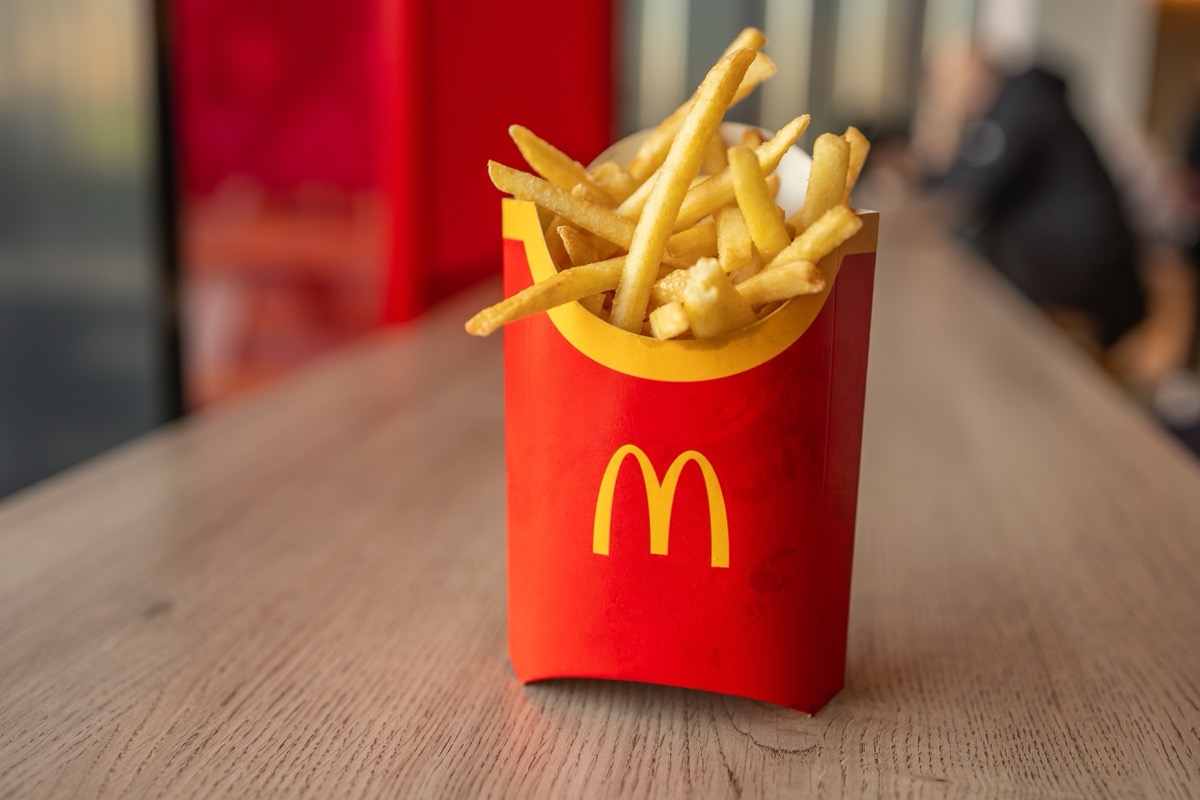
Among the fast-food offerings that frequently draw comments regarding a decline in taste, the golden-brown potato sticks served by the global burger chain McDonald’s stand out. Many long-time patrons express a conviction that these iconic fries, once celebrated for their distinct and irresistible savor, have lost some of their original appeal. The core reason for this perceived change dates back to 1990 when the company transitioned from cooking its fries primarily in beef tallow to a blend of vegetable oils. This strategic shift was largely a response to public health concerns and mounting pressure from advocacy groups regarding the saturated fat content associated with animal fats. While the move was lauded by some health organizations at the time, it irrevocably altered the flavor profile that had defined the product for decades. The rich, savory notes imparted by the beef fat were replaced by a lighter, albeit still popular, taste from the vegetable oil blend. Despite subsequent attempts by the company to enhance the flavor with natural beef flavoring added to the vegetable oil, many consumers who remember the earlier rendition maintain that the original depth and complexity of taste have never been fully recovered. This case exemplifies how broad societal trends and corporate decisions, even those made with good intentions, can fundamentally reshape the sensory experience of a beloved food item.

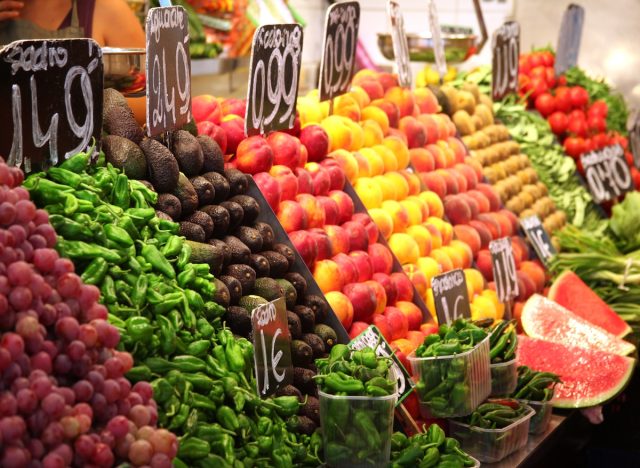
Beyond processed foods, the simple pleasure of fresh produce is another area where generational taste memories diverge significantly from current realities. Numerous individuals recount a time when fruits and vegetables possessed a more vibrant, intense flavor, attributing the current state to modern agricultural practices. In past decades, much produce was locally sourced, harvested at peak ripeness, and consumed shortly thereafter. This minimized the need for varieties engineered for endurance rather than taste. Today, the globalized food supply chain necessitates that many fruits and vegetables be bred for traits like increased firmness, uniform appearance, and an extended shelf life to withstand long-distance transportation and storage. Heirloom varieties, often lauded for their superior taste, frequently lack these commercially desirable attributes. Furthermore, soil depletion from intensive farming practices can impact the nutrient density and, consequently, the flavor compounds in crops. The widespread decline in home gardening, a once-common practice that provided direct access to truly fresh and ripe produce, has also meant fewer people experience vegetables and fruits at their flavorful best. The modern emphasis on cosmetic perfection and logistical efficiency has, for many, overshadowed the intrinsic deliciousness that was once a hallmark of garden-fresh items.
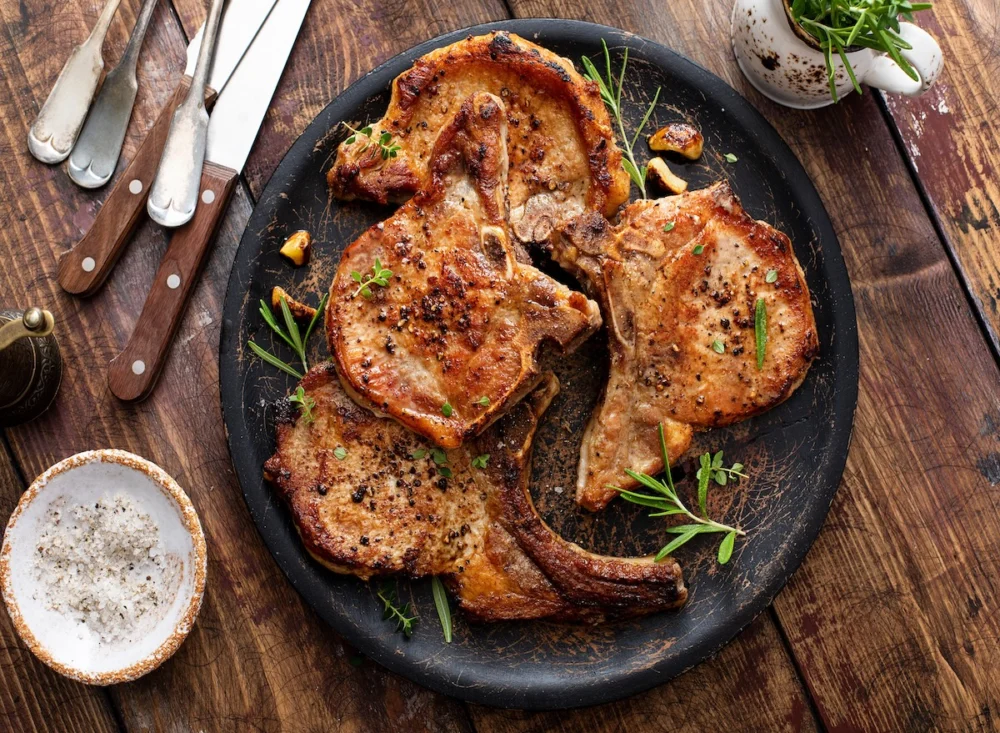
The culinary landscape of meat has also undergone substantial changes, with pork chops frequently cited as an example of diminished flavor. For many, the pork chops of their youth were a staple, renowned for their succulence and robust taste, often attributed to a higher fat content. Historically, pigs were bred for a more balanced fat-to-lean meat ratio. However, beginning in the late 20th century, a concerted effort by the pork industry, partly driven by health trends and consumer demand for leaner options, led to selective breeding programs aimed at producing leaner cuts. The "Pork. The Other White Meat." campaign further solidified this image of pork as a low-fat alternative. While this shift certainly reduced the fat content, it also stripped away much of the intramuscular fat, or marbling, which is crucial for flavor and moisture retention during cooking. The result, according to many seasoned palates, is a product that, while healthier in terms of fat, often lacks the depth of flavor and tender juiciness that once characterized pork chops. Modern cooking techniques, often geared towards preventing dryness in leaner cuts, further highlight the difference from a time when the inherent fat content made for a more forgiving and flavorful meal.
Dairy products, particularly milk, also feature prominently in discussions about declining food quality among older generations. Many recall a time when milk, cream, and butter tasted richer and more wholesome. This perception often links back to less processed dairy options and different farming methods. In earlier eras, access to raw, unpasteurized milk was more common, often directly from local dairies. Raw milk, with its full complement of enzymes and microbes, has a distinct flavor profile that pasteurization, a process designed to eliminate harmful bacteria through heat treatment, alters. While pasteurization is a critical public health measure, it can also affect the delicate balance of flavor compounds. Furthermore, homogenization, a process that breaks down fat globules to prevent cream from separating, changes the texture and, some argue, the mouthfeel and taste of milk. The industrialization of dairy farming, including changes in animal feed (e.g., more grain-fed versus grass-fed cows) and living conditions, can also influence the fat composition and, consequently, the flavor of dairy products. While some specialty markets still offer less processed or pasture-raised dairy, the widespread availability of these options and their characteristic flavors has diminished significantly in mainstream retail.
Even highly processed snack foods, often seen as inherently artificial, are not immune to these generational taste perceptions. Products from brands like Hostess, including iconic items such as Twinkies and Ding Dongs, are recalled by many as having a superior taste in decades past. This perceived degradation in flavor can be attributed to several factors, including ingredient reformulations driven by cost pressures, supply chain changes, and evolving dietary guidelines or consumer preferences. Manufacturers often swap out more expensive or traditionally used ingredients, such as certain fats or sugars, for cheaper alternatives like high-fructose corn syrup or various types of vegetable oils. The increasing reliance on artificial flavors, colors, and a wider array of preservatives, while extending shelf life, can also contribute to a less "natural" or appealing taste for those who remember earlier versions. The commenter’s observation about Krispy Kreme donuts and their resistance to mold suggests a pervasive shift towards formulations prioritizing extreme shelf stability over fresh, ephemeral quality, a trade-off that often comes at the expense of authentic flavor and texture.
The collective memory of these taste experiences highlights a broader conversation about the trajectory of our food system. While modern agriculture and food science have achieved remarkable feats in terms of efficiency, safety, and global distribution, these advancements have often entailed compromises in flavor and nutritional integrity. The longing for the "taste of the past" is not merely nostalgia; it reflects a genuine awareness of how food has changed. This generational perspective underscores a growing consumer demand for transparency, authenticity, and quality in food production, fueling the rise of local food movements, organic farming, and a renewed interest in traditional culinary practices. As consumers become more discerning, the food industry faces the challenge of balancing efficiency and innovation with the preservation and enhancement of the fundamental element that draws us to food in the first place: its taste.
About the Author










