A groundbreaking collaborative effort between scientists at Sweden’s Karolinska Institutet and Japan’s RIKEN Center for Brain Science has illuminated a previously unrecognized mechanism within the brain that governs the critical process of clearing amyloid-beta protein, a key pathological hallmark of Alzheimer’s disease. This discovery offers a compelling new avenue for the development of therapeutic interventions that could potentially be more accessible and carry a lower risk profile compared to current antibody-based treatments. Alzheimer’s disease, a devastating neurodegenerative condition that stands as the foremost cause of dementia worldwide, is characterized by the insidious accumulation of amyloid-beta peptides, which aggregate into sticky plaques within the neural tissue, disrupting normal brain function.
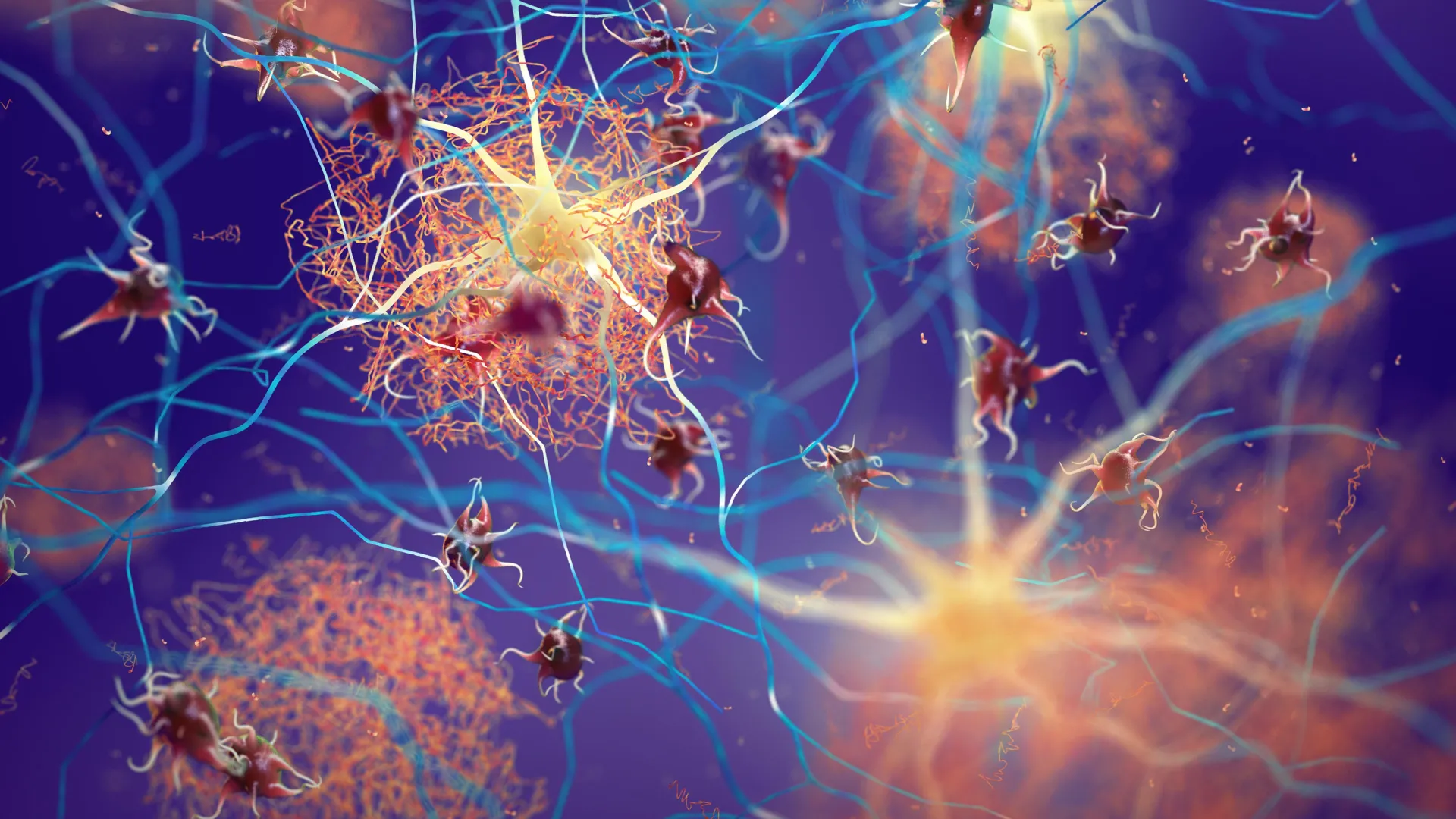
The intricate cascade of events leading to Alzheimer’s pathology involves a delicate balance between the production and clearance of amyloid-beta. Under typical physiological conditions, a crucial enzyme known as neprilysin plays a pivotal role in the enzymatic breakdown and removal of these accumulating peptides. However, research has consistently demonstrated that the efficacy of neprilysin diminishes with advancing age and further declines as the disease progresses, thereby exacerbating amyloid-beta buildup. The recent investigations by this international research consortium have pinpointed two specific somatostatin receptors, designated as SST1 and SST4, which operate in concert to orchestrate the regulatory control of neprilysin levels. Their specific focus was on the hippocampus, a brain region of paramount importance for learning and memory formation, where these receptors appear to exert significant influence. The comprehensive findings detailing this discovery have been formally published in the esteemed Journal of Alzheimer’s Disease.
To meticulously unravel the functional relationship between these somatostatin receptors and neprilysin activity, the research team embarked on a series of rigorous experiments. These studies involved the utilization of sophisticated genetically engineered mouse models designed to mimic aspects of Alzheimer’s disease pathology, alongside experiments conducted with cultured cells in laboratory settings. The results were strikingly consistent: when the expression or functionality of both the SST1 and SST4 receptors was experimentally inhibited or absent, a notable decrease in neprilysin levels was observed. This consequential reduction in neprilysin activity directly correlated with an increased accumulation of amyloid-beta peptides in the brain. Crucially, in the genetically modified mice lacking these receptors, this pathological cascade was accompanied by observable deficits in memory performance, underscoring the critical role of these receptors in maintaining cognitive function.
Building upon these foundational observations, the researchers then explored the therapeutic potential of activating these identified receptors. They synthesized and tested a novel compound specifically engineered to stimulate both SST1 and SST4. When administered to mice exhibiting Alzheimer’s-like brain changes, the targeted stimulation of these receptors led to a significant upregulation of neprilysin activity. This biochemical enhancement, in turn, resulted in a marked reduction in the burden of amyloid-beta plaques within the brain. Furthermore, the study reported encouraging behavioral improvements in these treated mice, suggesting a restoration of cognitive function. A particularly salient aspect of this experimental treatment was its apparent lack of severe adverse effects, a crucial consideration for any potential therapeutic agent.
"Our findings provide compelling evidence that the brain possesses intrinsic defense mechanisms against the accumulation of amyloid-beta, and these natural defenses can be effectively augmented through the targeted stimulation of the SST1 and SST4 receptors," stated Per Nilsson, an Associate Professor at the Department of Neurobiology, Care Sciences and Society at Karolinska Institutet, who was a key contributor to the research. This statement highlights the shift from simply removing amyloid to bolstering the brain’s own capacity to manage it.
The implications of this discovery are profound, particularly when considered in the context of existing Alzheimer’s disease therapies. Many of the most advanced treatments currently available for Alzheimer’s disease are based on monoclonal antibodies. While these sophisticated biological agents have demonstrated an ability to target and reduce amyloid deposits, they are associated with exceptionally high costs, rendering them financially inaccessible for a significant portion of the patient population. Moreover, these antibody treatments can precipitate a range of serious side effects in some individuals, necessitating careful monitoring and potentially limiting their widespread applicability.
Dr. Nilsson elaborated on the long-term vision for translating these findings into clinical practice: "Our ultimate aspiration is to engineer the development of small molecule drugs that possess the capability to effectively cross the blood-brain barrier. By achieving this, we anticipate the possibility of treating Alzheimer’s disease at a substantially reduced cost, while simultaneously minimizing the incidence of significant adverse reactions often associated with current treatment modalities." The development of orally administered medications, which small molecules often facilitate, represents a significant paradigm shift towards more patient-friendly and cost-effective treatments.
The SST1 and SST4 receptors belong to a vast and evolutionarily conserved superfamily of proteins known as G protein-coupled receptors (GPCRs). This class of receptors is highly sought after as therapeutic targets due to their extensive characterization and the well-established fact that they are amenable to modulation by a wide array of pharmaceutical compounds. Many drugs currently on the market are designed to interact with GPCRs, and these molecules can often be synthesized efficiently and administered in convenient oral formulations, such as pills. This inherent druggability of GPCRs makes them particularly attractive candidates for the development of new Alzheimer’s therapies.
The successful completion of this ambitious research project was the result of a synergistic collaboration among leading scientific institutions. Beyond the primary contributions from Karolinska Institutet in Sweden and the RIKEN Center for Brain Science in Japan, the project benefited from the expertise of researchers affiliated with several other esteemed international universities. The substantial financial backing necessary to support such complex and long-term investigations was provided by a consortium of reputable funding bodies. These included the Swedish Research Council, the Hållsten Research Foundation, the Alzheimer’s Foundation, and a significant private initiative dedicated to advancing innovative approaches to combating Alzheimer’s disease, known as "Innovative ways to fight Alzheimer’s disease — Leif Lundblad Family," alongside substantial support from RIKEN. The researchers involved have formally declared that they have no conflicts of interest to report in relation to this work, underscoring the integrity of their findings.
About the Author