India faces an escalating public health challenge with oral cancer, a disease that claims tens of thousands of lives annually and profoundly impacts survivors. A groundbreaking comparative study, recently published in the esteemed open-access journal BMJ Global Health, has cast a stark new light on this crisis, revealing a previously underestimated risk factor: even minimal daily alcohol consumption significantly elevates the probability of developing buccal mucosa cancer. This research posits that the consumption of as little as nine grams of alcohol per day, roughly equivalent to the ethanol content in one standard serving of an alcoholic beverage, is independently associated with a remarkable fifty percent surge in oral cancer risk. The findings are particularly concerning given the pronounced link observed among individuals who consume locally produced alcoholic drinks.
This extensive investigation underscores the dire synergistic effect when alcohol use converges with chewing tobacco, a widespread practice across India. Researchers estimate that this perilous combination is responsible for a staggering sixty-two percent of all buccal mucosa cancer diagnoses within the nation, highlighting a critical area for public health intervention. The study’s revelations necessitate a re-evaluation of current prevention strategies, pushing for comprehensive approaches that address both established and emerging risk factors with renewed urgency.
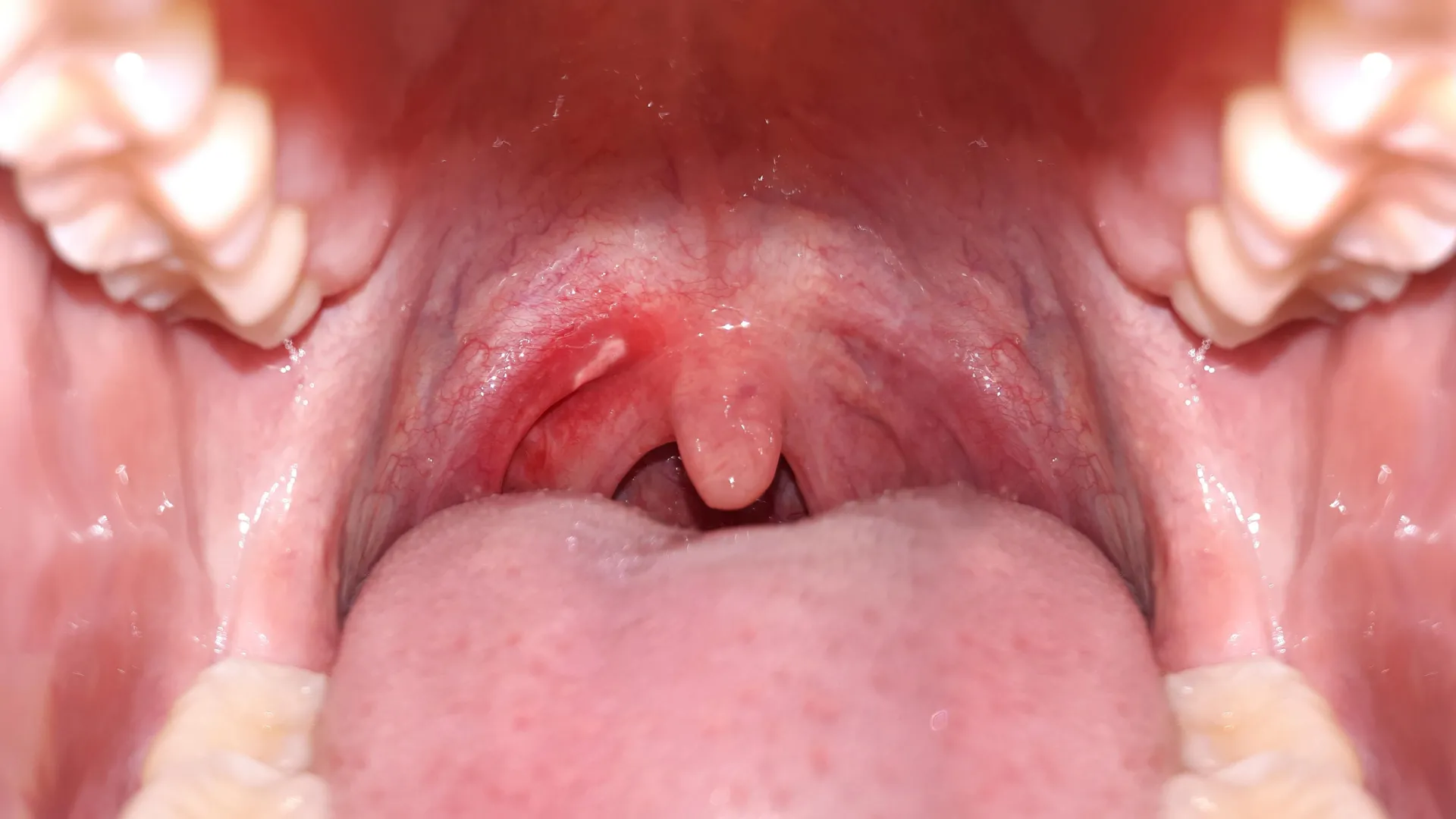
Oral cancer represents the second most prevalent cancer type in India, presenting a formidable burden on its healthcare system and population. Annually, the country records approximately 143,759 new cases and nearly 80,000 fatalities attributable to this malignancy. Alarmingly, incidence rates have exhibited a consistent upward trajectory, now standing just below fifteen cases per 100,000 Indian men. The most common manifestation of this disease specifically affects the soft, pink mucosal lining of the cheeks and lips—a condition medically termed buccal mucosa cancer. The prognosis for patients diagnosed with this particular form remains grim, with only forty-three percent surviving five years or more post-diagnosis, underscoring the critical need for early detection and effective prevention.
Understanding the complex interplay between various lifestyle factors and cancer development has long posed a challenge for epidemiologists. In the context of oral cancers in India, the frequent co-occurrence of alcohol consumption and tobacco use complicates efforts to delineate their individual contributions to disease risk. This analytical difficulty is particularly pronounced given the pervasive nature of smokeless tobacco use throughout the country. Furthermore, the health implications associated with locally brewed alcoholic beverages, which are especially common in India’s vast rural landscapes, have historically received scant scientific scrutiny, leaving a significant gap in public health knowledge.
To unravel these intricate risk profiles, the research team employed a robust case-control methodology. Their study encompassed 1,803 individuals definitively diagnosed with buccal mucosa cancer, who were then compared against a control group of 1,903 randomly selected individuals free of the disease. Participants were recruited from five distinct study centers across India between 2010 and 2021, ensuring a geographically diverse sample. The demographic analysis revealed that the majority of participants fell within the 35 to 54-year age bracket. Disturbingly, a significant proportion, nearly forty-six percent, of cancer cases were identified in younger individuals aged between 25 and 45 years, signaling a potential shift in the disease’s demographic burden.
A cornerstone of the study involved meticulous data collection regarding participants’ consumption habits. Detailed information was gathered on the duration and frequency of alcohol intake, alongside the specific types of alcoholic beverages consumed. This comprehensive approach distinguished between eleven internationally recognized drinks, such as beer, whisky, vodka, rum, and flavored alcoholic drinks (breezers), and thirty distinct locally brewed options, including indigenous varieties like apong, bangla, chulli, desi daru, and mahua. Concurrently, participants provided extensive details concerning their tobacco use, including its duration and form, enabling researchers to conduct a nuanced examination of how alcohol and tobacco interact to modulate oral cancer risk. Among the cancer cohort, 781 individuals reported alcohol consumption, while 1,019 abstained. In contrast, the control group comprised 481 alcohol consumers and 1,420 non-drinkers, establishing a clear differential in exposure patterns between the two groups.
The analysis revealed compelling associations between increased exposure to risk factors and a heightened likelihood of developing buccal mucosa cancer. Individuals diagnosed with the disease reported a significantly longer history of tobacco use, averaging approximately twenty-one years compared to eighteen years in the control group. Moreover, cancer patients were more likely to reside in rural areas and exhibited a higher average daily alcohol intake, consuming nearly thirty-seven grams of alcohol daily, in contrast to approximately twenty-nine grams among controls.
Frequent alcohol consumption emerged as a powerful independent predictor of elevated cancer risk. The effect was most pronounced with locally brewed beverages. Compared to individuals who entirely abstained from alcohol, those who consumed it demonstrated a sixty-eight percent increased risk of developing buccal mucosa cancer. This risk escalated to seventy-two percent for individuals primarily consuming internationally recognized alcoholic brands and climbed even further to an alarming eighty-seven percent among those who favored locally brewed options, underscoring a graded response to both the presence and type of alcohol consumed.
A particularly salient finding of the study was the apparent absence of any identified safe threshold for alcohol consumption regarding oral cancer risk. Even very modest quantities, such as less than two grams of beer per day, were correlated with an increased risk of buccal mucosa cancer. The earlier noted finding of a fifty percent higher risk for a daily intake of just nine grams of alcohol (one standard drink) starkly reinforces the notion that even minimal exposure can be detrimental.
The concurrent use of alcohol and tobacco was shown to exert a dramatically amplified effect. This combined exposure was linked to a more than fourfold increase in the risk of developing buccal mucosa cancer. Through meticulous calculations, the researchers estimate that this hazardous interaction between alcohol and chewing tobacco is directly responsible for sixty-two percent of all buccal mucosa cancer cases diagnosed in India. This attributable risk highlights the profound impact of these two modifiable lifestyle factors when present together.
The study also delved into the potential biological mechanisms underpinning alcohol’s contribution to oral cancer. Researchers posited that alcohol heightens mouth cancer risk irrespective of an individual’s duration of tobacco use. The proposed mechanism involves ethanol, the active ingredient in alcoholic beverages, altering the lipid composition of the mouth’s inner lining. This change is thought to render the buccal mucosa more permeable, thereby increasing its susceptibility to the carcinogenic compounds frequently found in chewing tobacco products. This hypothesis suggests a direct interaction at the cellular level, where alcohol acts as a sensitizer, making the oral tissues more vulnerable to other carcinogens.
Overall, the comprehensive analysis indicates that alcohol consumption alone can be attributed to more than one in ten buccal mucosa cancer cases in India, accounting for nearly 11.5 percent of the national burden. In states grappling with particularly high incidence rates of oral cancer, such as Meghalaya, Assam, and Madhya Pradesh, this proportion rises even further, reaching approximately fourteen percent. These regional variations underscore the need for geographically tailored public health interventions.
Significant concerns were raised regarding the largely unregulated nature of locally brewed alcoholic beverages. The elevated risk observed with these traditional drinks may, in part, be attributable to potential contamination with toxic substances, including methanol and acetaldehyde. Researchers highlighted that the production processes for these local concoctions often lack oversight and quality control. The existing legal framework governing alcohol control in India is complex, involving a delicate balance of central and state legislations. While central laws aim to protect citizens, alcohol falls under the State List in the Seventh Schedule of the Indian Constitution, granting individual states the authority to regulate and control its production, distribution, and sale. However, the market for locally brewed liquor largely operates outside this regulatory purview, with some varieties consumed by participants containing an alarming alcohol content of up to ninety percent, posing severe health hazards.
In conclusion, the study unequivocally demonstrates that for buccal mucosa cancer risk, there is no discernible safe limit of alcohol consumption. The findings serve as a powerful impetus for public health authorities to intensify their efforts towards the prevention of both alcohol and tobacco use. The researchers assert that concerted public health action targeting these dual risk factors could largely eradicate buccal mucosa cancer as a significant health problem in India. This calls for multi-faceted strategies encompassing robust public awareness campaigns, stricter regulatory frameworks for all alcoholic beverages—especially locally produced ones—and enhanced support systems for individuals seeking to reduce or cease alcohol and tobacco consumption. Addressing this critical health challenge demands a collaborative and sustained commitment from policymakers, healthcare providers, and communities across the nation.
About the Author