A recent scientific investigation has provided compelling evidence that an individual’s dietary selections, particularly the consumption of certain fruits and vegetables, significantly correlate with the presence of pesticide chemicals within the human body. This peer-reviewed study, spearheaded by researchers at the Environmental Working Group (EWG), underscores the direct link between food intake and systemic chemical exposure, shifting the focus from occupational or incidental contact to everyday dietary habits. Published in the International Journal of Hygiene and Environmental Health, the findings lay crucial groundwork for future inquiries into the long-term health consequences of dietary pesticide exposure.
For decades, the discourse around pesticide exposure primarily centered on agricultural workers or individuals living in close proximity to farming operations. However, this research highlights that the general population is routinely exposed to these substances through their diet. Pesticides, a broad category of chemicals designed to control pests in agriculture, have been associated with a range of adverse health outcomes. These include heightened risks of certain cancers, complications in reproductive health, disruption of endocrine (hormone) systems, and potential damage to the nervous system, particularly concerning for developing children. The frequent detection of trace amounts of these chemicals on commonly consumed produce means that dietary pathways represent a pervasive and often underestimated route of human exposure.
Dr. Alexis Temkin, Vice President for Science at EWG and the lead author of the study, emphasized the profound implication of these results. "Our findings unequivocally demonstrate that what we consume directly dictates the levels of pesticides detectable within our biological systems," Temkin stated. She acknowledged the essential role of fruits and vegetables in fostering a healthy diet but also cautioned that these vital food groups can simultaneously increase an individual’s exposure to agricultural chemicals. This presents a complex challenge for public health and dietary recommendations.
The study’s methodology involved a sophisticated analysis combining multiple extensive datasets. Researchers first leveraged pesticide residue data collected by the U.S. Department of Agriculture (USDA) between 2013 and 2018. This comprehensive data documented the types and concentrations of pesticides found on a wide array of produce samples. This information was then integrated with dietary survey responses and urine biomonitoring data from 1,837 participants in the Centers for Disease Control and Prevention’s (CDC) National Health and Nutrition Examination Survey (NHANES) from 2015 to 2016. NHANES is a critical program designed to assess the health and nutritional status of adults and children in the United States, providing a snapshot of public health through interviews, physical examinations, and laboratory tests, including biomonitoring. These specific years were chosen for their robust and extensive pesticide tracking data, representing the most recent and complete information available for such an analysis.
To quantify exposure, EWG scientists devised an innovative "dietary pesticide exposure score." This score was meticulously calculated for each participant, taking into account the specific types of fruits and vegetables they reported consuming, the known pesticide residue levels on those foods as per USDA data, the frequency with which particular pesticides were detected, the quantities of those chemicals, and their relative toxicities. This comprehensive scoring mechanism allowed for a more nuanced estimation of an individual’s dietary pesticide burden. The researchers subsequently compared these calculated exposure scores against 15 specific pesticide biomarkers identified in the participants’ urine samples. These biomarkers served as direct indicators of internal exposure to three major classes of pesticides: organophosphates, pyrethroids, and neonicotinoids, each with distinct chemical structures and mechanisms of action. The analysis revealed a compelling and statistically significant association between the calculated dietary pesticide exposure scores and the levels of these pesticide biomarkers found in urine, confirming that an individual’s pesticide exposure is profoundly influenced by both their food choices and the residue levels present on those foods.
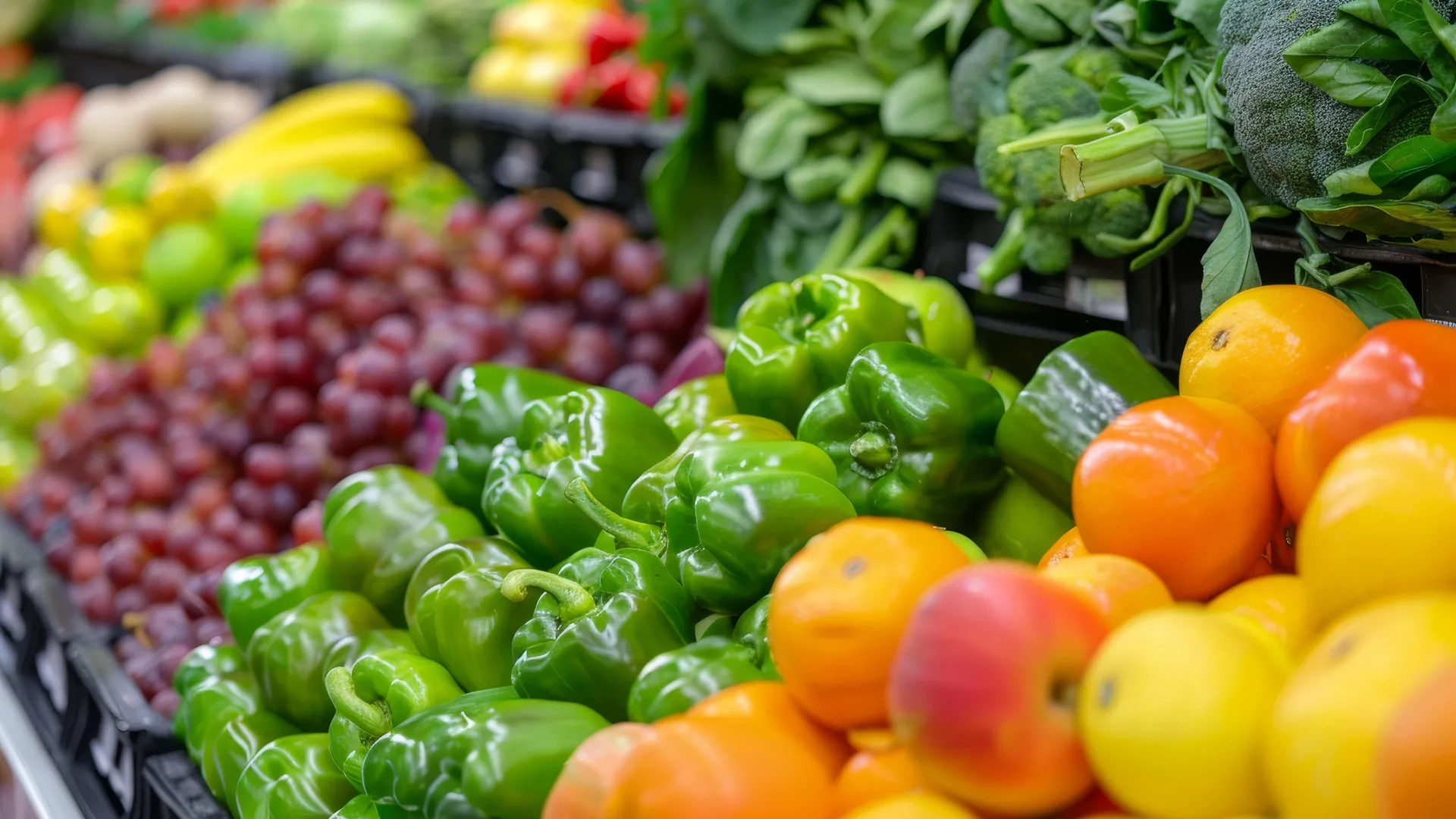
A significant discovery from the research was the clear distinction in internal pesticide levels based on the type of produce consumed. Individuals who reported higher consumption of fruits and vegetables recognized for carrying elevated pesticide residues—such as strawberries, spinach, and bell peppers—exhibited substantially greater levels of pesticide biomarkers in their urine compared to those whose diets predominantly featured produce with lower residue profiles. This observation firmly establishes diet as a primary determinant of pesticide exposure for the general populace and provides a critical foundation for examining potential long-term health implications.
The study also brought to light several other crucial patterns and challenges in understanding dietary pesticide exposure. Firstly, it underscored the significant role of dietary patterns in overall chemical load. People who consistently opted for produce known to harbor higher pesticide residues were more likely to have those chemicals detected in their urine. Secondly, the research highlighted existing gaps in biomonitoring efforts. While USDA data identified measurable residues of 178 different pesticides on tested fruits and vegetables, NHANES biomonitoring currently tracks only a fraction—specifically, 42 of those chemicals corresponded to biomarkers measured in urine samples. This suggests that the actual scope of total human exposure to agricultural chemicals may be far broader than what current biomonitoring programs capture, indicating a need for more extensive and diversified monitoring.
A particular analytical complexity arose with potatoes. The direct correlation between produce intake and internal pesticide levels became unequivocally clear only after potatoes were excluded from the dataset. The versatile nature of potato consumption, ranging from fresh whole potatoes to processed forms like chips and fries, complicates the estimation of pesticide exposure attributed to this vegetable. This anomaly suggests that additional dedicated research is warranted to fully comprehend how potato consumption contributes to an individual’s overall pesticide exposure profile. The lead author, Dr. Temkin, reiterated the vulnerability of certain demographic groups. "This study builds upon previous work, demonstrating that specific fruits and vegetables constitute a significant pathway for pesticide exposure among millions of Americans," she noted. "Developing systems in young children and pregnant individuals render them particularly susceptible to the potential harms associated with such exposure."
Beyond elucidating exposure pathways, the study raises critical questions regarding current pesticide regulatory frameworks. Historically, much of the research on pesticide exposure focused on specific occupational groups like farm workers or on environmental exposure from residential pesticide use. This new research pivots the discussion, demonstrating that daily food choices contribute substantially to pesticide exposure for the broader public. These widespread exposures prompt serious re-evaluation of whether existing safety standards, primarily set by the Environmental Protection Agency (EPA), adequately safeguard public health.
The EPA typically establishes maximum residue limits (MRLs) for individual pesticides, assessing each chemical in isolation. However, this approach often fails to account for the reality of cumulative exposure to multiple pesticide residues, which are frequently found together on conventionally grown produce. The study’s authors contend that their developed "dietary pesticide exposure scoring method" could serve as an invaluable tool for both regulators and scientists. This method could enable a more accurate evaluation of real-world dietary exposure scenarios, facilitating the development of improved protective measures, especially for vulnerable populations such as children and pregnant individuals. Varun Subramaniam, an EWG science analyst, underscored the foundational role of federal data in such research. "This investigation was only feasible thanks to robust federal data collection initiatives, emphasizing the critical importance of maintaining strong public health agencies as a paramount priority for policymakers," Subramaniam asserted. He further highlighted that "the extensive pesticide residue tests conducted by the USDA and the comprehensive CDC biomonitoring data represent the kind of essential research that exclusively governmental bodies can provide, operating at a scale unmatched by private sector or academic endeavors."
In light of these findings, the EWG continues to advocate for a diet rich in fruits and vegetables, irrespective of whether they are conventionally or organically grown. For consumers seeking to mitigate their pesticide exposure, research indicates that transitioning from conventional produce to organic alternatives, which are cultivated without the use of certain synthetic pesticides, can lead to a significant reduction in pesticide biomarkers in the body within a mere few days. When feasible, the EWG advises consumers to prioritize organic purchases for items identified as having the highest pesticide residues. They provide publicly accessible consumer guides, such as their "Shopper’s Guide to Pesticides in Produce," which features lists like the "Dirty Dozen" (produce with the highest detected residues) and the "Clean Fifteen" (items with the lowest residues), to help consumers make informed choices. Ultimately, the study reinforces the power of dietary decisions in shaping an individual’s chemical environment and calls for a renewed focus on comprehensive monitoring and regulation to protect public health.
About the Author