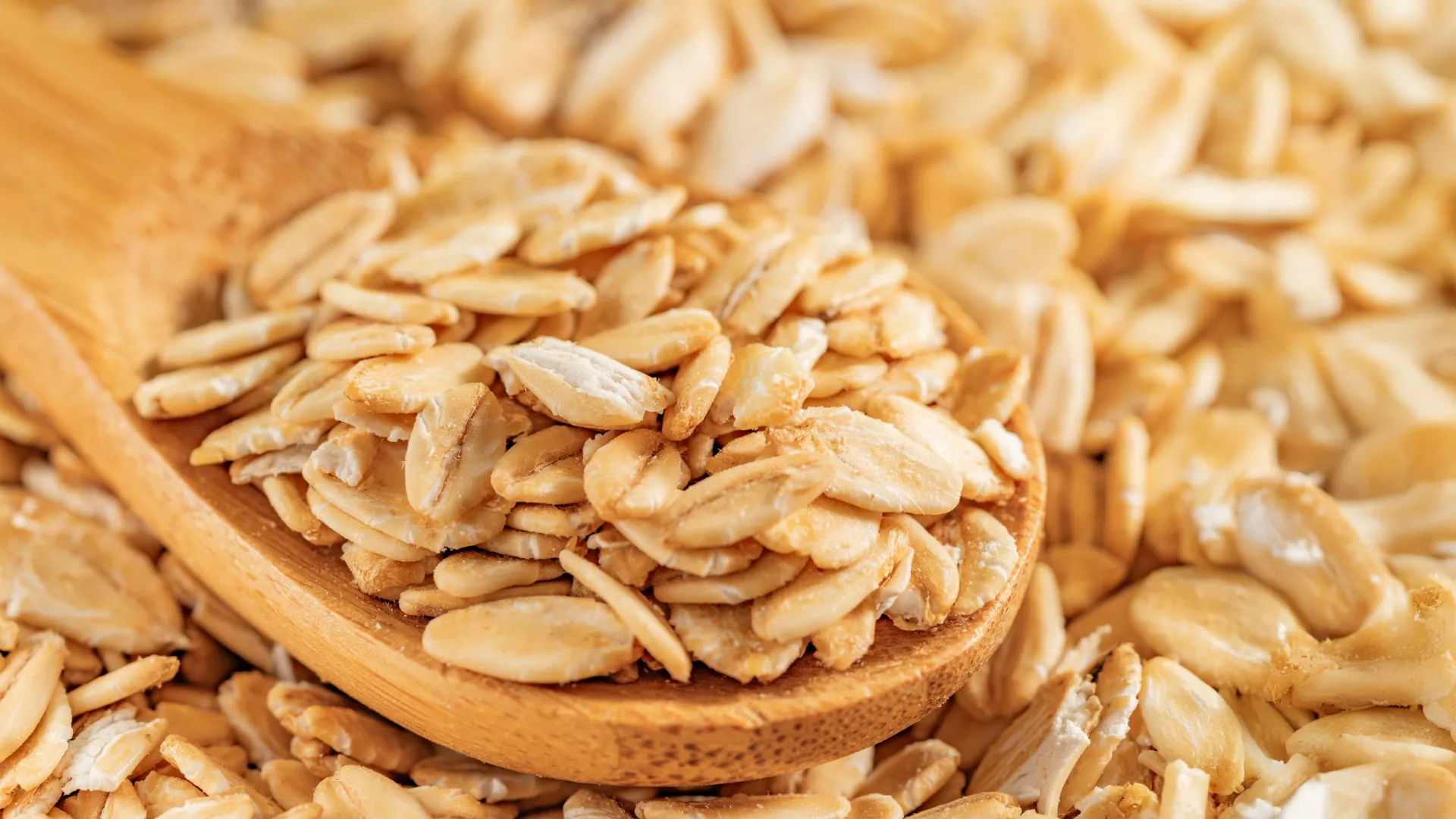
A concentrated, short-term dietary intervention featuring predominantly oatmeal has shown a remarkable capacity to improve key cardiovascular risk factors, specifically by reducing low-density lipoprotein (LDL) cholesterol levels by an average of 10% within a mere 48-hour period. This finding stems from a recent clinical investigation conducted at the University of Bonn and subsequently published in the esteemed journal Nature Communications. The research specifically targeted individuals diagnosed with metabolic syndrome, a complex constellation of health issues characterized by abdominal obesity, elevated blood pressure, impaired glucose tolerance, and dyslipidemia, all of which collectively heighten the risk of developing chronic diseases such as type 2 diabetes and cardiovascular disease. Participants in the study adhered to a calorie-restricted eating plan for two consecutive days, with oatmeal constituting the overwhelming majority of their caloric intake.
In contrast to a control cohort that also implemented calorie restriction but excluded oats from their diet, the group consuming the oat-centric meal plan exhibited substantially more pronounced improvements in their lipid profiles. Intriguingly, these positive cholesterol-lowering effects persisted for a notable duration, remaining detectable even six weeks following the brief dietary intervention. Beyond the direct impact on cholesterol, the researchers also observed significant alterations in the composition and activity of the gut microbiome in response to the oat-rich diet. The study suggests that specific metabolic byproducts generated by these modified gut bacteria play a pivotal role in mediating the observed health advantages associated with oat consumption.
The historical therapeutic use of oats in managing metabolic disorders provides a compelling backdrop to these contemporary findings. As far back as the early twentieth century, German physician Carl von Noorden recognized and employed oats as a dietary strategy for treating patients with diabetes, reporting considerable success. Professor Marie-Christine Simon of the University of Bonn’s Institute of Nutritional and Food Science noted that while modern pharmacological interventions are now the standard of care for diabetes, von Noorden’s pioneering approach has largely faded from contemporary medical discourse. The current study, while not directly involving individuals with diagnosed diabetes, focused on those with metabolic syndrome, a condition that significantly increases the predisposition to developing diabetes. Metabolic syndrome is clinically defined by a cluster of interconnected risk factors, including excess visceral fat, hypertension, hyperglycemia, and abnormal blood lipid levels. Professor Simon elaborated on the study’s objective: to ascertain the specific impact of a carefully designed, oat-predominant dietary regimen on individuals presenting with these metabolic challenges.
During the intensive intervention phase, participants were instructed to consume boiled oatmeal three times daily, with very limited additions of small quantities of fruits or vegetables permitted. A total of 32 male and female participants successfully completed this two-day oat-based intervention. Each individual consumed approximately 300 grams of dry oats per day, which translated to a roughly 50% reduction in their typical daily calorie intake. The control group, conversely, also underwent calorie reduction but did not incorporate oats into their meals.
Both dietary groups experienced certain health benefits attributable to the reduction in overall calorie consumption. However, the magnitude of these improvements was consistently greater within the oat-consuming group. Professor Simon emphasized that the decline in LDL cholesterol, often referred to as "bad" cholesterol, reached 10% in this group, a substantial improvement, although she cautioned that it should not be directly equated with the efficacy of current pharmaceutical treatments for hyperlipidemia. Additionally, participants in the oat group experienced an average weight loss of approximately two kilograms and a modest reduction in blood pressure.
The significance of lowering LDL cholesterol cannot be overstated in the context of cardiovascular health. Elevated levels of LDL cholesterol contribute to the pathological process of atherosclerosis, where fatty deposits, or plaques, accumulate within the arterial walls. This buildup narrows the arteries, impeding blood flow and increasing the risk of plaque rupture. Such ruptures can trigger the formation of blood clots, which, if they dislodge or completely obstruct a blood vessel, can lead to life-threatening events such as myocardial infarction (heart attack) or cerebrovascular accident (stroke).
To elucidate the mechanistic underpinnings of the observed effects, the researchers delved into the complex ecosystem of the gut microbiome. Linda Klümpen, the study’s lead author, reported that the ingestion of oatmeal led to an increase in the abundance of specific bacterial species within the gut. There is a growing scientific consensus regarding the central role of gut microbiota in nutrient assimilation and overall metabolic regulation. These microbial communities produce a diverse array of metabolites that are essential for maintaining the integrity and function of the intestinal lining and can exert systemic effects on host physiology.
A subset of these bacterial metabolites can indeed enter the systemic circulation, influencing the function of distant organs. Klümpen explained that the researchers were able to demonstrate that gut bacteria metabolize components of oats, generating phenolic compounds. One such compound, ferulic acid, has previously been shown in preclinical animal studies to exert beneficial effects on cholesterol metabolism, and it is plausible that other related microbial metabolites from oat breakdown also contribute to these positive outcomes. Furthermore, certain gut bacteria possess the capacity to catabolize the amino acid histidine. This microbial action is significant because, in the absence of efficient histidine breakdown, the body can convert it into compounds that are implicated in the development of insulin resistance, a key pathological feature of diabetes.
The findings suggest that a short, intensive dietary period focused on oats yielded more impactful results than a prolonged, moderate intake. While the cholesterol-lowering effects were still evident six weeks after the initial two-day intervention, the benefits were most pronounced when oats were consumed in high quantities as part of a calorie-restricted regimen. In a subsequent six-week phase of the study, participants consumed a more modest 80 grams of oatmeal daily without further dietary restrictions, which resulted in only minor physiological changes. Professor Simon posited that future research could investigate whether a periodic, intensive oat-based dietary regimen, perhaps repeated at regular intervals, could confer sustained preventative benefits against metabolic dysfunction and chronic disease development.
The rigorous methodology employed in this research involved randomized controlled trials (RCTs), a gold standard in clinical research design. A total of 68 individuals initially participated in the study. For the acute two-day oat intervention, 17 participants were assigned to the oat group and 15 to the control group, with two individuals withdrawing from the control arm for personal reasons. In the longer, six-week intervention, 17 participants completed the study in each group. The selection of 17 participants per arm was based on statistical power calculations derived from prior interventional studies.
In an RCT, participants are randomly allocated to receive either the intervention under investigation (in this case, oats) or a comparator (the control diet). Ideally, participants are "blinded" to their group assignment to mitigate the influence of expectations or placebo effects on the outcomes. However, in nutritional studies, achieving complete blinding can be challenging due to the inherent sensory differences in food items. While participants in this study were aware of their dietary assignments, crucial measures were implemented to ensure objectivity. Specifically, the laboratory personnel analyzing blood and stool samples, as well as those responsible for recording blood pressure and weight measurements, were kept unaware of the participants’ group affiliations. This double-blinding of outcome assessors significantly reduces the potential for bias.
Prior to the commencement of any dietary modifications, a comprehensive baseline assessment was conducted for all participants. This included the collection of blood and stool samples, as well as measurements of blood pressure, body weight, height, waist circumference, and body fat percentage. Follow-up assessments were systematically performed immediately after the two-day oat intervention and at subsequent two, four, and six-week intervals. The same battery of measurements and sample collections was repeated at each time point. The participants in the six-week oatmeal intervention underwent an identical testing protocol.
Blood samples were analyzed for quantitative levels of LDL cholesterol and for the presence of dihydroferulic acid, a phenolic compound hypothesized to be a product of beneficial gut bacteria. Stool samples were subjected to molecular analysis to identify specific bacterial species by isolating and sequencing 16S ribosomal RNA (rRNA) gene sequences. The 16S rRNA gene serves as a highly conserved but variable molecular marker unique to bacteria, akin to a genetic fingerprint, allowing for species-level identification. Furthermore, researchers analyzed the samples for the presence of various metabolic byproducts generated by the gut microbiota. The research initiative received financial support from several prominent institutions, including the German Federal Ministry of Education and Research (BMBF), the German Diabetes Association (DDG), the German Research Foundation (DFG), the German Cereal Processing, Milling and Starch Industries’ Association (VGMS), and RASO Naturprodukte.
About the Author