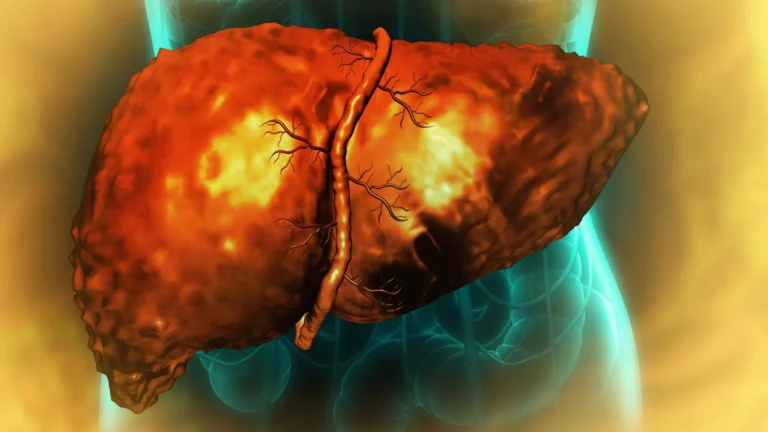
As individuals navigate the complexities of aging, particularly beyond the age of 55, a common physiological shift involves changes in body composition, frequently manifesting as an increase in abdominal fat. This phenomenon, often colloquially termed "belly pooch," is more than just an aesthetic concern; it signals the accumulation of visceral fat, a metabolically active and potentially dangerous type of adipose tissue situated deep within the abdominal cavity, surrounding vital organs. Unlike subcutaneous fat, which lies just beneath the skin, visceral fat is strongly correlated with a heightened risk of serious health conditions, including cardiovascular disease, type 2 diabetes, certain cancers, and even cognitive decline. The pursuit of a leaner midsection, therefore, transcends cosmetic aspirations, evolving into a critical component of proactive health management.
The journey to mitigate abdominal fat, especially in later life, is often met with misconceptions, none more pervasive than the belief in "spot reduction." Many individuals dedicate countless hours to isolated abdominal exercises like crunches, under the impression that targeting a specific area will lead to fat loss in that region. However, scientific consensus firmly debunks this myth; the body mobilizes fat stores from across its entirety during energy expenditure, not just from the muscles being worked. Consequently, while isolated core exercises are valuable for strengthening the abdominal muscles, they are largely ineffective as a primary strategy for reducing the layer of fat that covers them. A more effective and evidence-based approach necessitates a broader strategy focusing on overall body fat percentage reduction, achieved through comprehensive, metabolically demanding exercises.
Aging introduces several physiological factors that contribute to the accumulation of visceral fat. Hormonal fluctuations, such as declining estrogen levels in women and testosterone in men, play a significant role in altering fat distribution towards the abdomen. Concurrently, a natural reduction in metabolic rate, coupled with age-related muscle loss (sarcopenia) and often decreased physical activity levels, exacerbates the challenge. Muscle tissue is metabolically active, burning more calories at rest than fat tissue. Thus, preserving and building muscle mass becomes paramount for maintaining a robust metabolism and facilitating fat loss.
Expert insights underscore the limitations of singular core work. Matt Bandelier, director of business development at Eden Health Club, emphasizes that "Compound, metabolic resistance exercises are significantly more effective than isolated core work like crunches." He elaborates on the necessity to "mobilize large muscle groups to spike your metabolic rate and deplete glycogen stores," ultimately aiming to "lower your overall body fat percentage." This holistic perspective highlights that movements engaging the legs, back, and shoulders simultaneously generate substantially greater caloric expenditure per minute compared to exercises performed while lying on the floor, making them superior for systemic fat reduction.
Incorporating a structured fitness routine into the early hours of the day can confer substantial advantages for individuals over 55. A morning workout can effectively jumpstart metabolism, enhance energy levels, improve mental clarity, and instill a sense of accomplishment that positively influences daily choices. By completing physical activity early, individuals are less likely to defer or skip workouts due to evening fatigue or conflicting commitments, fostering greater consistency—a cornerstone of any successful fitness regimen. Moreover, training on a relatively empty stomach may encourage the body to tap into fat reserves for energy, although the primary benefit remains the sustained metabolic boost throughout the day.
For optimal visceral fat reduction and enhanced overall fitness, particularly in mature adults, integrating a selection of compound, full-body movements is highly recommended. These exercises not only elevate heart rate and burn calories but also build and maintain muscle mass, crucial for metabolic health.
1. Dumbbell Squat to Overhead Press (Thruster):
This dynamic, full-body exercise is a powerhouse for metabolic conditioning. It seamlessly combines a lower-body strength movement (squat) with an upper-body pressing action (overhead press), engaging multiple large muscle groups simultaneously.
- Execution: Begin standing with feet shoulder-width apart, holding a dumbbell in each hand at shoulder height, palms facing each other. Descend into a squat, keeping your chest upright and core engaged, ensuring your hips go below parallel if comfortable. As you powerfully drive up from the squat, use the momentum to press the dumbbells overhead until your arms are fully extended. Control the descent of the dumbbells back to shoulder height as you prepare for the next repetition.
- Benefits: This movement effectively targets the quadriceps, hamstrings, glutes, core, shoulders, and triceps. Its multi-joint nature significantly increases heart rate, improves cardiovascular endurance, and promotes substantial caloric expenditure, making it highly effective for fat loss. It also enhances functional strength, crucial for daily activities.
- Modifications: For beginners or those with joint concerns, start with lighter weights or no weights. Focus on perfecting the squat form before adding the overhead press. The range of motion for the squat can be reduced if necessary.
2. Reverse Lunges:
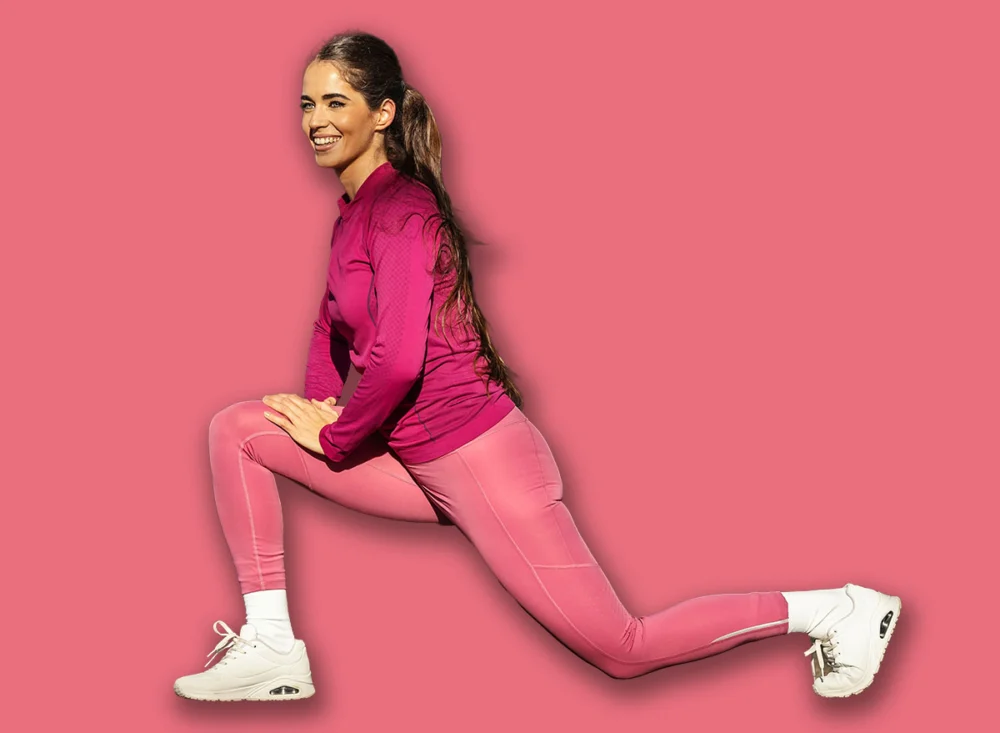
A fundamental unilateral (one-sided) exercise, reverse lunges are excellent for building lower body strength, improving balance, and enhancing core stability, all critical components of fitness for older adults.
- Execution: Stand tall with feet hip-width apart. Take a step backward with one leg, lowering your hips until both knees are bent at approximately a 90-degree angle. Ensure your front knee is directly above your ankle and your back knee hovers just above the floor. Push through the heel of your front foot to return to the starting position. Alternate legs with each repetition. Dumbbells can be held at your sides for added resistance.
- Benefits: Reverse lunges primarily work the glutes, hamstrings, and quadriceps while challenging core stability to maintain balance. The unilateral nature helps correct muscular imbalances and improves proprioception, which is vital for preventing falls.
- Modifications: Start without weights to master the form. For balance support, hold onto a sturdy chair or wall. Reduce the depth of the lunge if knee discomfort is present.
3. Walkouts (Inchworms):
This bodyweight exercise serves as an excellent full-body warm-up and builds core strength, shoulder stability, and hamstring flexibility. It dynamically engages muscles from head to toe.
- Execution: Begin standing tall with feet hip-width apart. Hinge at your hips, keeping your legs as straight as comfortable (a slight bend in the knees is acceptable), and place your hands on the floor in front of your feet. Slowly walk your hands forward, moving into a plank position with your body in a straight line from head to heels. Engage your core to prevent your hips from sagging. From the plank, walk your hands back towards your feet, returning to the starting position.
- Benefits: Walkouts activate the core extensively for stabilization, strengthen the shoulders and arms, and provide a gentle stretch to the hamstrings and calves. They improve body control and coordination.
- Modifications: If reaching the floor is difficult, use yoga blocks or stack books under your hands. The duration of the plank hold can be adjusted based on core strength.
4. Kettlebell Swings:
Kettlebell swings are a highly effective ballistic exercise that engages the entire posterior chain (glutes, hamstrings, lower back) and significantly elevates heart rate, making them a potent tool for metabolic conditioning and fat burning. Matt Bandelier highlights that this movement "engages the entire posterior chain and spikes the heart rate."
- Execution: Stand with feet slightly wider than shoulder-width apart, with a kettlebell placed on the floor a few inches in front of you. Hinge at your hips, keeping a slight bend in your knees and a flat back, to grasp the kettlebell handle with both hands. Hike the kettlebell back between your legs, then explosively drive your hips forward, squeezing your glutes, to swing the kettlebell upward to chest or eye level. Allow the kettlebell to swing back down between your legs, controlling the descent by hinging at the hips. The power comes from the hips, not the arms.
- Benefits: This exercise builds powerful glutes and hamstrings, strengthens the core and back, and provides an intense cardiovascular workout. It is exceptionally efficient for burning calories and improving overall power and endurance.
- Modifications: Start with a very light kettlebell to master the hip hinge motion. Focus on the explosive hip drive rather than lifting with the arms. If new to kettlebells, seek guidance from a qualified instructor.
5. Mountain Climbers:
Mountain climbers are a dynamic, full-body cardio exercise that demands core stability and builds cardiovascular endurance. Matt Bandelier notes that this "acts as a cardio burst that demands core stability."
- Execution: Begin in a high plank position, with your hands directly under your shoulders and your body forming a straight line from head to heels. Engage your core. Alternately bring one knee towards your chest in a running motion, then quickly switch legs. Maintain a stable torso, avoiding excessive hip rocking.
- Benefits: This exercise rapidly elevates heart rate, improving cardiovascular fitness and endurance. It intensely works the core muscles for stabilization, while also engaging the shoulders, arms, and legs.
- Modifications: Perform the movement at a slower pace or bring knees only halfway to the chest. For less impact, step one foot forward at a time instead of running.
To maximize the benefits of these exercises, consistency and proper form are paramount. Aim for at least 3-5 sessions per week, allowing for adequate rest and recovery. Begin with a thorough warm-up of light cardio and dynamic stretches, and conclude with a cool-down involving static stretches. It is crucial to listen to your body, adjusting intensity and duration as needed, and to consult with a healthcare professional or certified fitness trainer before embarking on any new exercise program, particularly if you have pre-existing health conditions or concerns.
Beyond the physical movements, a holistic approach to health and fat management remains essential. This includes adopting a balanced, nutrient-dense diet rich in whole foods, prioritizing adequate sleep, managing stress effectively, and staying well-hydrated. These lifestyle pillars synergistically support the body’s ability to reduce fat, maintain muscle, and promote overall well-being, paving the way for a healthier and more vibrant life in the mature years. By shifting focus from isolated ab work to comprehensive, full-body movements and embracing a lifestyle conducive to metabolic health, individuals over 55 can achieve significant progress in reducing visceral fat and enhancing their quality of life.
About the Author