
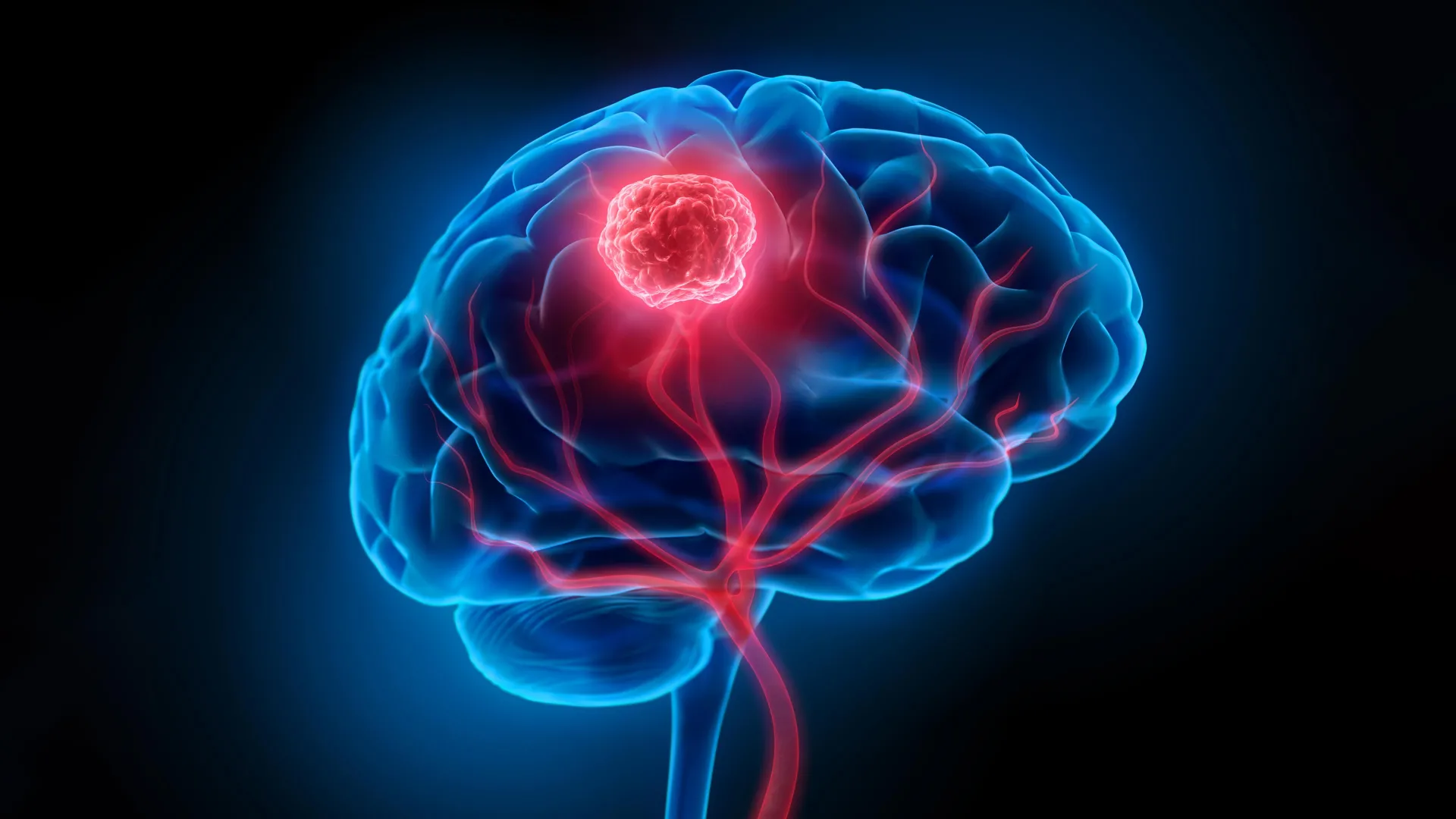
A paradigm shift is emerging in the landscape of cancer therapeutics, challenging the long-held doctrine of solely targeting and eradicating malignant cells. While conventional treatments like chemotherapy, radiotherapy, and immunotherapy are designed for direct assault, a burgeoning cohort of researchers is probing an alternative hypothesis: could the pathway to a cure lie not in destruction, but in fostering the tumor’s inherent capacity for self-repair and quiescence?
This provocative conceptualization is central to the groundbreaking investigations spearheaded by Professor Indraneel Mittra at the Advanced Centre for Treatment, Research and Education in Cancer (ACTREC) in Mumbai, India. The idea of cancer as a fundamentally aberrant healing process is not entirely novel; it echoes observations made decades ago. In 1986, a seminal publication in the New Journal of Medicine by Dr. Harold Dvorak proposed that cancer mirrors a wound that fails to resolve, exhibiting shared biological characteristics with chronic wounds. Professor Mittra posits that instead of an unyielding focus on tumor destruction, the medical community should actively explore strategies that guide tumors toward a less aggressive, more resolved state.
In a recent pilot study focused on glioblastoma, one of the most formidable and aggressive forms of brain cancer, Professor Mittra’s team has presented compelling evidence suggesting that a straightforward, low-cost combination of two readily available nutraceuticals may indeed facilitate this proposed healing mechanism.
Investigating a Gentle Approach for Glioblastoma
Glioblastoma multiforme stands as a particularly challenging adversary within oncology, characterized by its rapid proliferation and relentless invasiveness. Despite the integration of sophisticated therapeutic modalities, including surgical resection, chemotherapy, and radiotherapy, the median survival for patients diagnosed with this condition typically hovers around a somber 15 months.
The study, recently published in BJC Reports, meticulously details the protocol employed by Professor Mittra and his collaborators. Ten individuals diagnosed with glioblastoma were administered a daily regimen of a tablet containing modest doses of resveratrol and copper, taken four times daily for an average duration of 11.6 days preceding their scheduled surgical intervention.
To rigorously assess the impact of this intervention, a control group comprising ten patients with similarly aggressive glioblastomas, who did not receive the nutraceutical supplement, was established. Tumors from both the intervention and control groups were surgically excised. Subsequently, these tissue samples underwent exhaustive analysis using a suite of advanced techniques, including high-resolution microscopy, immune-histochemistry, immunofluorescence, and transcriptome sequencing, to discern any biological distinctions.
The comprehensive analyses revealed a profound and favorable alteration in tumor biology among patients who had received the resveratrol and copper supplement.
Transformative Intratumoral Changes Observed
A series of critical cancer biomarkers exhibited significant shifts in a positive direction within the tumors of patients who were administered the resveratrol and copper tablets. These included a notable reduction in the proliferation index, indicating a slowing of cancer cell division. Furthermore, markers associated with cellular aggression and invasiveness showed a marked decrease, suggesting a diminished capacity for the tumor to spread. Importantly, the study also observed an increase in markers indicative of apoptosis, the body’s natural process of programmed cell death, implying that the supplement may be encouraging cancer cells to self-destruct in a controlled manner.
Crucially, a significant aspect of this research is the absence of any reported adverse side effects in the cohort that received the nutraceutical intervention. This stands in stark contrast to many conventional cancer treatments, which often carry a substantial burden of toxicity.
Professor Mittra expressed his optimism regarding these findings, stating, "These results suggest that a simple, inexpensive, and non-toxic nutraceutical tablet potentially possesses the power to induce a healing response in glioblastoma."
Mechanism of Action: Targeting Cell-Free Chromatin Particles (cfChPs)
The underlying cellular mechanisms by which this apparent healing effect is achieved are thought to involve the interaction of resveratrol and copper with circulating cell-free chromatin particles (cfChPs). These particles, released from dying cancer cells, have been implicated in exacerbating the aggressive behavior of surviving tumor cells. Earlier research from Professor Mittra’s laboratory demonstrated that the synergistic action of resveratrol and copper generates reactive oxygen species capable of deactivating or neutralizing these cfChPs.
In the current investigation, the researchers observed a stark difference in cfChP abundance: untreated tumors were rich in these particles, whereas tumors from patients who had received the resveratrol-copper regimen showed a near-complete absence. This suggests that in the treated group, dying cancer cells underwent apoptosis, releasing their contents in a contained manner before cfChPs could be disseminated into the tumor microenvironment.
Professor Mittra elaborated on this critical pathway: "Cell-free chromatin particles, fragments of DNA released by dying cancer cells, incite inflammation in the surviving cancer cells, thereby increasing disease aggressiveness. By eliminating these cell-free chromatin particles, which the resveratrol-copper tablets effectively achieve, the cancer is subdued." He further posited that prolonged administration of this combination therapy might potentially lead to a complete resolution of the cancer, effectively transforming a malignant neoplasm into a benign one.
Immune Checkpoint Modulation and a Cost-Effective Alternative
One of the most noteworthy discoveries from this study is the observed downregulation of several immune checkpoints in response to the resveratrol-copper treatment. Immune checkpoint inhibition has revolutionized cancer therapy by unleashing the patient’s own immune system to target and destroy tumors. However, existing immune checkpoint inhibitor drugs are exceptionally expensive and can precipitate significant and often debilitating side effects.
In contrast, the nutraceutical combination investigated in this research is characterized by its simplicity, non-toxicity, and affordability. Yet, it appears to exert a similar modulatory effect on multiple immune checkpoints. This finding opens up the exciting prospect of a more accessible and less burdensome approach to influencing pathways that are currently targeted by high-cost oncological drugs.
A Potential Paradigm Shift in Cancer Management
These findings herald the potential for a fundamental reorientation in how cancer is approached and managed. Professor Mittra critically assessed the historical trajectory of cancer treatment: "We have been attempting to kill cancer cells for 2,500 years, since the era of the ancient Greeks, without achieving definitive success. Perhaps it is time to re-evaluate our strategies and focus on facilitating tumor healing rather than solely pursuing annihilation."
While acknowledging the small sample size of this initial study, Professor Mittra expressed strong confidence in the robustness of the results, stating, "The outcomes were so striking that I would fully anticipate their replication in larger patient cohorts." He concluded with a powerful assertion: "I believe we may be on the cusp of transforming the very paradigm of cancer treatment."
Professor Indraneel Mittra holds the prestigious Dr. Ernest Borges Chair in Translational Research and is a Professor Emeritus in the Department of Surgical Oncology at the Advanced Centre for Treatment, Research and Education in Cancer (ACTREC), part of the Tata Memorial Centre in Mumbai. This research was made possible through funding from the Department of Atomic Energy, Government of India, via a grant awarded to the Tata Memorial Centre to Indraneel Mittra.
About the Author












