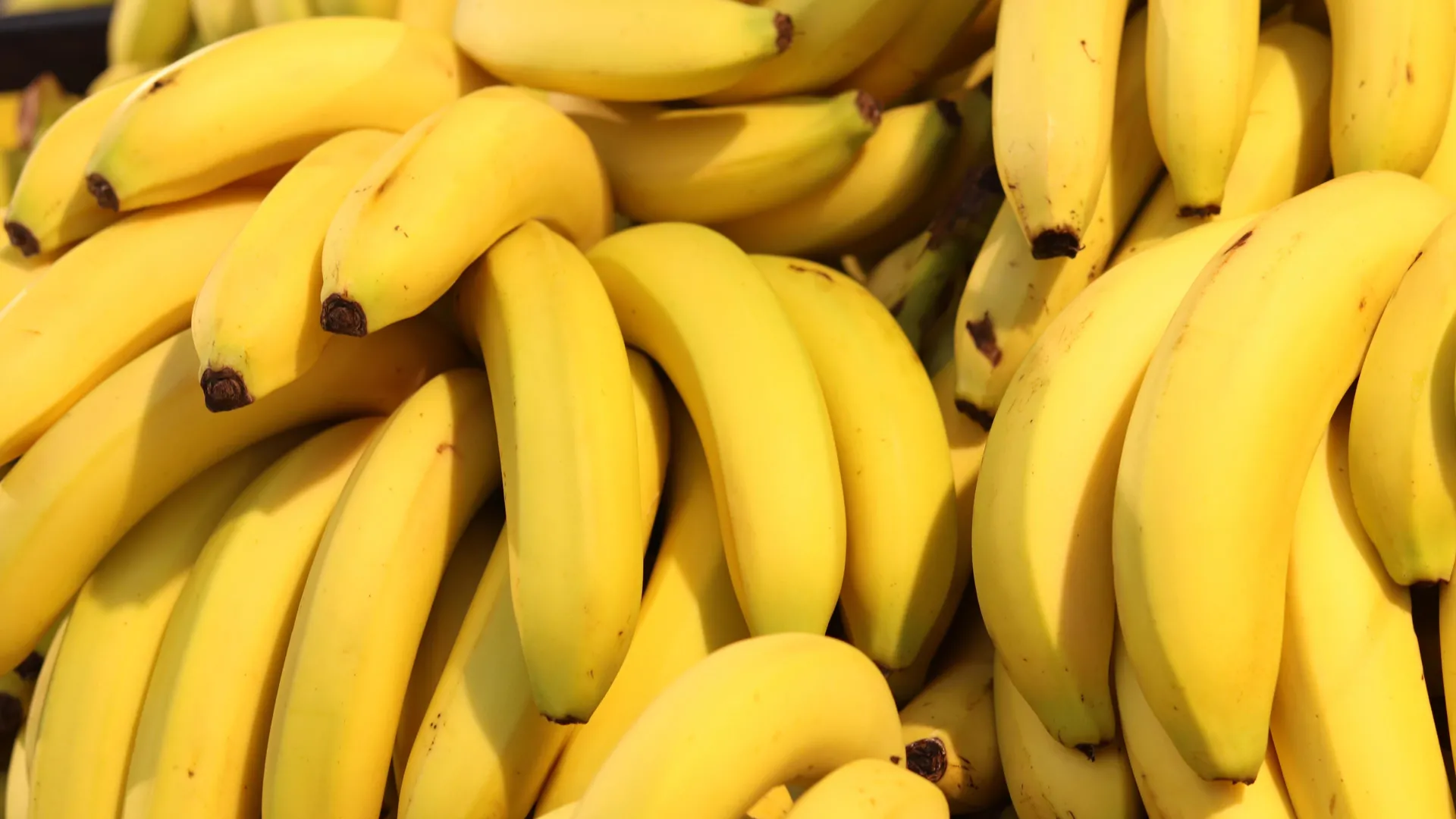
A comprehensive scientific inquiry, spearheaded by a consortium of Brazilian and Spanish researchers, has meticulously scrutinized the safety of agricultural produce cultivated in the vicinity of the Doce River estuary, an area profoundly impacted by the catastrophic 2015 Fundão tailings dam collapse in Minas Gerais. The collaborative effort, drawing expertise from soil science, environmental engineering, and public health disciplines at institutions including the University of São Paulo (USP), the Federal University of Espírito Santo (UFES), and the University of Santiago de Compostela, aimed to ascertain whether staple food crops grown in this environmentally compromised region pose a risk to human consumption. The investigation zeroed in on crops such as bananas, cassava, and cocoa, all of which are grown in soils demonstrably affected by the vast quantities of iron mining waste that inundated the landscape following the dam’s structural failure.
The researchers specifically targeted the analysis of several heavy metals – namely cadmium, chromium, copper, nickel, and lead – which are intrinsically linked to the iron oxides that constitute the bulk of the mining tailings. Their findings have illuminated a concerning reality: the consumption of bananas grown in soil contaminated by this industrial residue may present a tangible health hazard, especially for children aged six years and younger. This conclusion is the culmination of years of dedicated research by the scientific teams, who were among the first to collect environmental samples just seven days after the disaster, immediately recognizing the imminent threat of widespread contamination across soil, water, and aquatic life. The pivotal question that then emerged was the direct implication of this contamination on human health.
This landmark study, officially published in the peer-reviewed journal Environmental Geochemistry and Health, meticulously details the mechanisms through which potentially toxic elements (PTEs) from mining waste are absorbed by plants and subsequently accumulate within their edible tissues. Furthermore, it elaborates on the pathways through which these harmful substances can infiltrate the human food chain. The research itself is a significant component of Amanda Duim’s doctoral dissertation at the University of São Paulo’s Luiz de Queiroz College of Agriculture (ESALQ-USP), a thesis that has already yielded seven international publications and garnered substantial recognition, including the prestigious USP Thesis Award in Sustainability and the Capes Thesis Award in 2025, underscoring its academic and societal importance. Duim’s groundbreaking work was supported by a doctoral scholarship from the São Paulo Research Foundation (FAPESP).
A key distinction of this research lies in its direct correlation of human health risks with the translocation of PTEs from contaminated soil into cultivated crops. Duim, the principal author of the study, emphasized that the concentration of iron oxide in the soil, a primary component of the tailings, directly corresponds to the levels of these metals found within the plants themselves. The research rigorously traced the movement of constituents from the tailings, through the soil and into local water sources, and ultimately into various plant parts, including leaves and fruits. Understanding the precise elemental composition and quantities present in the soil is the foundational step in deciphering the complex biochemical processes governing the release and uptake of these elements.
Duim’s doctoral journey, initiated in 2019, initially explored the potential of flood-prone area plants to aid in the remediation of contaminated ecosystems. Her initial investigations encompassed both cultivated crops and indigenous plant species. For native flora, the objective was to understand their role in the dissolution of iron oxide and, consequently, the entry of associated PTEs into plant tissues, acknowledging that different species exhibit varying accumulation capacities. This line of inquiry aimed to identify suitable native species for environmental cleanup, a goal for which several promising candidates were identified and their efficacy reported in prior publications. In parallel, the study with cultivated species sought to determine whether PTEs would migrate into the consumable parts of these plants.
The process of quantifying contamination involved the careful collection and preparation of both soil and plant samples. Researchers meticulously washed and weighed fresh plant material before drying it and re-weighing. Distinct plant parts – roots, stems, leaves, and peeled fruits – were then meticulously ground separately to facilitate precise analysis. The "plant powder" was dissolved using a combination of strong acids, transforming the solid material into a liquid solution. The concentration of metals within this solution was then determined and correlated with the original weight of the diluted sample, yielding the PTE concentration expressed in milligrams per kilogram of dry biomass.
Analysis revealed distinct patterns of metal accumulation across the studied crops. In bananas and cassava, the majority of PTEs, with the exception of chromium, were predominantly found in the subterranean portions, specifically the roots and tubers. Cocoa exhibited a different behavior, showing elevated concentrations in its stems, leaves, and fruits. Notably, the concentration of copper and lead in cocoa pulp exceeded the safety thresholds established by the Food and Agriculture Organization of the United Nations (FAO). Upon identifying that certain edible plant parts contained PTE levels surpassing recommended standards, the research team proceeded to conduct a formal health risk assessment.
This critical phase involved the calculation of the risk quotient (RQ), risk index (RI), and total risk index (TRI) for individuals consuming bananas, cassava rhizomes, and cocoa pulp. The assessment differentiated between children under six years of age and adults over 18. The RQ serves as a comparative measure, juxtaposing an individual’s estimated daily intake of a contaminant against a established safe reference dose. The TRI, on the other hand, provides an aggregate evaluation of potential non-carcinogenic health risks arising from exposure to PTEs, with values below 1 generally indicating a low level of risk.
The presence of toxic elements in the environment is a natural phenomenon, and humans are routinely exposed to them at low concentrations. However, catastrophic events like the Mariana disaster, which led to a significant increase in exposure levels, necessitate a heightened degree of caution. Standard methodologies are employed to assess the bioavailability of these elements, as certain concentrations can trigger a range of adverse health effects, including kidney and heart complications, gastrointestinal disturbances, and respiratory issues if inhaled. Acute exposure can also manifest as skin irritation and ocular problems.
In their risk assessment, the researchers incorporated crucial demographic and consumption data. They utilized information from the Brazilian Institute of Geography and Statistics (IBGE) to estimate the typical dietary intake of locally sourced foods by residents. Additionally, factors such as the projected duration of exposure, significant differences in body mass between children and adults, and the latency periods for the development of adverse health effects were carefully considered. The study referenced established daily intake limits for various contaminants, including specific thresholds for cadmium in fruits and tubers, and ranges for chromium, copper, nickel, lead, and zinc.
While the TRI values for most metals remained below 1 for adults consuming these foods from the Doce River estuary, signifying no substantial non-carcinogenic risk, a different picture emerged for young children. The TRI for bananas specifically surpassed 1 for this age group, signaling potential health concerns. Elevated lead levels were identified as the primary contributor to this elevated risk, with cadmium concentrations in bananas also exceeding FAO recommendations. The researchers underscored the profound implications of chronic lead exposure, even at low levels, which can result in irreversible damage to developing brains, potentially leading to diminished cognitive function, reduced IQ, and the exacerbation of attention and behavioral disorders.
The scientific team issued a cautionary note regarding the cumulative effects of long-term consumption of food grown in contaminated soil. Over extended periods, coinciding with the average life expectancy in Brazil, there is a potential for carcinogenic risk due to the possibility of both direct and indirect DNA damage. Such genetic alterations could elevate the susceptibility to cancers affecting the central nervous system, the digestive tract, and blood-forming tissues. The ultimate impact, however, is intricately dependent on the individual human body’s capacity to absorb and metabolize these environmentally available elements.
About the Author