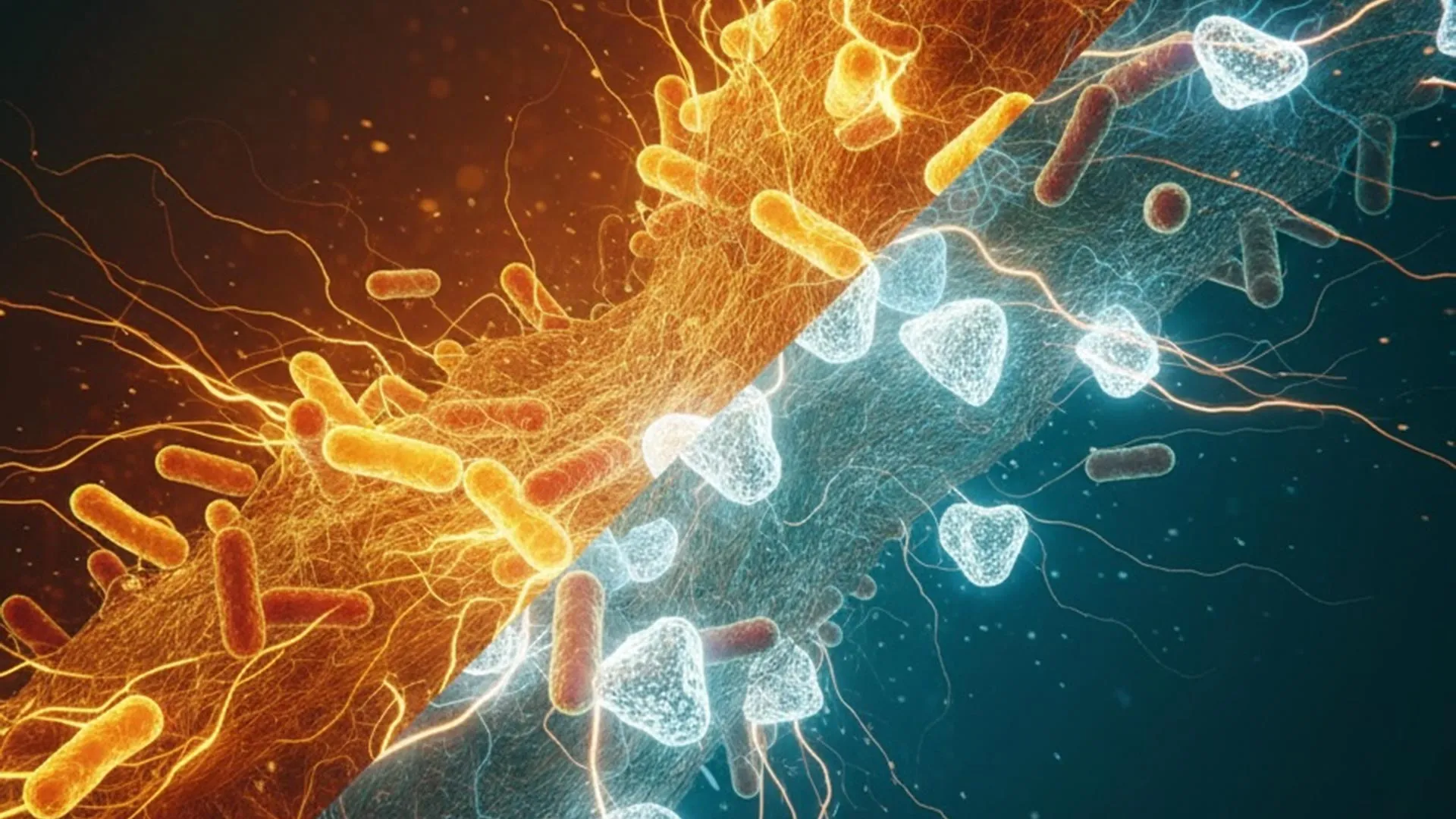
The intricate dance of microbial life, a fundamental aspect of survival for all organisms, has long presented a formidable challenge to modern medicine, particularly as a growing number of bacteria develop resistance to conventional antimicrobial agents. This escalating issue is compounded by the crucial understanding that a vast number of bacterial species are not adversaries but essential partners in maintaining human health. Consequently, a paradigm shift is emerging in scientific inquiry, moving away from broad-spectrum eradication towards a more nuanced approach: influencing bacterial behavior to foster health and mitigate disease.
Within the complex ecosystem of the human oral cavity, an estimated 700 distinct bacterial species engage in a constant, sophisticated exchange of information. This intercellular dialogue, termed quorum sensing, empowers bacteria to synchronize their collective actions. Central to this communication network are signaling molecules, specifically N-acyl homoserine lactones (AHLs), which act as chemical messengers, facilitating the transmission and reception of crucial directives within bacterial communities.
At the University of Minnesota’s College of Biological Sciences and School of Dentistry, a team of investigators embarked on a groundbreaking exploration into the communication mechanisms employed by oral bacteria. Their ambitious objective was to ascertain whether targeted disruption of these bacterial signaling pathways could serve as a novel strategy for preventing the accumulation of dental plaque and fostering a more salubrious oral microbiome. The insights gleaned from this research, subsequently detailed in the esteemed journal npj Biofilms and Microbiomes, signal a potential revolution in the therapeutic management of bacterial-driven pathologies.
The researchers meticulously identified several pivotal patterns governing the intricate communication and organizational strategies of oral bacteria. Their findings illuminate the dynamic nature of dental plaque, characterizing its development as a sequential process akin to the maturation of a forest ecosystem. Initial colonizers, often referred to as "pioneer species" such as Streptococcus and Actinomyces, establish the foundational community. These early inhabitants are generally benign and are typically associated with robust oral health. As the plaque matures, a more diverse array of "late colonizers" emerges, including members of the notorious "red complex," such as Porphyromonas gingivalis, a bacterium strongly implicated in the pathogenesis of periodontal disease. The research posits that by strategically interfering with the chemical signals that orchestrate bacterial communication, it may be possible to guide the plaque community back towards or maintain it in a health-associated state.
A particularly striking revelation from the study concerns the profound influence of oxygen availability on bacterial behavior and community composition. Lead author Rakesh Sikdar highlighted that the modulation of AHL signaling under aerobic conditions led to a discernible increase in the prevalence of health-associated bacteria. Conversely, the introduction of AHLs in an anaerobic environment appeared to promote the proliferation of disease-associated late colonizers. This observation suggests that quorum sensing may indeed operate with distinct functionalities above and below the gumline, a finding that carries significant implications for the development of effective therapeutic strategies targeting periodontal diseases.
The implications of this research extend beyond the immediate focus on oral health, pointing towards the development of entirely new microbiome-based treatment modalities. The investigative team plans to further probe the variations in bacterial signaling across different oral anatomical regions and in individuals experiencing varying severities of periodontal disease. Associate Professor Mikael Elias, a senior author on the study, emphasized that a comprehensive understanding of how bacterial communities communicate and self-organize could ultimately furnish novel avenues for preventing periodontal disease. This approach, he elaborated, would not involve an aggressive assault on all oral bacteria, but rather a precise and strategic maintenance of a healthy microbial equilibrium. The researchers are optimistic that this foundational strategy could eventually pave the way for innovative therapies applicable to other regions of the body where microbial dysbiosis is linked to various illnesses, including certain types of cancer.
This pioneering research was made possible through the generous financial support of the National Institutes of Health, underscoring the federal commitment to advancing scientific understanding in critical areas of human health. The findings represent a significant leap forward in our ability to interact with and influence microbial communities, offering a beacon of hope for more targeted and less disruptive approaches to disease prevention and management. By understanding the language of bacteria, scientists are now poised to move from an adversarial stance to one of microbial diplomacy, fostering an environment where beneficial microbes thrive and harmful ones are kept in check, thereby safeguarding human health through a more harmonious coexistence. The concept of "precision microbial management" is no longer a distant aspiration but a tangible goal, promising a future where interventions are as sophisticated and adaptable as the microbial world itself.
About the Author