
The 1960s in America represented a fascinating juncture of tradition and innovation, a decade where the domestic kitchen, much like society itself, was in flux. Families navigated a landscape of evolving social norms, burgeoning technology, and a burgeoning consumer culture, all of which profoundly influenced meal preparation and dining habits. While the era is often remembered for its vibrant cultural shifts, it also forged a culinary identity characterized by a unique blend of comforting, home-cooked staples and the exciting advent of convenience foods. This period witnessed the widespread adoption of dishes that, despite the passage of time and significant changes in dietary trends, continue to resonate with diners today, evoking a sense of nostalgia, comfort, and culinary heritage. These enduring recipes, ranging from hearty one-pot meals to more whimsical concoctions, illustrate the lasting power of simple, accessible ingredients prepared with an eye toward feeding a family efficiently and economically.
Among the most emblematic culinary contributions of the 1960s, the casserole stands out as a true cornerstone of American home cooking. These versatile, oven-baked dishes epitomized efficiency and nourishment, providing a complete meal in a single vessel. Their popularity surged in the post-war era, aligning perfectly with the burgeoning suburban lifestyle where families sought practical solutions for mealtime. The essence of a 1960s casserole often lay in its ingenious combination of protein, starch, and vegetables, bound together by creamy sauces, frequently leveraging the convenience of canned ingredients. From tuna noodle bakes to chicken and rice creations, these dishes were celebrated for their ability to feed a crowd, minimize cleanup, and adapt to whatever ingredients were on hand. They became synonymous with community potlucks, church suppers, and busy weeknight dinners, fostering a sense of communal dining and resourcefulness. Even today, the appeal of a bubbling, golden-brown casserole remains undeniable, offering a comforting embrace that transcends fleeting culinary fads. Modern interpretations may favor fresh ingredients over canned soups, but the fundamental principle of a hearty, all-in-one baked dish continues to be cherished.
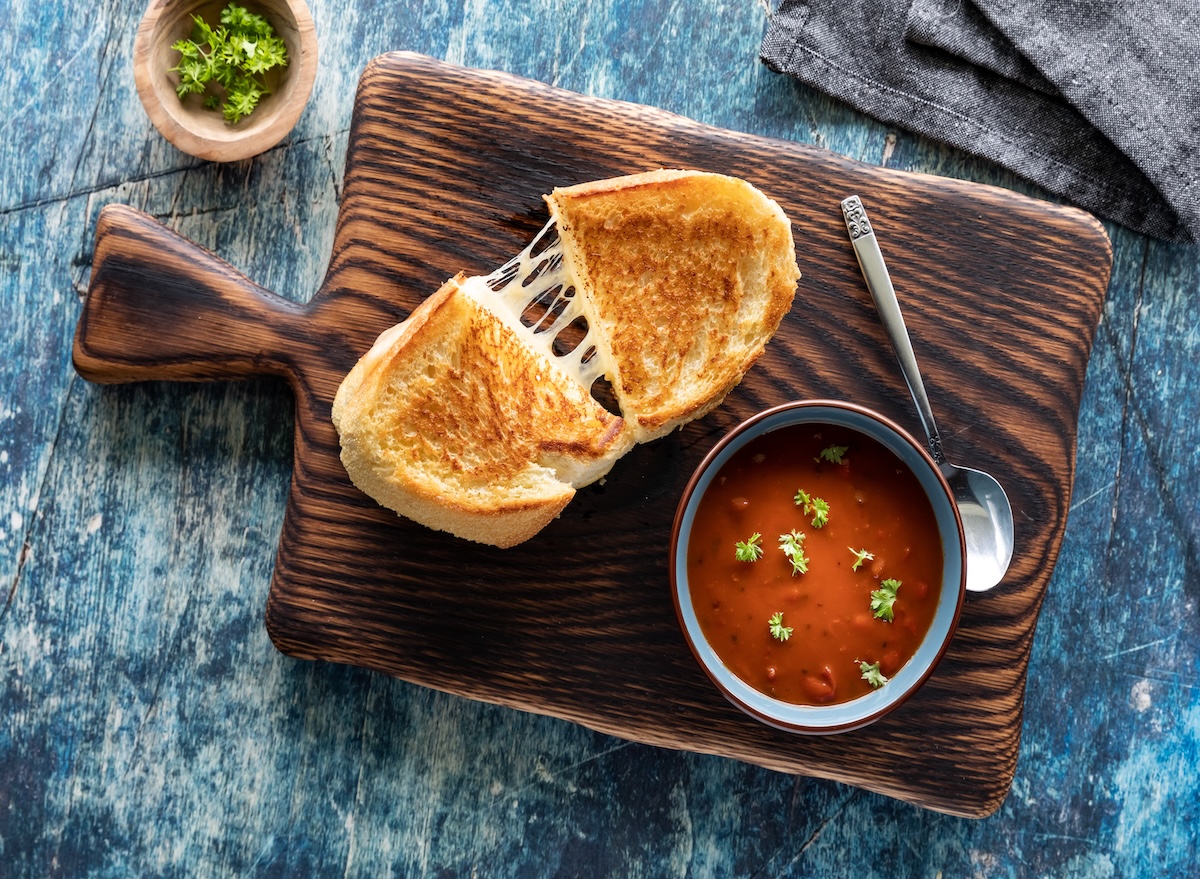
Closely intertwined with the casserole’s rise was the ubiquitous presence of Campbell’s Soup in American pantries. More than just a standalone lunch item, these condensed soups, particularly Cream of Mushroom and Cream of Chicken, became foundational ingredients in countless recipes throughout the 1960s. Their affordability, extended shelf life, and creamy consistency made them indispensable culinary shortcuts, transforming humble ingredients into flavorful, cohesive dishes. Beyond their role as a recipe enhancer, a simple bowl of Campbell’s Tomato Soup paired with a grilled cheese sandwich represented the epitome of comfort and warmth for many families. This classic combination, often prepared with traditional cheddar or Colby Jack cheese rather than processed alternatives, remains a cherished meal for its straightforward satisfaction. The brand’s distinctive red and white labels, famously immortalized by Andy Warhol, solidified its status as an icon of American consumer culture, reflecting a broader societal embrace of accessible, mass-produced foodstuffs that simplified daily life.
The 1960s also marked a significant turning point in the landscape of prepared meals with the widespread adoption of TV Dinners. These pre-portioned, frozen meals, typically served in compartmentalized aluminum trays, revolutionized weeknight dining by offering unprecedented convenience. Coinciding with the rise of television as a central fixture in American homes, these dinners allowed individuals and families to enjoy a hot meal with minimal effort, often right in front of the new "idiot box." While perhaps not celebrated for gourmet quality, TV dinners offered a complete meal solution, commonly featuring Salisbury steak, mashed potatoes, and corn, often with a small dessert section that required careful handling to avoid "chocolate soup." They represented a bold step into the future, a symbol of modernity and a break from the labor-intensive cooking of previous generations. Despite their initial novelty and later criticisms regarding nutritional content, the concept of the frozen, ready-to-heat meal has endured, evolving into a diverse market that continues to cater to the demands of busy modern lifestyles, albeit with vastly improved quality and variety.
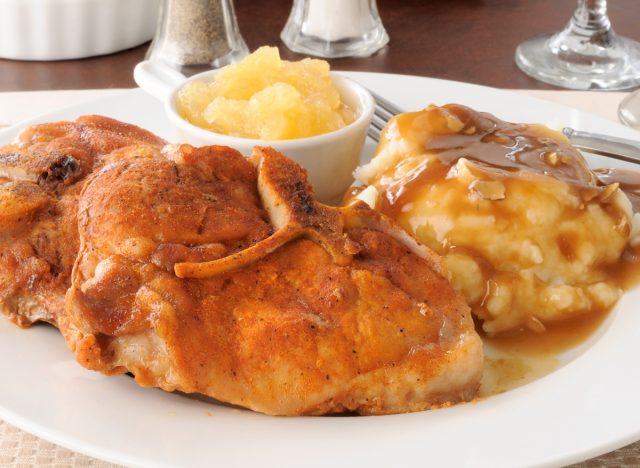
Moving from convenience back to more traditional main courses, Pork Chops and Applesauce emerged as a popular and economical choice for dinner tables. Pork, often marketed as "the other white meat," provided a versatile and affordable protein alternative to chicken or beef. The classic pairing of savory pork chops with the sweet, tart notes of applesauce is a culinary tradition rooted in practical wisdom, as the fruit’s acidity helps cut through the richness of the pork. This combination became a regular fixture in many households, embodying a simple, wholesome approach to family meals. Whether pan-fried, baked, or grilled, pork chops were easy to prepare, and applesauce, whether homemade or store-bought, added a complementary flavor and moisture that elevated the dish. This enduring duo continues to be a favorite, appealing to those who appreciate straightforward, comforting flavors and the nostalgic echoes of home-cooked meals.
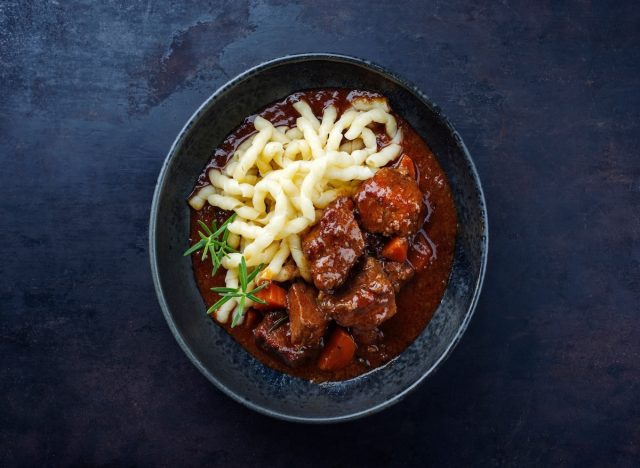
Another hearty and economical dish that maintained a strong presence in 1960s kitchens was Goulash. While its roots are deeply embedded in Central and Eastern European culinary traditions, American goulash often took on a distinctly simplified, comforting form, frequently featuring ground beef, elbow macaroni, and a rich tomato-based sauce. It was a perfect example of how immigrant cuisines were adapted and embraced into the American mainstream, becoming a staple for its ability to be both satisfying and budget-friendly. This one-pot wonder offered a delicious way to incorporate protein and vegetables into a single, warming meal, making it an ideal choice for busy homemakers. The dish’s robust flavors and tender ingredients created a sense of home and familiarity, often described as a "warm hug" in culinary form. Its enduring appeal lies in its simplicity, heartiness, and the deep sense of comfort it provides, making it a perennial favorite for many who grew up enjoying its distinct taste.
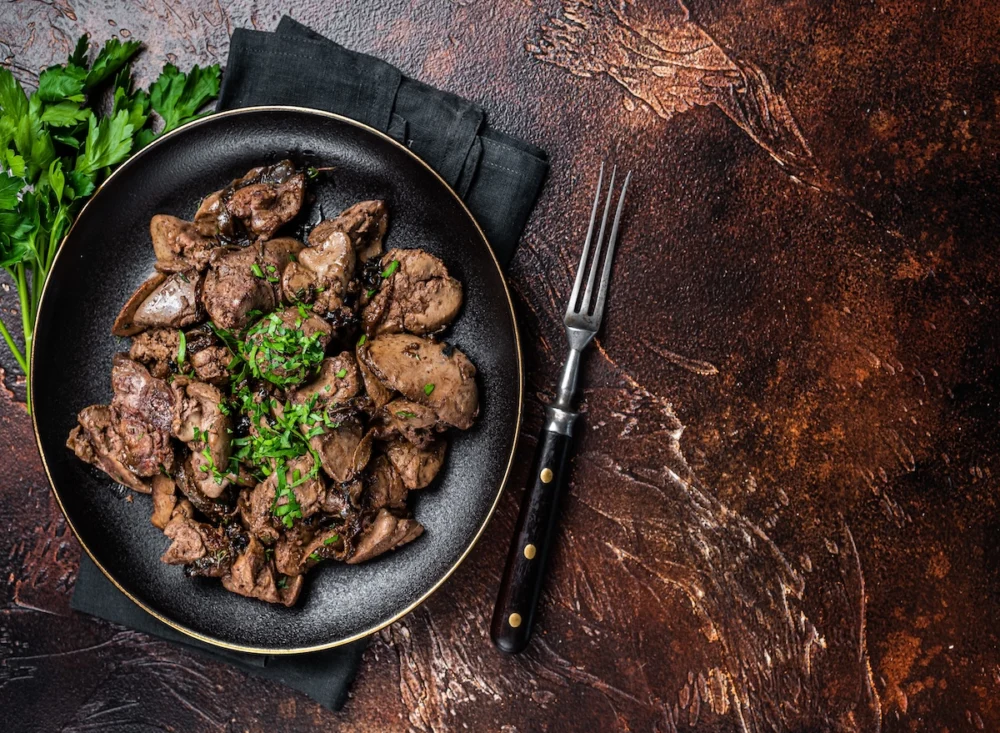
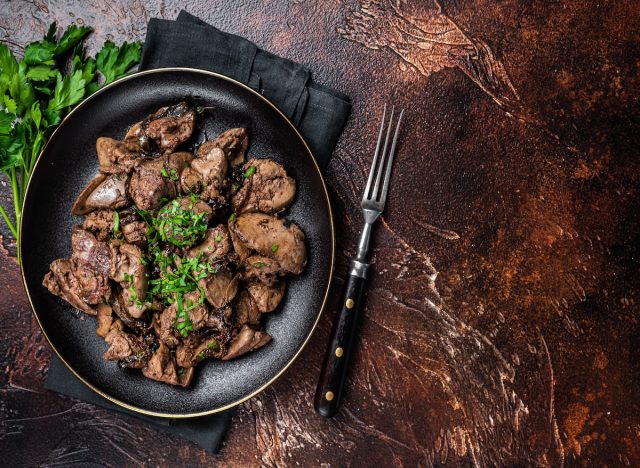
For those with a more adventurous palate or a keen eye for economy, Liver and Onions was a surprisingly common dish on 1960s dinner tables. In an era where "nose-to-tail" eating was more prevalent and waste was minimized, liver was prized for its nutritional value and affordability. Typically prepared by pan-frying slices of beef or calf liver until tender, then smothering them in caramelized onions, this meal represented a no-frills, protein-rich option. While its strong, distinct flavor profile made it somewhat divisive even then, it held a firm place in the culinary rotation for many families, often served with plain white bread. This simple, unadorned meal evokes a particular brand of nostalgia for those who grew up with it, recalling a time when ingredients were chosen for their practical benefits as much as their taste. Though less common in contemporary mainstream cuisine, liver and onions retains a dedicated following, particularly among those seeking traditional, nutrient-dense foods.
Finally, no discussion of 1960s cuisine would be complete without mentioning the iconic and often eccentric Jell-O Molds and Salads. Jell-O, a gelatin dessert, experienced a golden age of creativity and ubiquitous presence in mid-century American dining. Fueled by clever marketing and a fascination with convenience and novel textures, home cooks experimented endlessly, creating elaborate, often perplexing, gelatin molds. These "salads" frequently incorporated an eclectic mix of ingredients, from shredded carrots, pineapple, and raisins to more unusual additions like cottage cheese, olives, or even savory elements, often topped with a dollop of mayonnaise or Miracle Whip and a sprinkle of shredded cheddar cheese. While many modern palates might find these combinations startling, they were a testament to the era’s culinary adventurousness and the desire to present food in visually striking, albeit sometimes strange, ways. Jell-O molds were a staple at family gatherings, holiday tables, and community events, symbolizing a playful, experimental spirit in the kitchen. Today, while the savory Jell-O salad might be viewed as kitschy, the enduring appeal of gelatin in its simpler, sweet forms remains, serving as a nostalgic reminder of a uniquely American culinary phase.
The foods that captivated the American palate in the 1960s, from the hearty casserole to the whimsical Jell-O mold, offer a vivid snapshot of a transformative decade. They reflect a society balancing the comfort of tradition with the allure of modern convenience, all while navigating economic realities and evolving family structures. These dishes, whether embraced for their efficiency, affordability, or sheer deliciousness, have carved out an indelible place in the nation’s culinary memory. Their enduring presence in family recipes, restaurant menus, and cultural conversations underscores the powerful connection between food, memory, and the shared human experience, proving that some tastes, truly, are timeless.
About the Author










