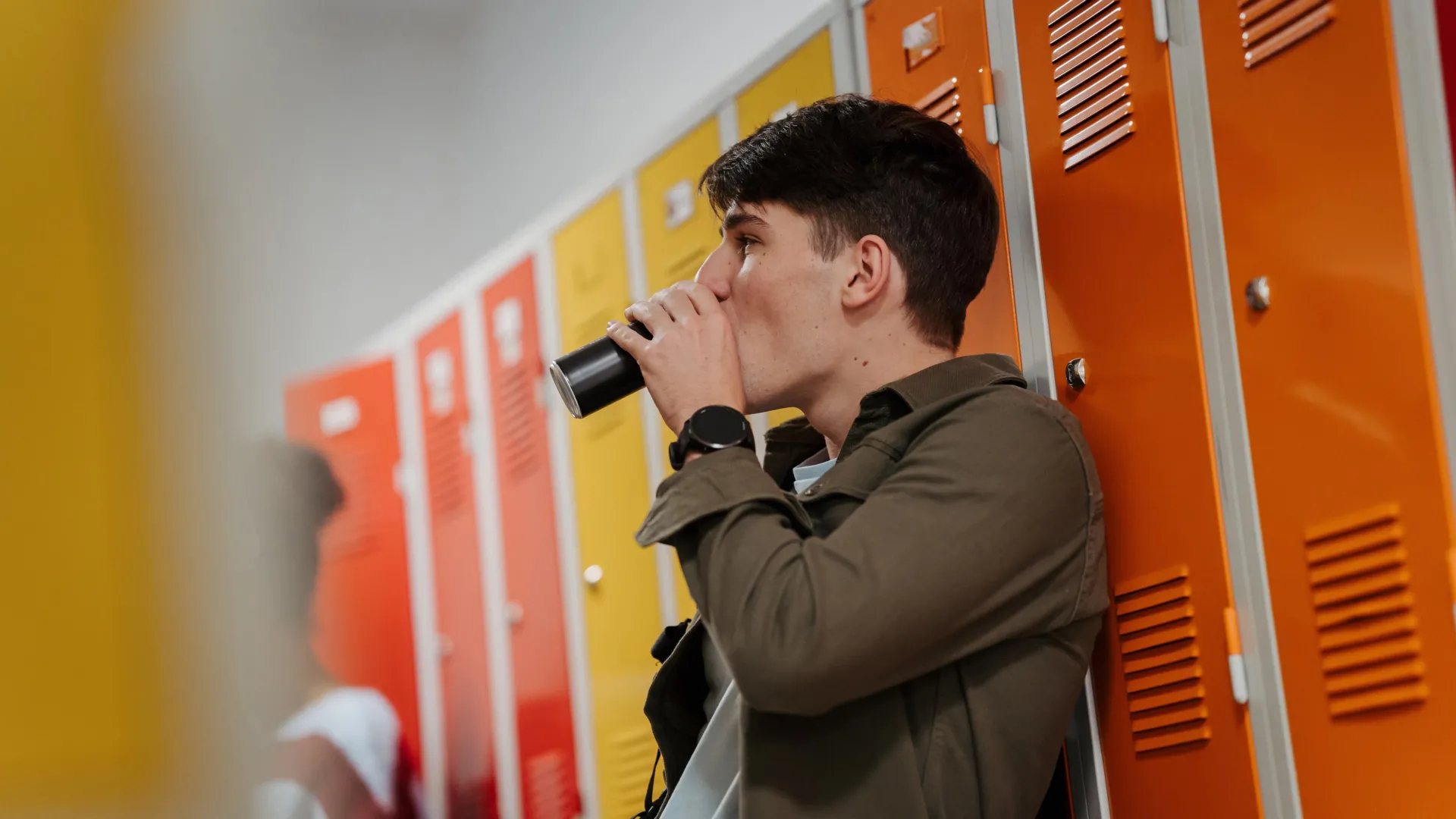
A comprehensive meta-analysis undertaken by academics from Bournemouth University, in collaboration with international researchers, has illuminated a significant and consistent correlation between the regular consumption of beverages laden with added sugars and the prevalence of anxiety-related symptoms among adolescents. This extensive review, which synthesized findings from numerous prior investigations into dietary patterns and psychological well-being in young people, was meticulously published in the esteemed Journal of Human Nutrition and Dietetics. The research team aimed to discern any recurring patterns or associations that emerged across diverse demographic groups of adolescents, thereby providing a more robust understanding of the complex interplay between nutrition and mental health.
In an era marked by growing awareness of the multifaceted challenges facing adolescent nutrition, public health discourse has predominantly centered on the tangible physical ramifications of suboptimal dietary choices. Initiatives have largely prioritized addressing issues such as the escalating rates of obesity and the burgeoning incidence of type-2 diabetes, both of which are undeniably critical public health concerns. However, Dr. Chloe Casey, a Lecturer in Nutrition and a contributing author to the study, articulated that the psychological dimensions of diet have, by comparison, remained a relatively less explored frontier. This oversight is particularly pronounced when considering beverages that, while calorically dense, offer scant nutritional value, a characteristic shared by many popular sugary drinks. The profound impact of these ingestibles on mental health, especially during the formative years of adolescence, warrants a more dedicated examination.
Anxiety disorders represent a formidable and persistent challenge within the landscape of youth mental health, affecting a substantial proportion of the global adolescent population. Statistics from 2023 indicated that approximately one in every five children and adolescents was navigating the complexities of a diagnosed mental health disorder, with anxiety emerging as one of the most frequently reported conditions. This pervasive issue underscores the urgent need to identify and address all potential contributing factors, including those rooted in lifestyle and dietary habits.
The empirical foundation of this meta-analysis was built upon survey data, a methodology employed across the constituent studies to quantify both the intake of sugar-sweetened beverages and the manifestation of mental health indicators. The spectrum of beverages categorized as high in sugar is broad and encompasses a wide array of commonly consumed products. This includes, but is not limited to, carbonated soft drinks, potent energy drinks, fruit juices with added sweeteners, concentrated fruit squashes, sweetened teas and coffees, and flavored milk beverages. These drinks, often readily accessible and heavily marketed to young people, represent a significant source of added sugars in many adolescent diets.
Across the tapestry of research that was meticulously examined, a clear and convergent trend became apparent. Consistently, a higher frequency of consumption of these sugar-laden beverages was found to be associated with a greater self-reporting of anxiety symptoms among adolescent participants. This observed association, while compelling, necessitates careful interpretation, as the researchers themselves emphatically caution against equating correlation with causation.
It is crucial to acknowledge that the design of the reviewed studies, predominantly relying on observational data, inherently limits the ability to establish a definitive cause-and-effect relationship. The observed link does not conclusively prove that consuming sugary drinks directly triggers or exacerbates anxiety. An alternative, equally plausible explanation is that adolescents who are already predisposed to or experiencing anxiety may, in turn, seek out or consume more sugary drinks. This behavior could be an attempt to self-soothe, to seek a temporary mood lift, or due to other psychological factors associated with their condition.
Furthermore, the possibility of confounding variables influencing both dietary habits and mental health outcomes cannot be discounted. A multitude of shared underlying influences could contribute to the observed patterns. These may include, but are not limited to, familial circumstances, socioeconomic status, sleep disturbances, or broader lifestyle factors. For instance, adolescents experiencing family stress or difficulties with sleep might exhibit both increased consumption of comfort foods and beverages, including those high in sugar, and a heightened susceptibility to anxiety. Such shared environmental or biological factors could independently contribute to both increased sugar intake and the development or intensification of anxiety symptoms, creating an indirect link rather than a direct causal pathway.
Dr. Casey reiterated the nuanced interpretation of the findings, stating, "Whilst we may not be able to confirm at this stage what the direct cause is, this study has identified an unhealthy connection between consumption of sugary drinks and anxiety disorders in young people." This statement highlights the significance of identifying potentially modifiable lifestyle factors that could play a role in adolescent mental health trajectories, even in the absence of a fully elucidated causal mechanism.
The observed rise in anxiety disorders among adolescents in recent years has been a subject of considerable concern within public health and clinical psychology circles. This trend underscores the imperative to proactively identify and address modifiable lifestyle habits that may contribute to this concerning increase. By pinpointing dietary components, such as excessive sugar-sweetened beverage intake, that are linked to heightened anxiety risk, interventions can be developed to promote healthier dietary patterns and potentially mitigate the escalating rates of this prevalent mental health challenge. The research team emphasized that understanding these associations is a critical first step towards developing targeted strategies for prevention and support.
The intellectual leadership for this significant undertaking was provided by Dr. Karim Khaled, a former PhD student at Bournemouth University who has since transitioned to a research position at the Lebanese American University in Beirut. His dedicated work in orchestrating this comprehensive review has contributed valuable insights into a critical area of adolescent health.
About the Author