A groundbreaking scientific endeavor has opened a new frontier in understanding and potentially treating complex psychiatric conditions like schizophrenia and bipolar disorder. Researchers have successfully cultivated minute, pea-sized cerebral models in laboratory settings, which are now providing an unparalleled window into the distinctive behaviors of neurons associated with these conditions. These two prevalent mental health disorders impact millions globally, yet their definitive diagnosis remains elusive due to a limited grasp of their intricate molecular underpinnings. The profound insights gleaned from this work hold the promise of significantly mitigating diagnostic inaccuracies and refining treatment protocols in the realm of mental healthcare. Currently, the identification of many psychiatric illnesses largely relies on subjective clinical assessments, often leading to a protracted trial-and-error approach when determining appropriate pharmacological interventions. The seminal findings of this study were recently disseminated in the esteemed journal APL Bioengineering.
The global burden of schizophrenia and bipolar disorder is immense, characterized by profound disruptions in thought, mood, and behavior. Schizophrenia often manifests with symptoms such as hallucinations, delusions, and disorganized thinking, while bipolar disorder is marked by extreme shifts in mood, energy, and activity levels. Despite decades of research, diagnosing these conditions objectively has presented a formidable challenge. Unlike many other medical ailments where specific biological markers or definitive laboratory tests exist, psychiatric diagnoses have historically been anchored in symptom presentation, patient interviews, and clinical observation. This subjective nature frequently leads to delays in accurate diagnosis, misdiagnoses, and prolonged periods of ineffective treatment as clinicians cycle through various medications to find one that offers relief.
Annie Kathuria, a distinguished biomedical engineer at Johns Hopkins University and the principal investigator of this pioneering study, underscored the inherent difficulty in diagnosing these complex brain disorders. "Schizophrenia and bipolar disorder are notoriously challenging to pinpoint because there isn’t a single, clearly identifiable brain region that consistently exhibits overt pathology, nor are there specific enzymatic anomalies, unlike in certain other neurological conditions," she explained. Kathuria drew a parallel to Parkinson’s disease, where diagnostic and treatment strategies can, to some extent, be guided by dopamine levels, even though a definitive cure for Parkinson’s still eludes medical science. The ambitious vision for this research extends beyond mere diagnosis. "Our ultimate aspiration is that these brain organoids will not only facilitate the confirmation of a patient’s diagnosis as schizophrenic or bipolar but also serve as a personalized platform for drug screening, allowing us to identify optimal drug concentrations that could guide individuals back to a state of neural health," Kathuria elaborated.
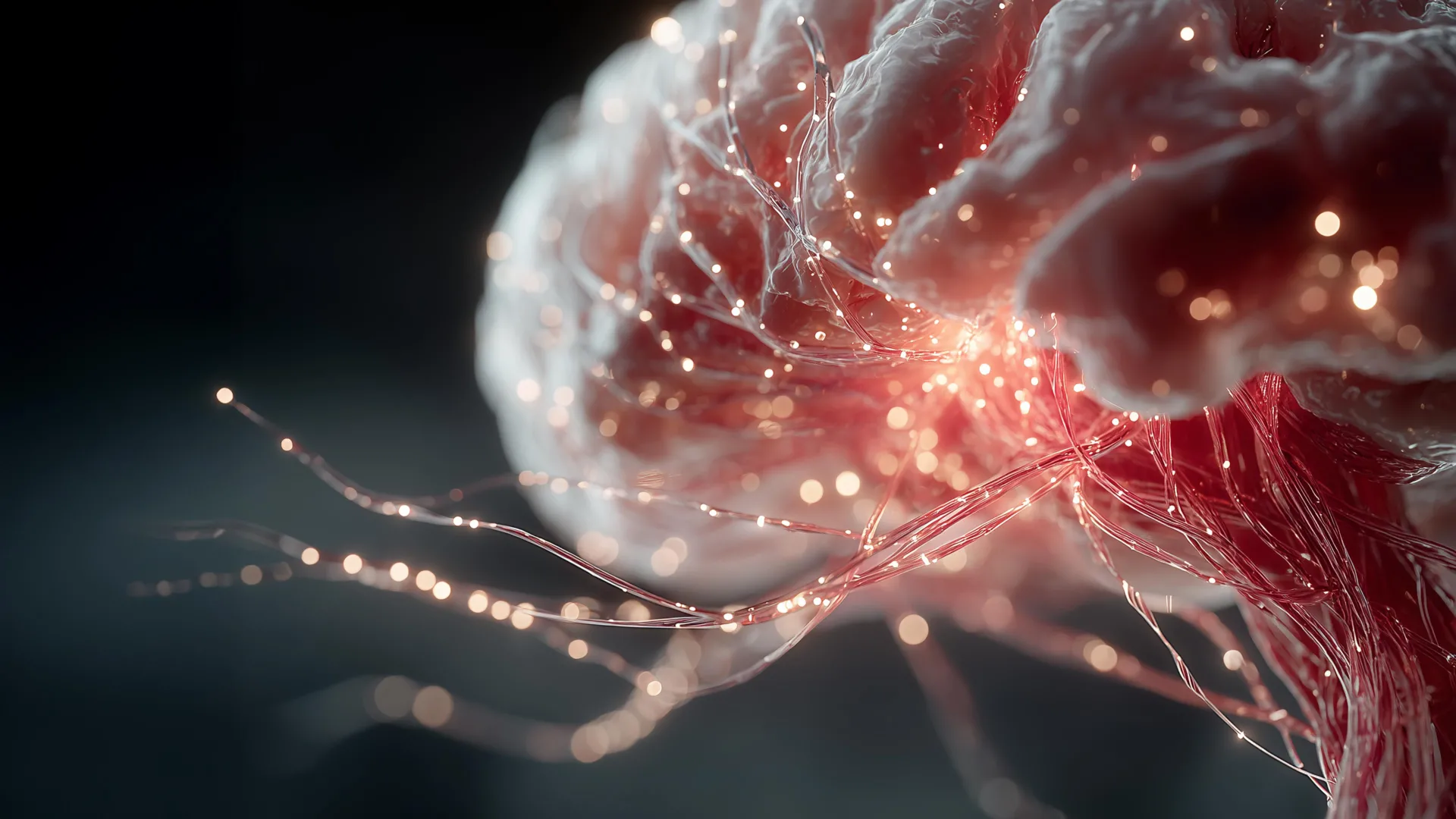
To embark on this ambitious investigation, Kathuria’s research collective meticulously engineered cerebral organoids, which are essentially simplified, three-dimensional cellular constructs designed to mimic the architecture and function of actual human organs. The intricate process commenced with the acquisition of biological samples – specifically, blood and skin cells – from individuals diagnosed with schizophrenia, those with bipolar disorder, and a control group of healthy participants. These somatic cells then underwent a sophisticated reprogramming process, transforming them into induced pluripotent stem cells (iPSCs). This remarkable cellular transformation endows the iPSCs with the extraordinary capacity to differentiate into virtually any cell type in the human body, including the specialized neurons and glial cells that constitute brain-like tissue.
Once the iPSCs were successfully generated, the team carefully guided their differentiation and self-organization into nascent cortical structures. These developing organoids were meticulously nurtured in a controlled environment, eventually maturing into spherical entities approximately three millimeters in diameter. Crucially, these lab-grown models were designed to recapitulate key aspects of the human brain’s prefrontal cortex, a region renowned for its pivotal role in higher-order cognitive functions such as planning, decision-making, and social behavior. Furthermore, the mini-brains demonstrated the ability to produce myelin, the fatty substance that insulates nerve fibers and significantly enhances the efficiency and speed of electrical signal transmission throughout the nervous system. The presence of these diverse neural cell types and myelin within the organoids underscored their fidelity as experimental models.
The next critical phase of the study involved an in-depth analysis of the electrical activity emanating from these neural organoids. Neurons, the fundamental units of the brain, communicate through a complex symphony of brief electrical impulses, often referred to as action potentials or "spikes." To meticulously record and decipher these intricate neural conversations, the researchers ingeniously positioned the organoids onto specialized microchips embedded with multi-electrode arrays (MEAs). These MEAs, arranged in a precise grid-like configuration, functioned akin to a microscopic electroencephalogram (EEG), a standard clinical tool used to measure brain activity in human patients. This sophisticated setup enabled the systematic collection of vast datasets detailing the electrical firing patterns of individual neurons and the emergent network activity within the organoids.
The sheer volume and complexity of the electrophysiological data necessitated the application of advanced computational techniques. Kathuria’s team leveraged cutting-edge machine learning algorithms to process and analyze the electrical activity profiles generated by the mini-brains. The objective was to discern subtle yet significant patterns within these electrical signals that could be unambiguously linked to either healthy brain function or the aberrant neural activity characteristic of schizophrenia and bipolar disorder.
Through rigorous analysis, the scientists made a groundbreaking discovery: specific characteristics of the organoids’ electrical behavior served as reliable biomarkers for schizophrenia and bipolar disorder. These distinct electrophysiological signatures encompassed unusual firing spikes, altered timing sequences, and nuanced changes across multiple electrical parameters, creating a unique fingerprint for each condition. The precision of these findings was remarkable; utilizing only these electrical signals, the researchers were able to accurately determine which organoids originated from affected patients 83% of the time. This impressive diagnostic accuracy further improved to an astonishing 92% when the tissue received gentle electrical stimulation, a technique designed to amplify neural activity and reveal more subtle differences.
"At a molecular level, we can now precisely identify what goes awry during the development of these lab-grown brains," Kathuria affirmed. "Based on these unique electrophysiology signatures, we are able to clearly differentiate between organoids derived from a healthy individual, a patient with schizophrenia, or a patient with bipolar disorder." She further emphasized the comparative nature of their approach: "We systematically track the electrical signals produced by neurons throughout their developmental trajectory, juxtaposing them against the activity patterns observed in organoids originating from individuals without these specific mental health disorders."
While the current study involved a relatively modest sample size of 12 patients, Kathuria expressed strong conviction that these compelling results lay the foundation for meaningful and transformative clinical applications. The potential for these organoids to serve as a personalized drug testing platform before medications are ever administered to human patients represents a paradigm shift in psychiatric care. The traditional "trial-and-error" method of prescribing psychiatric drugs can be a lengthy and distressing process, often extending over six to seven months as clinicians strive to identify the most effective medication and dosage. This iterative approach not only delays symptom relief but can also expose patients to adverse side effects from ineffective drugs.
In a collaborative effort aimed at translating these laboratory findings into tangible patient benefits, Kathuria’s team is actively engaging with neurosurgeons, psychiatrists, and neuroscientists at the prestigious Johns Hopkins School of Medicine. This interdisciplinary collaboration is focused on expanding the scope of their research by collecting additional blood samples from a larger cohort of psychiatric patients. The objective is to conduct comprehensive studies on how varying concentrations of different pharmaceutical agents impact the electrical activity within the organoids. The researchers harbor a strong belief that even with a carefully selected, expanded number of samples, they may soon be able to propose individualized medication doses that are tailored to restore healthier neural patterns in specific patients.
Kathuria highlighted the inefficiencies of current treatment approaches: "The prevailing method for prescribing these drugs involves a prolonged trial-and-error period, which can take half a year or more to pinpoint the correct medication." She cited clozapine, a commonly prescribed antipsychotic for schizophrenia, noting that "approximately 40% of patients exhibit resistance to clozapine." The potential of organoid technology to circumvent this lengthy and often frustrating period is immense. "With our organoids, we might eliminate the need for that extended trial-and-error phase. Perhaps we can guide patients to the most effective drug much sooner, thereby accelerating their path to recovery and improving their quality of life," she concluded with optimism.
This pioneering research marks a pivotal moment in the quest for precision psychiatry. By providing objective, measurable biomarkers and a personalized platform for drug screening, the development of neural organoids promises to fundamentally reshape the diagnosis and treatment of schizophrenia and bipolar disorder, moving beyond symptomatic management towards biologically informed, individualized therapeutic strategies.
About the Author