Groundbreaking scientific inquiry from the University of Victoria (UVic) is illuminating a potential therapeutic avenue that could simultaneously address the complex challenges of gastrointestinal permeability, colloquially known as "leaky gut," and the debilitating symptoms of severe depression. Published in the esteemed journal Chronic Stress, this research identifies a crucial protein, Reelin, and its significant role in potentially restoring a compromised intestinal barrier while concurrently mitigating the neurobiological underpinnings of depressive states. This revelation suggests that a single injectable intervention might offer a multifaceted approach to conditions that have long been understood as interconnected yet treated largely in isolation.
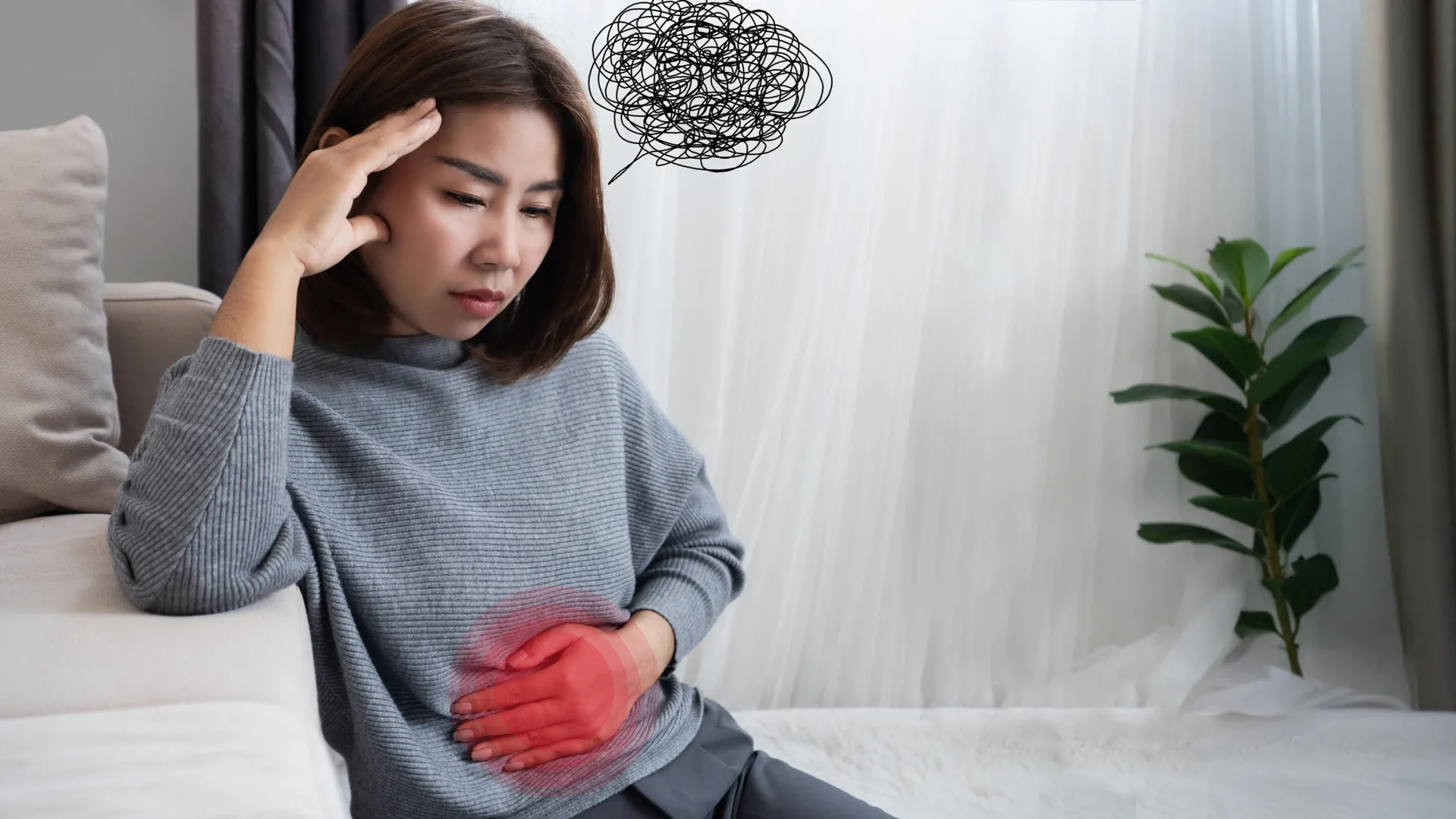
The human gastrointestinal system, a sophisticated network encompassing the stomach, colon, and intestines, functions as a highly selective gateway, meticulously controlling the passage of nutrients from ingested food into the bloodstream. This critical function is essential for maintaining overall health and preventing the entry of undesirable substances. However, prolonged exposure to stressors, a state often termed chronic stress, can profoundly disrupt this delicate equilibrium. Conditions such as major depressive disorder (MDD) are frequently associated with such persistent stress, leading to a gradual deterioration of the intestinal lining. This compromised barrier becomes abnormally porous, allowing the unintended translocation of bacteria, toxins, and other inflammatory agents from the gut lumen into the systemic circulation. The body’s immune system, encountering these translocated entities, can initiate an inflammatory cascade. This inflammation is not confined to the gut; it can have far-reaching effects, including exacerbating the neurochemical imbalances and inflammatory processes implicated in depression, thereby creating a vicious cycle where gut dysfunction amplifies mental health challenges. Consequently, interventions aimed at reinforcing the gut barrier hold significant promise for reducing the incidence and severity of MDD.
The research team, led by Professor Hector Caruncho of UVic’s Department of Medical Sciences, posits that therapies centered on the protein Reelin could represent a novel paradigm for managing both gut health and brain function, particularly within the context of the burgeoning field of the gut-brain axis. Reelin is a naturally occurring glycoprotein present in various tissues throughout the body, including the central nervous system, circulatory system, liver, and the intestinal tract. Its ubiquitous presence suggests a broad spectrum of physiological roles. Professor Caruncho emphasized the study’s specific objective: "This study aimed to understand the role of Reelin in the gut, especially under conditions of chronic stress," he stated. "The gut-brain axis is becoming essential to understanding many psychiatric disorders, including depression." This focus underscores the growing recognition that mental health is intrinsically linked to physiological processes occurring far beyond the brain itself.
Through meticulous preclinical investigations utilizing animal models, the researchers observed a distinct pattern: chronic stress was consistently associated with a reduction in Reelin levels within the intestinal tissues. This finding was particularly compelling, as it provided a direct molecular link between stress and a compromised gut environment. The subsequent intervention phase of the study yielded even more remarkable results. A single administration of a small dose – precisely 3 micrograms – of Reelin via injection was sufficient to restore intestinal Reelin levels to their normal physiological range. This suggests a potent restorative capacity of the protein, even after significant stress-induced depletion.
The implications of these findings are amplified by existing scientific literature concerning Reelin and its connection to depression. Prior investigations have already established a correlation between lower Reelin concentrations in the brains of individuals diagnosed with major depressive disorder and a similar reduction observed in rodent models subjected to chronic stress paradigms. Crucially, in those same animal subjects, a single intravenous injection of Reelin at the aforementioned 3 microgram dosage demonstrated significant antidepressant-like effects. Furthermore, foundational research has indicated Reelin’s indispensable role in the normal regenerative processes of the intestinal lining. Ciara Halvorson, a neuroscience PhD candidate at UVic and the study’s lead author, elaborated on the collective significance of these observations: "Taken together, these results may have important implications for the management of major depressive disorder," she commented. "This is especially true for people who live with both depression and gastrointestinal conditions." This statement highlights the potential for Reelin-based therapies to offer relief to a patient population that often experiences a dual burden of physical and mental health challenges, for whom current treatment options may be insufficient.
The gut lining is characterized by an exceptionally rapid rate of cellular turnover, with epithelial cells being replenished approximately every four to five days under normal physiological conditions. This remarkable regenerative capacity is a vital defense mechanism, given the gut’s constant exposure to a barrage of potentially damaging substances, including ingested chemicals, digestive enzymes, and the resident microbial population. Reelin’s involvement in this renewal process is a key area of interest. The hypothesis emerging from this research is that Reelin actively supports the integrity and efficient regeneration of the gut epithelium. By bolstering this protective barrier, Reelin may indirectly shield the body from the inflammatory consequences of a permeable gut. As Halvorson articulated the potential mechanism, "If Reelin protects against leaky gut by supporting the renewal of the gut lining, Reelin may thereby protect against the worsening of depression symptoms triggered by inflammatory immune responses to leaked gut material." This intricate interplay underscores the profound connection between gut health and neurological well-being, mediated by inflammatory pathways.
While these findings represent a significant leap forward and offer a compelling rationale for further investigation, the researchers are clear that clinical applications are not yet imminent. Substantial additional research and rigorous testing are imperative before Reelin-based therapeutic interventions can be considered for human use in clinical settings. Nevertheless, the current data points toward a promising and innovative therapeutic strategy. By targeting a molecule that appears to influence both the physical integrity of the gut and the neurobiological correlates of mood, Reelin-based treatments could eventually provide a more holistic and effective approach to managing major depressive disorder, particularly for individuals whose conditions are intertwined with gastrointestinal disturbances. This research was generously supported by grants from the Canadian Institutes of Health Research (CIHR) and the Natural Sciences and Engineering Research Council of Canada (NSERC), underscoring the national commitment to advancing our understanding of complex health conditions.
About the Author