The culinary landscape is replete with dishes that evoke comfort and profound satisfaction, yet few possess the universally cherished appeal of meticulously braised beef. This ancient cooking method transforms humble cuts of meat into masterpieces of tenderness and deep flavor, a testament to the magic of time and controlled heat. While many establishments offer variations of this classic, discerning palates, especially those of seasoned culinary professionals, are quick to distinguish between the merely good and the truly exceptional. A recent inquiry sought to identify a standout, turning to Thomas Odermatt, a distinguished butcher and chef, known for his ventures Roli Roti Food Trucks and Butcher’s Bone Broth, for his expert recommendation on where to experience braised beef at its pinnacle.
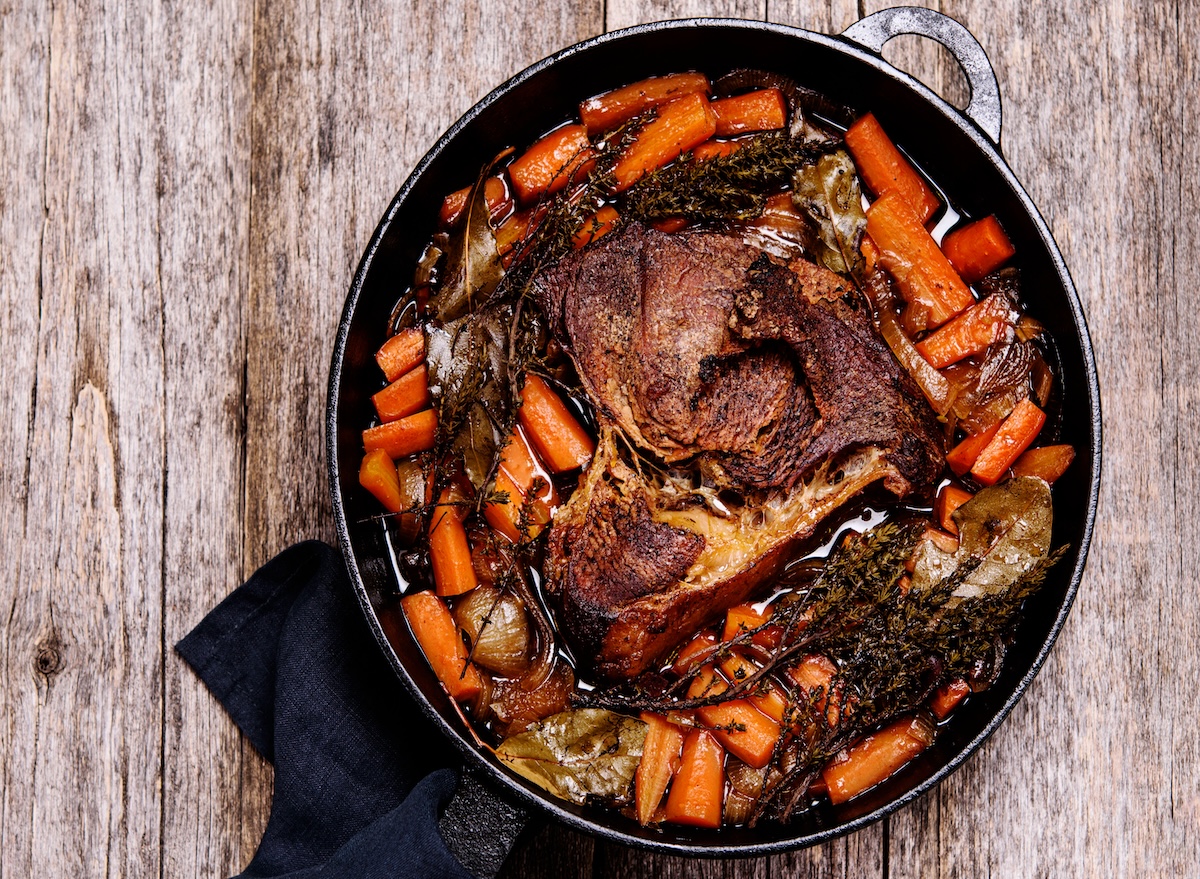
Braising, a technique revered across diverse culinary traditions, involves a two-stage process designed to coax maximum flavor and tenderness from typically tougher, yet more flavorful, cuts of meat. The journey begins with a robust searing of the beef, a crucial step that initiates the Maillard reaction. This chemical process creates a rich, browned crust, sealing in natural juices and developing complex savory notes that form the foundational layer of the dish’s flavor profile. Following this initial browning, the meat is gently submerged in a modest quantity of aromatic liquid—often a blend of broth, wine, or even beer—alongside an array of vegetables such as onions, carrots, and celery, and fragrant herbs like thyme and bay leaf. This ensemble is then enveloped within a covered vessel, typically a Dutch oven or a slow cooker, and subjected to prolonged, low-temperature cooking, either on a stovetop or within an oven.
The scientific beauty of braising lies in its ability to break down collagen, the tough connective tissue prevalent in working muscles, into succulent gelatin. This transformation imbues the meat with an unparalleled, almost melting, texture and releases its inherent moisture, resulting in a dish that is both incredibly juicy and profoundly flavorful. The extended cooking period also allows the various components—the meat, the liquid, and the aromatics—to meld harmoniously, creating a rich, viscous sauce that is often considered as integral to the dish’s success as the beef itself. Chef Odermatt notes that while delicious year-round, these hearty preparations truly shine during the colder months, remarking, "A robust beef stew or beef braise is best enjoyed in late fall or deep winter, when a lingering chill makes a warm, hearty meal especially comforting." This seasonal preference underscores the dish’s inherent ability to provide warmth and sustenance, transforming it into a culinary embrace.
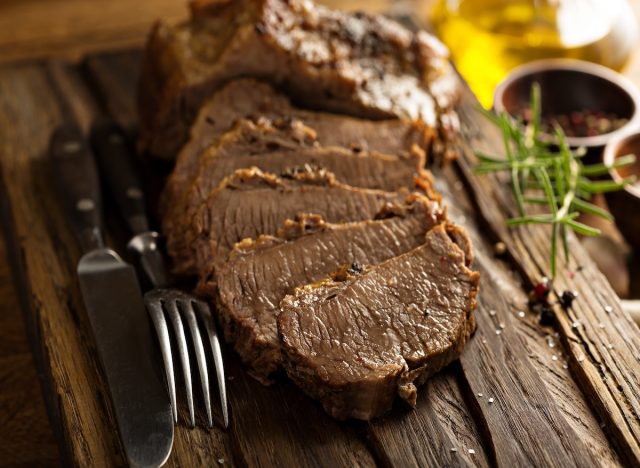
The selection of the appropriate cut of beef is paramount to achieving a superior braise. Cuts characterized by abundant connective tissue and good marbling are ideal candidates, as they benefit most from the slow, moist heat. These include popular choices such as chuck roast, brisket, short ribs, oxtail, and beef shank. Each of these cuts, though initially firm, possesses the latent potential for extraordinary tenderness and flavor when treated with patience and skill. The slow, gentle cooking process systematically dismantles the collagenous structures, rendering the meat incredibly tender while simultaneously enriching the accompanying sauce with deep, savory essences.
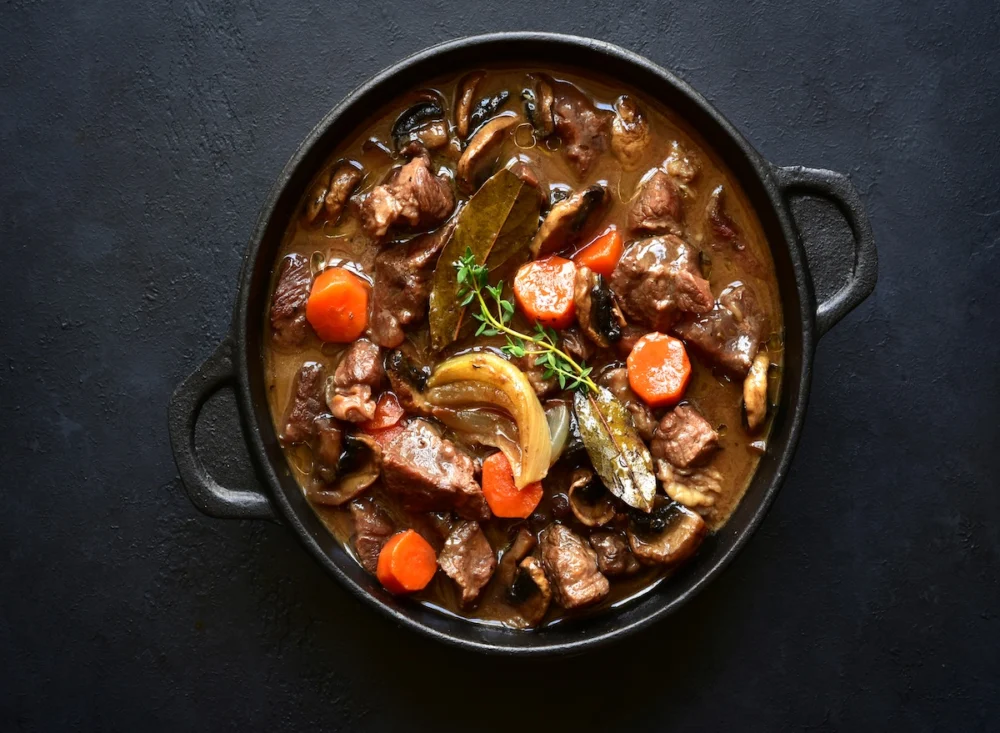
Among the myriad global iterations of braised beef, Beef Bourguignon stands as a quintessential French classic and a personal favorite of Chef Thomas Odermatt. Hailing from Burgundy, a region renowned for its exquisite wines, this dish perfectly encapsulates the philosophy of braising. It marries substantial pieces of beef with a robust red wine, often Burgundy itself, along with pearl onions, mushrooms, and lardon (cured pork belly). Its historical roots trace back to humble origins, as a method for rural French cooks to tenderize tough cuts of beef. However, it achieved international acclaim and widespread popularity, particularly in the United States, largely due to Julia Child’s detailed and accessible recipe in her seminal cookbook, "Mastering the Art of French Cooking." Odermatt champions Beef Bourguignon for its foundational flavors, stating, "Tomato and red wine are hallmark flavors of a great stew, and while there are countless recipes, one stands out above all: Beef Bourguignon, with its rich, flavorful, saucy base." This endorsement highlights the dish’s enduring appeal and its exemplary use of key braising components.
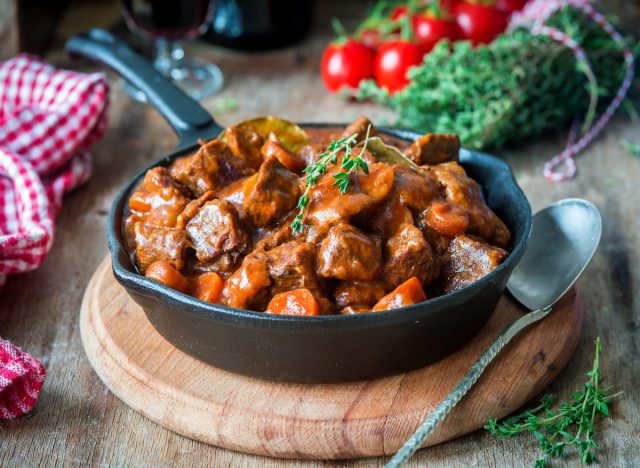
Crucial to the success of Beef Bourguignon, and indeed many braised dishes, is the careful selection of ingredients that contribute to its depth and character. Red wine, obviously, plays a starring role, lending acidity, fruitiness, and tannins that complement the richness of the beef. The choice of wine can significantly impact the final flavor profile; a dry, full-bodied red like Pinot Noir or Cabernet Sauvignon is typically preferred, mirroring the traditional Burgundy region’s offerings.
Beyond the wine, tomatoes offer a critical dimension. Chef Odermatt specifically advocates for the use of San Marzano tomatoes, particularly when fresh, seasonal options are unavailable. He explains their contribution: "Tomatoes help thicken the sauce and add a deep sweetness." He further elaborates on his preference, noting, "At this time of year, fresh tomatoes can be hit or miss, so I opt for canned San Marzano tomatoes rather than mealy, out-of-season ones." San Marzano tomatoes, cultivated in the volcanic soil near Mount Vesuvius in Italy, are celebrated for their elongated shape, sweet flavor, low acidity, and thick flesh, making them an unparalleled choice for sauces where their natural attributes can truly shine, even in their canned form. While traditional Beef Bourguignon often features chuck roast, Odermatt suggests an alternative that can elevate the dish further: "boneless short ribs yield a more succulent result." Short ribs, with their rich marbling and robust flavor, break down beautifully, contributing an extraordinary tenderness and richness that can indeed surpass other cuts.
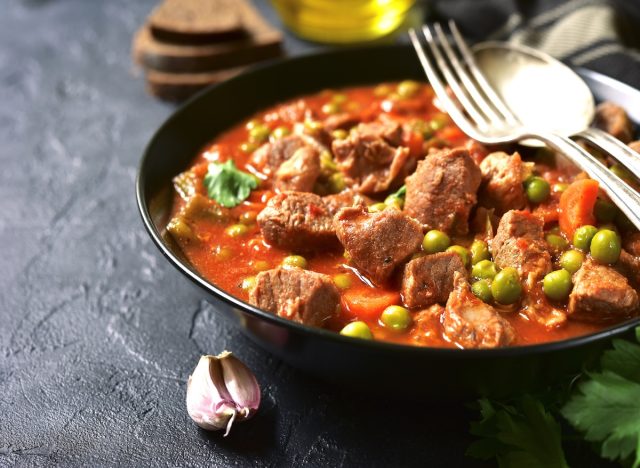
For those aspiring to create this culinary marvel at home or seeking to identify an authentically prepared version in a restaurant setting, Chef Odermatt offers valuable insights. The foundation of a successful braise, he emphasizes, often begins long before cooking. "Making a great Beef Bourguignon is not difficult—but half of this dish’s success comes from your butcher." He advises establishing a strong relationship with a skilled butcher and requesting "2-inch cubes cut from the chuck roll or short ribs." The presence of "nice marbling on the beef" is a non-negotiable indicator of quality, promising flavor and succulence.
Beyond the meat itself, the cooking process demands precision. While the beef requires extensive, slow cooking to achieve its desired tenderness, other components, such as potatoes and carrots, require significantly less time. To prevent them from becoming mushy and to preserve their distinct textures, Odermatt recommends cooking these vegetables separately and integrating them into the stew only once all elements have reached their optimal state. This meticulous approach ensures that each ingredient contributes its best, resulting in a dish where "the vegetables are tender yet perfectly al dente," a hallmark of expert execution. The three essential elements for this classic stew are perfectly braised beef, a deeply flavored sauce, and appropriately cooked vegetables. Once these components are masterfully prepared and combined, the result is a truly perfect winter stew, whether crafted in a home kitchen or a professional one.

When pressed to identify an establishment that consistently achieves this high standard, Chef Thomas Odermatt points to The French Laundry. Located in California’s renowned Napa Valley, The French Laundry is not merely a restaurant; it is a gastronomic institution. Under the visionary leadership of culinary icon Thomas Keller, it has earned a coveted three Michelin stars, a testament to its unwavering commitment to excellence, innovation, and impeccable service. While Beef Bourguignon may not be a permanent fixture on its ever-evolving daily menu, it makes frequent appearances, much to the delight of discerning patrons and industry experts like Odermatt. His praise for The French Laundry’s rendition is effusive, highlighting the exquisite balance and masterful execution: "The stew is cooked to perfection: the vegetables are tender yet perfectly al dente, and the sauce… well, the sauce is worth asking for extra bread just to mop it up."
This endorsement from a peer like Chef Odermatt speaks volumes about The French Laundry’s ability to elevate even a rustic dish like Beef Bourguignon to an art form. It underscores the profound difference that meticulous attention to sourcing, technique, and presentation makes. While the initial query might have implied a search within "chain restaurants," Odermatt’s response steers toward a singular establishment that defines culinary benchmark. The French Laundry, with its unparalleled reputation for refined American and French cuisine, exemplifies how dedication to craft and quality ingredients can transform a classic into an unforgettable dining experience, setting a standard for braised beef that resonates deeply with those who truly appreciate the art of cooking.
About the Author