A groundbreaking advancement in medical imaging, developed by a collaborative effort between Helmholtz Munich and the Technical University of Munich (TUM), promises to revolutionize the early detection of cardiovascular disease by visualizing the body’s most delicate blood vessels with unprecedented clarity, long before any outward signs of illness manifest. This innovative technology, dubbed "fast-RSOM," offers a non-invasive window into the intricate workings of the microvasculature, potentially empowering clinicians to intervene proactively, personalize therapeutic strategies, and ultimately foster improved long-term cardiac well-being.
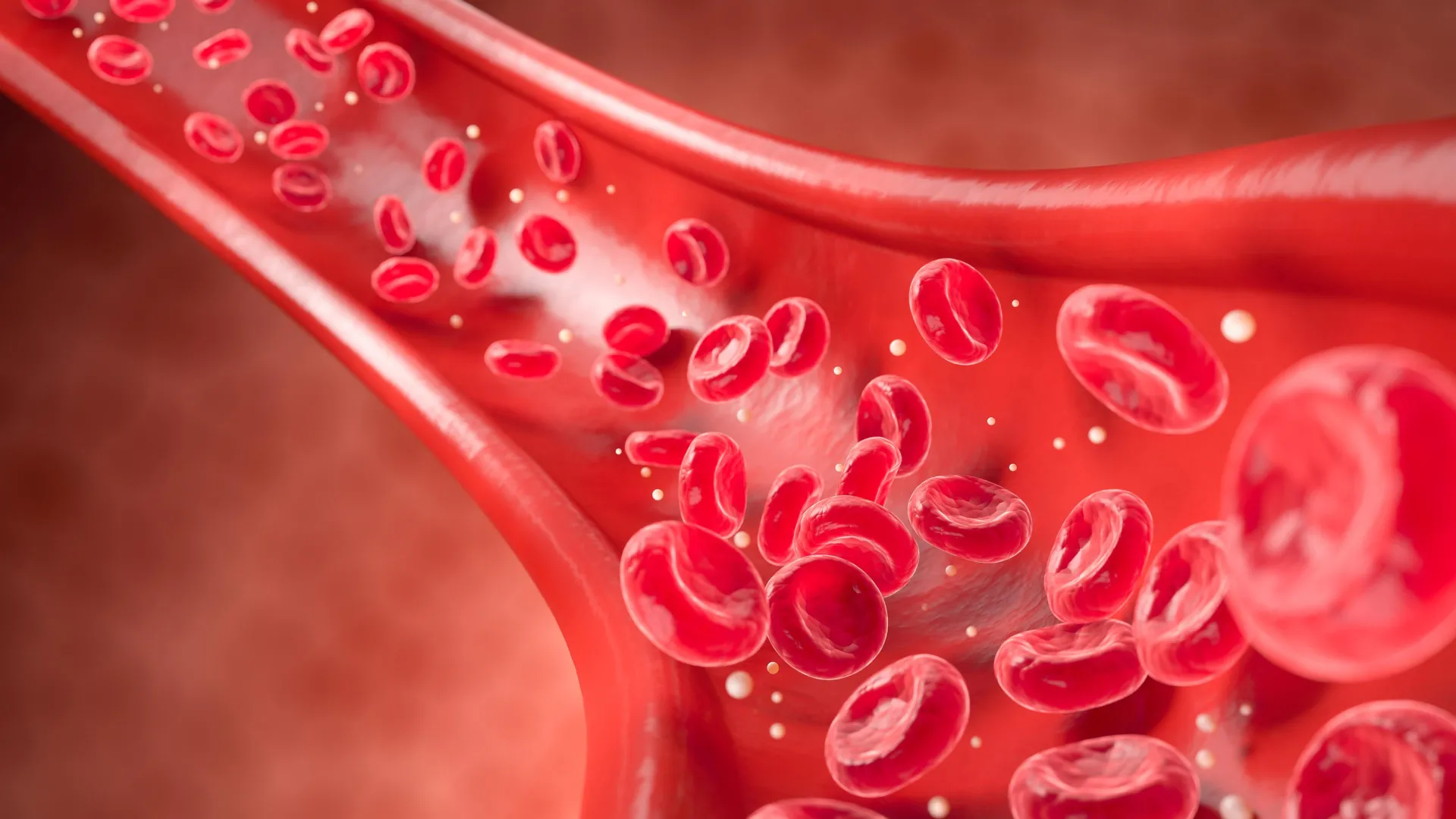
Cardiovascular ailments often originate subtly, beginning their insidious progression within the network of the body’s smallest arteries and veins. These initial stages are frequently characterized by microscopic anomalies in the vessels’ ability to dilate and constrict, a condition scientifically termed microvascular endothelial dysfunction (MiVED). Historically, the precise, non-invasive assessment of these minute changes in living individuals has remained an elusive challenge, hindering early diagnostic efforts. However, fast-RSOM directly addresses this critical gap.
"For the very first time, we possess the capability to non-invasively evaluate endothelial dysfunction at the resolution of single capillaries and within the skin’s dermal layers in human subjects," stated Dr. Hailong He, the lead author of the study and a researcher affiliated with the Institute of Biological and Medical Imaging at Helmholtz Munich and TUM. Echoing this sentiment, Dr. Angelos Karlas, a co-first author, who is also a Vascular Surgeon and Senior Research Scientist at TUM University Hospital, remarked, "Our novel methodology provides an unparalleled perspective on how cardiovascular disease begins to manifest at the microvascular level."
The power of fast-RSOM lies in its ability to capture highly detailed, dynamic indicators directly associated with MiVED. These subtle yet significant functional impairments in blood vessels can emerge years in advance of the onset of discernible symptoms or more macroscopic manifestations of cardiovascular distress. These preclinical alterations are frequently linked to established cardiovascular risk factors such as tobacco use, elevated blood pressure, and obesity.
Instead of relying solely on the presence of these risk factors to estimate an individual’s likelihood of developing heart disease, fast-RSOM provides a direct, physical measurement of the impact these factors have already exerted on the microvascular system. This direct visualization allows medical professionals to ascertain the functional status of the body’s smallest blood vessels, offering crucial insights into impending risks long before serious complications arise. By pinpointing these early, often silent, signals, fast-RSOM opens up significant new avenues for earlier diagnoses, more effective preventive measures, and more precise monitoring of an individual’s cardiovascular health trajectory. The technology’s capacity to identify individuals at elevated risk with enhanced accuracy, and to track the effects of lifestyle modifications or therapeutic interventions on blood vessel function over time, marks a significant leap forward.
The research consortium is actively pursuing the translation of fast-RSOM from the laboratory to widespread clinical application. Future endeavors will involve rigorous testing of the technology across larger and more diverse patient cohorts, with the ultimate goal of integrating its unique biomarkers into routine clinical practice. The inherent portability, speed, and non-invasive nature of the fast-RSOM device suggest its potential integration into outpatient settings as a standard component of comprehensive cardiovascular risk assessments, making advanced diagnostics more accessible.
Professor Vasilis Ntziachristos, Director of the Bioengineering Center at Helmholtz Munich and a Professor of Biological Imaging at TUM, emphasized the transformative potential of this innovation. "By enabling earlier interventions and facilitating more precise patient monitoring, fast-RSOM has the capacity to fundamentally alter the paradigms of cardiovascular disease prevention and management. This promises to yield improved patient outcomes and contribute to a reduction in overall healthcare expenditures in the long run," he explained.
The underlying technology, Raster Scan Optoacoustic Mesoscopy (RSOM), represents a sophisticated non-invasive imaging modality. It employs brief pulses of light to generate ultrasound signals, which are then processed to construct highly detailed three-dimensional images of structures situated beneath the skin’s surface. RSOM possesses a remarkable sensitivity for detecting minute alterations in blood vessels, variations in oxygen saturation levels, and subtle changes in tissue composition that often elude conventional imaging techniques. This dual capability of strong contrast generation coupled with the ability to penetrate to a meaningful depth makes RSOM an invaluable tool for the early detection of conditions such as cardiovascular disease and diabetes. Furthermore, its relatively compact design holds the promise of broadening access to advanced diagnostic capabilities beyond the confines of specialized research facilities, potentially democratizing sophisticated medical imaging. The foundational development of this technology is attributed to the pioneering work of Professor Vasilis Ntziachristos and his research team.
The research team comprises distinguished experts in their respective fields. Dr. Hailong He, a key figure in this study, is a researcher at the Institute of Biological and Medical Imaging, a joint initiative between Helmholtz Munich and TUM. Dr. Angelos Karlas, another lead author, brings a dual expertise as a Board-Certified Vascular Surgeon in Germany and a Senior Research Scientist at the Clinic and Polyclinic for Vascular and Endovascular Surgery at the TUM University Hospital, Hospital Rechts der Isar. His academic affiliations extend to the Chair for Computer-Aided Medical Procedures and Augmented Reality at TUM, where he serves as the Clinical Research Lead. Professor Vasilis Ntziachristos, a prominent figure in biomedical imaging, holds directorial positions at both the Bioengineering Center and the Institute of Biological and Medical Imaging at Helmholtz Munich. He also presides over the Chair of Biological Imaging at TUM and plays a crucial role in the establishment and governance of TranslaTUM, TUM’s Central Institute for Translational Cancer Research. Additionally, Professor Ntziachristos is affiliated with the Munich partner site of the German Centre for Cardiovascular Research (DZHK), underscoring his broad engagement in cutting-edge cardiovascular research.
About the Author