
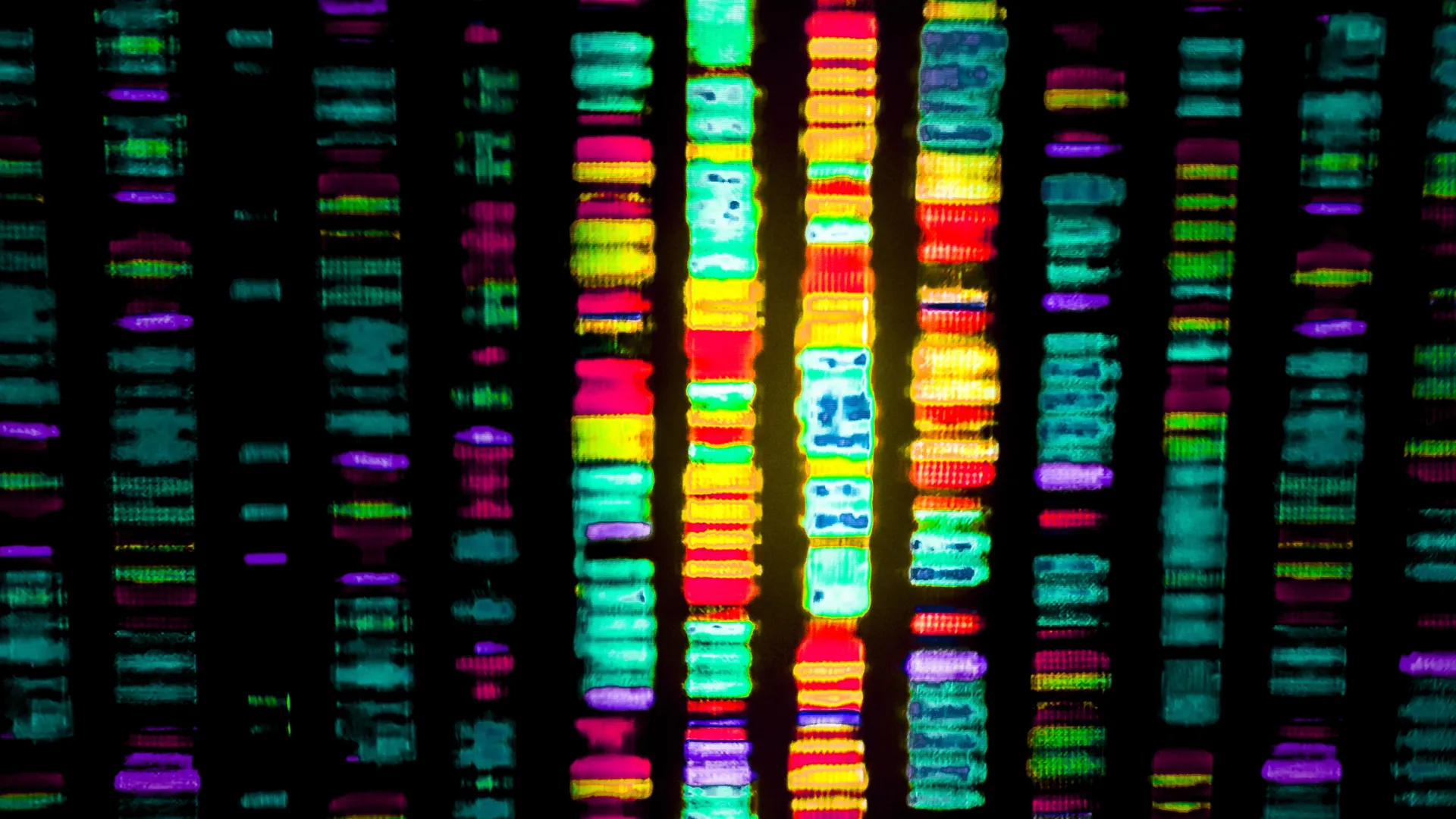
The intricate architecture of our genetic blueprint, long understood primarily through the lens of protein-coding genes, is undergoing a profound re-evaluation. While the roughly 2% of our DNA that comprises approximately 20,000 genes dictates a myriad of physical characteristics, influences behavior, and orchestrates cellular functions, the overwhelming remaining 98% has historically been relegated to the status of "junk" or non-coding DNA. This vast expanse, however, is increasingly recognized not as inert filler, but as a sophisticated regulatory network, containing the crucial control mechanisms that dictate the precise timing, intensity, and cellular context of gene expression. Recent breakthroughs from UNSW Sydney are illuminating the critical role of these non-coding elements, particularly in the context of neurological disorders such as Alzheimer’s disease.
At the forefront of this paradigm shift is research that has meticulously identified specific DNA switches, known as enhancers, which play a pivotal role in regulating astrocytes. These glial cells, integral to the brain’s support system for neurons, are known to be implicated in the pathological processes underlying Alzheimer’s disease. A comprehensive study, published in the prestigious journal Nature Neuroscience, details how a team of scientists systematically investigated nearly a thousand potential regulatory regions within lab-grown human astrocytes. These enhancers, characterized by their ability to influence gene activity often from considerable distances—sometimes separated by hundreds of thousands of DNA base pairs—have presented a significant challenge for traditional genetic investigation methods. Their elusive nature, residing far from the genes they govern, has historically made it difficult to establish direct functional links.
To surmount this obstacle, the UNSW Sydney researchers ingeniously combined two powerful biotechnological tools: CRISPR interference (CRISPRi) and single-cell RNA sequencing. CRISPRi offers a refined method to selectively dampen or "switch off" specific segments of DNA without permanently altering the genetic code, thereby allowing researchers to observe the consequences of deactivating potential regulatory elements. Complementing this, single-cell RNA sequencing provides an unprecedented granular view of gene activity, measuring the expression levels of genes within individual cells. The synergistic application of these techniques enabled the team to conduct a large-scale, simultaneous assessment of the functional impact of approximately 1,000 candidate enhancers.
The experimental protocol involved employing CRISPRi to systematically deactivate these suspected enhancers within the astrocytes. By observing subsequent changes in gene expression patterns, the researchers could definitively identify which of the tested regions were indeed functional enhancers. This rigorous process allowed them to pinpoint the specific genes that each functional enhancer controlled. The study achieved a remarkable success rate, confirming the regulatory role of about 150 of the initially screened enhancers. Strikingly, a substantial proportion of these validated enhancers were found to govern genes that are known to be associated with Alzheimer’s disease. This significant reduction in the pool of potential candidates, from a thousand to a confirmed 150, dramatically narrows the focus for identifying genetic contributors to Alzheimer’s within the vast non-coding genome.
The implications of this research extend far beyond Alzheimer’s disease, offering a vital framework for understanding the broader significance of the non-coding genome in a spectrum of human health conditions. Professor Irina Voineagu, who supervised the study, highlighted that the findings provide an invaluable reference catalog for interpreting results from diverse genetic research endeavors. Such research often identifies genetic variations associated with complex diseases like hypertension, diabetes, and psychiatric and neurodegenerative disorders. Frequently, these variations are not located within genes themselves but reside in the intergenic regions, the very "in-between" spaces that have been the focus of this investigation. By experimentally validating the function of enhancers in these regions and demonstrating their control over key brain genes, the study provides crucial context for understanding the functional consequences of genetic alterations found in these often-overlooked DNA segments.
While the current findings do not directly translate into immediate therapeutic interventions, they lay essential groundwork for future treatment development. Professor Voineagu eloquently articulated this point, stating that understanding the "wiring diagram" of gene regulation is a prerequisite for developing effective therapies. This research provides a significantly deeper insight into the intricate circuitry governing gene expression within astrocytes, offering a foundational map for potential therapeutic targeting. The prospect of manipulating these cell-type-specific enhancers holds promise for precisely modulating gene activity within astrocytes without adversely affecting other neuronal populations or brain cells.
The computational implications of this extensive experimental dataset are also profound. The laborious process of testing nearly a thousand enhancers in the laboratory has yielded a valuable resource that can now be leveraged to train and validate computational models. These predictive algorithms can learn to identify potential enhancers with greater accuracy, potentially accelerating the discovery process and saving years of intensive laboratory work. Professor Voineagu noted that the dataset is already being utilized by leading artificial intelligence research groups, including Google’s DeepMind, to benchmark their advanced deep learning models, such as AlphaGenome, in predicting enhancer function. This synergy between experimental biology and computational approaches heralds a new era of accelerated genetic discovery.
The potential applications of this research in the fields of gene therapy and precision medicine are particularly exciting. The cell-type specificity of many enhancers means they can be targeted to influence gene expression in a highly controlled manner within particular cell populations. This offers a pathway to developing therapies that are both effective and highly specific, minimizing off-target effects. Professor Voineagu drew a parallel to the first FDA-approved gene editing therapy for sickle cell anemia, which targets a cell-type-specific enhancer. This precedent underscores the tangible therapeutic potential of understanding and manipulating enhancer activity. Dr. Nicole Green emphasized that the future direction of this research involves a deeper exploration of how specific enhancers can be utilized to selectively activate or silence genes within single brain cell types with a high degree of precision, a critical step towards developing personalized treatments for neurological conditions. The journey from understanding the vast regulatory landscape of the non-coding genome to developing targeted therapies is complex, but this groundbreaking research has provided a critical compass for navigating that path.
About the Author












