
A comprehensive investigation into dietary patterns and neurological health, published in the esteemed medical journal Neurology on December 17, 2025, has unearthed a noteworthy correlation between the consumption of specific full-fat dairy products and a reduced likelihood of developing dementia. While the study identifies a significant association, it is crucial to underscore that this observational data does not establish a causal relationship, meaning it does not definitively prove that consuming these foods actively prevents the onset of dementia. Instead, the research highlights a statistical link that warrants further exploration.
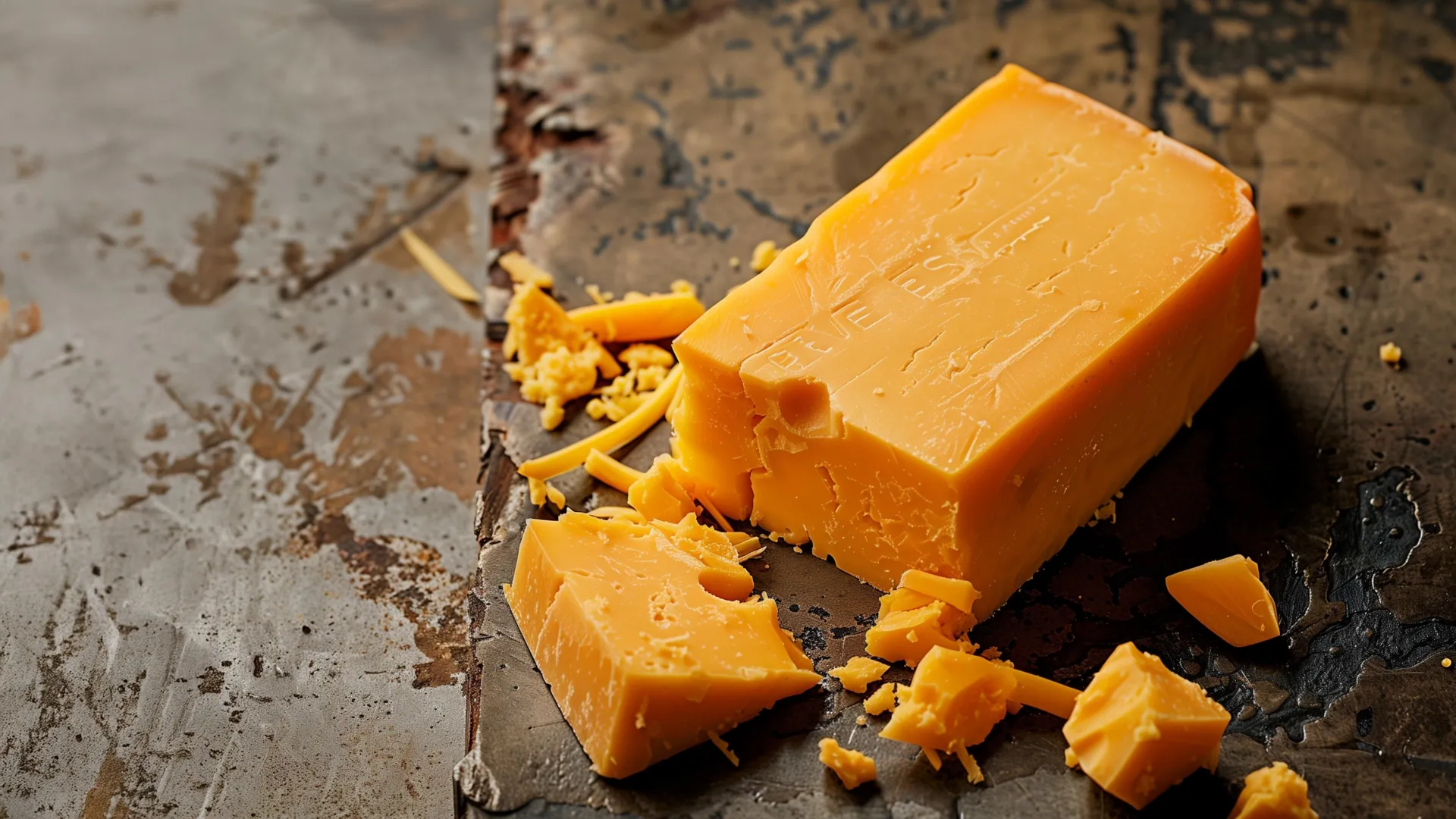
The parameters of "high-fat cheese" within this study encompass dairy products with a fat content exceeding 20%, a category that includes widely recognized varieties such as cheddar, Brie, and Gouda. Similarly, "high-fat cream" refers to products typically containing between 30% and 40% fat, such as whipping cream, double cream, and clotted cream, commonly found in markets labeled as "full-fat" or "regular" options. This distinction is significant in understanding the nuanced findings of the research.
For a considerable period, public health recommendations regarding dietary fat have been a subject of ongoing debate, with some prevailing narratives even labeling cheese as a food item to be consumed sparingly due to its fat content. However, these latest findings from researchers at Lund University in Sweden challenge some of these deeply ingrained assumptions, suggesting that certain high-fat dairy items might, in fact, contribute to a lower risk profile for cognitive decline. This introduces a new dimension to the long-standing discourse on the impact of dietary fats on brain health.
The methodology employed in this extensive research involved meticulously tracking the dietary habits and health trajectories of a substantial cohort of 27,670 adults residing in Sweden. Initiating the study with participants averaging 58 years of age, the researchers maintained a longitudinal follow-up period spanning approximately 25 years. Over this extensive timeframe, a total of 3,208 individuals were diagnosed with dementia, providing a robust dataset for statistical analysis.
To accurately capture the participants’ eating behaviors, a detailed dietary assessment was undertaken. Individuals were instructed to maintain meticulous records of their food and beverage intake over a seven-day period. In addition to this detailed food diary, participants also engaged in discussions with researchers, answering questions about the frequency with which they consumed specific foods in the preceding years and providing insights into their usual food preparation techniques. This multi-faceted approach aimed to create a comprehensive picture of their dietary landscape.
A particular focus of the analytical phase was placed on the daily intake of high-fat cheese. The researchers established two distinct comparison groups: individuals who reported consuming 50 grams or more of high-fat cheese per day, and those who consumed less than 15 grams daily. For contextualization, 50 grams of cheese is roughly equivalent to two standard slices of cheddar or approximately half a cup of shredded cheese, translating to about 1.8 ounces. A typical single serving of cheese is generally considered to be one ounce.
The results emerging from this comparison were compelling: by the conclusion of the study, 10% of the participants who regularly consumed higher quantities of high-fat cheese had been diagnosed with dementia, contrasting with 13% among those who consumed significantly less. After statistically adjusting for a range of confounding factors, including age, sex, educational attainment, and the overall quality of participants’ diets, the analysis revealed a statistically significant association: higher consumption of high-fat cheese was linked to a 13% reduction in the risk of developing dementia.
When the researchers delved into the specific subtypes of dementia, the association with high-fat cheese intake appeared to be most pronounced for vascular dementia. Individuals reporting greater consumption of high-fat cheese exhibited a notable 29% lower risk of developing this particular form of cognitive impairment. Furthermore, a less pronounced but still observable pattern emerged concerning Alzheimer’s disease; participants who consumed more high-fat cheese also showed a reduced risk of developing Alzheimer’s, but this effect was specifically noted among those who did not carry the APOE e4 gene variant, a known genetic predisposition for the disease.
The research also extended its scrutiny to the consumption of high-fat cream. In this segment of the analysis, participants were categorized based on whether they consumed 20 grams or more of high-fat cream daily, compared with those who reported no consumption. Twenty grams of high-fat cream is approximately equivalent to 1.4 tablespoons of heavy whipping cream, aligning with typical recommended serving sizes of 1-2 tablespoons.
Following similar adjustments for various health and lifestyle variables, the findings indicated a tangible link between daily high-fat cream consumption and a reduced risk of dementia. Specifically, those who regularly consumed high-fat cream demonstrated a 16% lower risk of developing dementia compared to individuals who abstained from its consumption altogether.
Crucially, the study illuminated significant distinctions among various dairy products, underscoring that not all dairy foods exert the same influence on dementia risk. The researchers found no discernible association between dementia incidence and the consumption of low-fat cheese, low-fat cream, milk (regardless of fat content), butter, or fermented milk products such as yogurt, kefir, and buttermilk. This finding is pivotal, suggesting a degree of specificity in the observed protective effect.
These results collectively suggest that the composition of dairy products, particularly their fat profile, may play a differential role in brain health. The observation that increased intake of high-fat cheese and cream was associated with a lower dementia risk, while other dairy alternatives did not yield similar outcomes, underscores the complexity of the relationship between diet and cognitive well-being. The researchers emphasize the need for continued investigation to validate these findings and further elucidate whether specific high-fat dairy components indeed offer a protective benefit for the brain.
Acknowledging the inherent limitations of any single study, the researchers point out that the participant pool was exclusively drawn from Sweden. This geographical specificity means that the findings may not be directly generalizable to populations in other countries, where dietary habits and food preparation practices can differ significantly. For instance, the manner in which cheese is typically consumed in Sweden, often uncooked, contrasts with its frequent use in cooked dishes or alongside meat in other cultures, such as in the United States. Consequently, the researchers strongly advocate for the replication of similar studies in diverse geographical locations, including the United States, to ascertain the universality of these observed associations. The research was made possible through the financial support of the Swedish Research Council, the Swedish Heart and Lung Foundation, the Crafoord Foundation, the Magnus Bergvall Foundation, and the Albert Påhlsson Foundation.
About the Author












