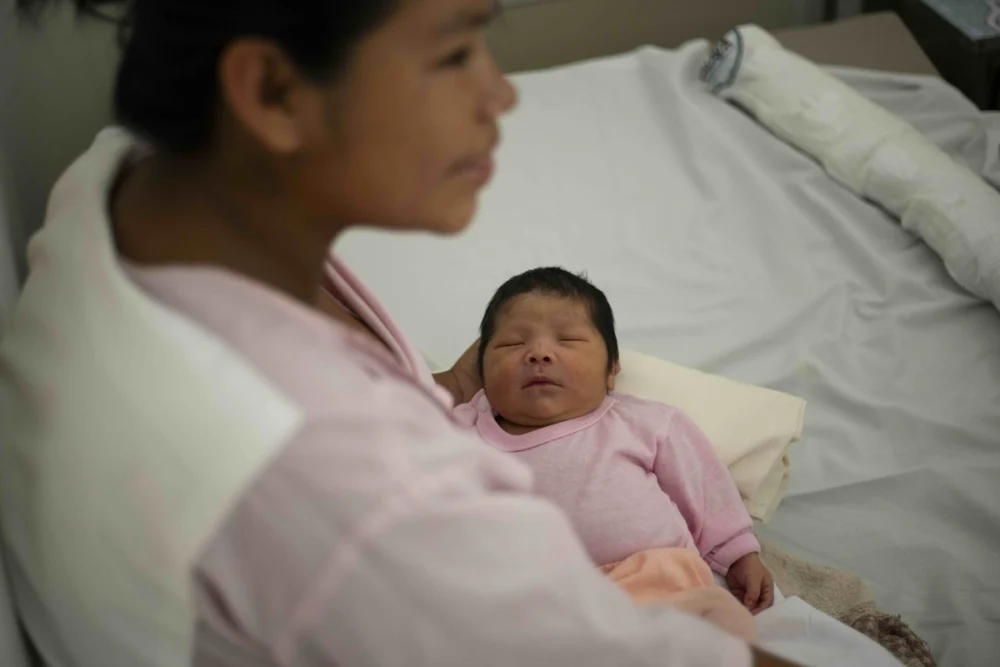
Brazil has achieved a monumental public health victory, becoming the most populous nation in the Americas to be formally recognized by the World Health Organization (WHO) for eliminating mother-to-child transmission (EMTCT) of HIV. This landmark validation signifies that new HIV infections among infants, transmitted during pregnancy, childbirth, or breastfeeding, have been virtually eradicated within the country’s borders, marking a profound step towards a generation free from the virus. Its demographic scale and complex healthcare landscape underscore the profound impact of this achievement, positioning Brazil as a leading example in global health efforts.
This success is far more than a statistical benchmark; it represents countless lives safeguarded and families spared the immense burden of pediatric HIV. Historically, HIV transmission from an infected mother to her child posed a significant global health challenge, leading to severe health complications and high mortality rates in infants. Brazil’s achievement offers a powerful testament to what can be accomplished through sustained public health commitment and equitable access to medical care, even in a nation characterized by vast geographical and socio-economic diversity.
The cornerstone of this triumph lies within Brazil’s robust Unified Health System (SUS), a publicly funded, comprehensive healthcare network that guarantees universal access to services for all citizens. This unwavering commitment to health equity, deeply rooted in a strong primary healthcare infrastructure and a profound respect for human rights, has been pivotal. For years, the SUS has meticulously implemented a multi-faceted strategy designed to prevent vertical HIV transmission. This included ensuring over 95% coverage for prenatal care, making routine HIV testing an integral component of antenatal check-ups for all expectant mothers, and providing immediate, timely antiretroviral treatment to all pregnant women diagnosed with HIV. Beyond medical interventions, comprehensive support extended to promoting safe delivery practices and meticulous infant follow-up care, including access to formula milk when breastfeeding was deemed unsafe due to the risk of transmission.
Furthermore, the nation adopted a progressive, decentralized approach to validating its elimination efforts. Brazil first focused on certifying individual states and municipalities with populations exceeding 100,000 inhabitants. This method allowed the country to adapt the Pan American Health Organization (PAHO)/WHO validation methodology to its diverse national context, ensuring practical implementation while maintaining a consistent and rigorous standard across all regions. This localized focus, combined with robust data collection and laboratory systems, ensured the delivery of high-quality services at every level of care, from remote clinics to major urban hospitals. The systemic dedication to human rights, gender equality, and active community engagement further empowered individuals to seek and receive care without fear of stigma or discrimination, strengthening the overall public health response.
The rigorous validation process, supported extensively by PAHO, involved an independent panel of experts. These specialists meticulously reviewed extensive data, documentation, and operational protocols within various health facilities across Brazil, scrutinizing everything from patient records to treatment adherence rates and laboratory accuracy. Their comprehensive findings subsequently underwent further scrutiny by WHO’s Global Validation Advisory Committee, an international body that ultimately provided the formal recommendation for Brazil’s validation based on stringent criteria, including a vertical transmission rate below 2%. This thorough, multi-stage assessment underscores the credibility and scientific integrity of the achievement.
Dr. Tedros Adhanom Ghebreyesus, Director-General of WHO, lauded Brazil’s accomplishment, emphasizing its significance: "Eliminating mother-to-child transmission of HIV is a major public health achievement for any country, especially for a country as large and complex as Brazil." He highlighted that Brazil’s dedication serves as a powerful demonstration "that with sustained political commitment and equitable access to quality health services, every country can ensure that every child is born free of HIV and every mother receives the care she deserves." Echoing this sentiment, Dr. Jarbas Barbosa, Director of PAHO, credited the "tireless dedication of thousands of health professionals, community health workers, and civil society organizations" who tirelessly ensure continuity of care, proactively identify obstacles, and work relentlessly to overcome them, thereby reaching even the most vulnerable populations.
The official ceremony in Brasília marking this milestone was attended by President Luiz Inácio Lula da Silva and Brazil’s Minister of Health Alexandre Padilha, alongside high-level representatives from UN agencies, including UNAIDS. Their presence underscored the profound political will and cross-sectoral collaboration that propelled this initiative. Winnie Byanyima, UNAIDS Executive Director, further emphasized the importance of Brazil’s holistic approach, noting that "they did it by doing what we know works – prioritizing universal health care, tackling the social determinants that drive the epidemic, protecting human rights, and even – when necessary – breaking monopolies to secure access to medicines." This comprehensive strategy, encompassing not just medical intervention but also social justice and equitable pharmaceutical access, offers a potent blueprint for other nations confronting similar health challenges.
Brazil’s success is not an isolated event but a significant component of the broader EMTCT Plus Initiative, a collaborative effort with UNICEF and UNAIDS aiming to eliminate not only mother-to-child transmission of HIV but also congenital syphilis, hepatitis B, and congenital Chagas disease. This initiative is deeply integrated into PAHO’s ambitious Elimination Initiative, a regional drive committed to eradicating over 30 communicable diseases and related health conditions across the Americas by the year 2030. Over the past decade, from 2015 to 2024, the concerted implementation of these initiatives has resulted in the prevention of more than 50,000 pediatric HIV infections throughout the Region of the Americas, vividly demonstrating the profound collective impact of these public health strategies.
Globally, Brazil joins a select group of 19 countries and territories that have received WHO validation for EMTCT of HIV. Notably, a significant proportion – twelve of these nations – are located within the Region of the Americas, underscoring the region’s pioneering role in tackling this specific public health challenge. Cuba holds the distinction of being the first country worldwide to achieve validation for both EMTCT of HIV and congenital syphilis in 2015, setting a crucial precedent. Other countries in the Americas that have reached this milestone include Anguilla, Antigua and Barbuda, Bermuda, Cayman Islands, Montserrat, and Saint Kitts and Nevis (validated in 2017); Dominica (2020); Belize (2023); and Jamaica and Saint Vincent and the Grenadines (2024). Beyond the Americas, countries like Armenia, Belarus, Malaysia, Maldives, Oman, Sri Lanka, and Thailand have also been validated for EMTCT of HIV, illustrating a growing global commitment to this critical health objective.
This momentous achievement by Brazil not only safeguards the lives and health of countless children but also significantly strengthens the nation’s health infrastructure and sets a powerful example for other populous, developing countries worldwide. It unequivocally underscores that robust public health systems, sustained political will, and an unwavering commitment to health equity are indispensable in overcoming even the most entrenched health challenges. The ongoing efforts under the EMTCT Plus and PAHO Elimination Initiatives signal a continued dedication to ensuring a healthier future for all children, a future free from preventable diseases.
About the Author