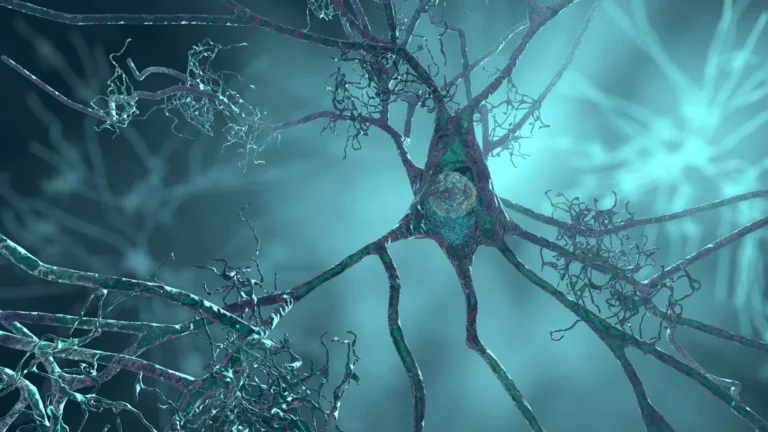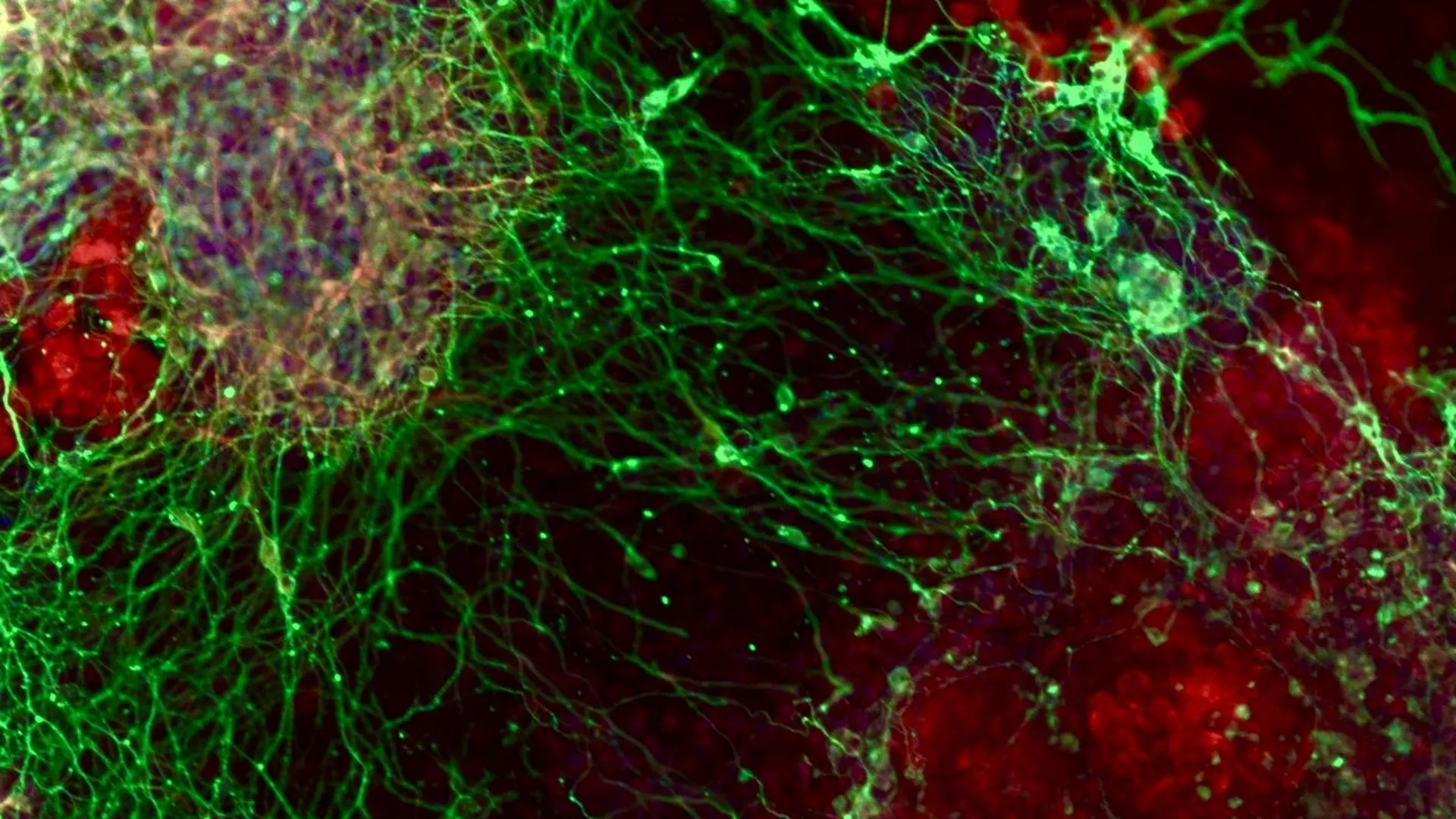
A groundbreaking investigation, meticulously documented in the latest issue of Nature Neuroscience, has significantly advanced our understanding of the intricate molecular choreography that transforms nascent embryonic stem cells into specialized neurons, the fundamental building blocks of the brain. Spearheaded by Professor Sagiv Shifman of The Hebrew University of Jerusalem’s Institute of Life Sciences, in close collaboration with Professor Binnaz Yalcin from INSERM in France, this ambitious research employed sophisticated genome-wide CRISPR knockout screening techniques to meticulously identify the genetic architects indispensable for the earliest phases of neural development. The study’s primary objective was to unravel the genetic underpinnings that govern the precise formation of brain cells, a process critical for cognitive function and overall neurological health.
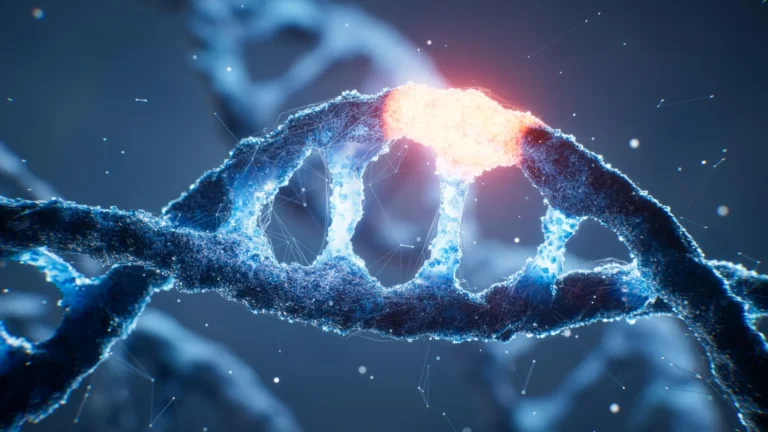
The research team embarked on a systematic deconstruction of the genetic landscape, employing the revolutionary CRISPR gene-editing technology to individually deactivate approximately 20,000 genes. This extensive experimental approach allowed researchers to observe the cascading effects of each gene’s absence as pluripotent stem cells underwent the complex process of differentiation into neural lineages. By observing the consequences of turning off genes one by one, scientists were able to precisely delineate which genetic components were not merely beneficial but absolutely essential for the seamless execution of neural development. These experiments were rigorously conducted across various stages, from the initial state of undifferentiated stem cells to their active transformation into nascent neural cells, providing a comprehensive view of gene function throughout this critical developmental window.
This systematic, large-scale genetic perturbation strategy enabled the researchers to construct a detailed roadmap of the key stages involved in neural differentiation. The culmination of their efforts yielded the identification of 331 genes that are critically important for the generation of functional neurons. Intriguingly, a substantial number of these identified genes had not been previously implicated in the early stages of brain formation, thereby expanding the known genetic repertoire associated with neurodevelopment. The findings offer profound new insights into the complex interplay of genetic factors that may underlie a spectrum of neurodevelopmental conditions, including variations in brain size, the etiology of autism spectrum disorder, and the multifaceted challenges associated with developmental delays.
One of the study’s most impactful revelations was the identification of a previously unrecognized neurodevelopmental disorder directly linked to the dysfunction of a gene designated as PEDS1. This gene, now understood to be crucial for human health, plays a vital role in the biosynthesis of plasmalogens, a distinct class of membrane phospholipids. Plasmalogens are particularly concentrated within myelin, the essential fatty sheath that encases nerve fibers, facilitating rapid and efficient transmission of neural signals. The comprehensive CRISPR screen demonstrated that PEDS1 is not only involved in plasmalogen production but also exerts a critical influence on the formation of nerve cells. Furthermore, the study revealed that the absence of PEDS1 leads to a discernible reduction in brain size, a finding that prompted the researchers to hypothesize a direct causal link between PEDS1 deficiency and impaired brain development in humans.
To substantiate this compelling hypothesis, the researchers conducted detailed genetic analyses in two unrelated families exhibiting severe developmental abnormalities. In both instances, affected children presented with a rare mutation in the PEDS1 gene. These individuals displayed significant developmental delays coupled with a notably smaller brain volume, aligning precisely with the experimental observations derived from the gene-editing screens. This clinical correlation provided strong empirical support for the PEDS1 gene’s critical role in human neurodevelopment.
Further experimental validation was undertaken to definitively establish the causal relationship between PEDS1 deficiency and the observed developmental effects. The research team employed experimental models to systematically inactivate the PEDS1 gene, meticulously documenting the resultant impact on brain formation. These targeted experiments unequivocally confirmed that PEDS1 is indispensable for normal brain development. In its absence, nerve cells exhibited significant defects in their formation and migration, crucial processes for establishing functional neural circuits. These findings provide a clear molecular explanation for the clinical manifestations observed in the children carrying the PEDS1 mutation, bridging the gap between genetic alteration and observable phenotype.
Professor Sagiv Shifman elaborated on the significance of their work, stating, "By meticulously tracking the differentiation process of embryonic stem cells into neural cells and systematically disrupting nearly every gene within the genome, we have effectively created an invaluable genetic map of the essential components for brain development. This map is poised to revolutionize our understanding of how the brain develops and to aid in the identification of hitherto undiscovered genes associated with neurodevelopmental disorders. The identification of PEDS1 as a direct genetic cause of developmental impairment in children, and the clarification of its functional role, opens promising avenues for enhanced diagnostic capabilities and more informed genetic counseling for affected families. Ultimately, this knowledge may pave the way for the development of targeted therapeutic interventions."
Beyond the identification of a specific disorder, the study also illuminated broader genetic principles that could inform the prediction of inheritance patterns for neurodevelopmental disorders. The research indicated that genes governing the regulatory activity of other genes, including those involved in transcriptional control and chromatin remodeling, are frequently associated with dominant inheritance patterns. In such cases, a single mutated copy of the gene can be sufficient to precipitate disease. Conversely, conditions linked to metabolic genes, such as PEDS1, tend to exhibit recessive inheritance. This implies that both copies of the gene must be altered, a scenario where each parent typically carries one modified copy. Understanding the intricate relationship between biological pathways and distinct inheritance patterns can significantly empower researchers and clinicians in their efforts to identify and prioritize disease-related genes for further investigation.
The research team also developed an "essentiality map" that delineates the specific developmental windows during which particular genes are required. This nuanced map proved instrumental in differentiating the underlying genetic mechanisms associated with autism spectrum disorder from those implicated in developmental delay. Genes that were found to be essential across a broad spectrum of developmental stages were more strongly correlated with developmental delay. In contrast, genes that demonstrated particular importance during the critical phase of nerve cell formation were more closely linked to autism. These observations offer a potential explanation for the overlapping symptomology observed in different genetic disruptions and lend further support to the hypothesis that early alterations in brain development are significant contributors to the pathogenesis of autism.
In a commitment to fostering scientific advancement and accelerating future discoveries, the research team has made their extensive findings publicly accessible through an open online database. This initiative allows researchers worldwide to explore the comprehensive dataset generated by the study, facilitating collaborative efforts and independent investigations into the identified genes. Professor Shifman highlighted the crucial role of PhD student Alana Amelan in this endeavor, noting her significant contributions to the study’s execution and the creation of the accompanying website. "Our intention was to make our findings a valuable resource for the entire scientific community," Professor Shifman stated, "supporting ongoing work on the genes we have identified and assisting other researchers in pinpointing additional genes involved in the complex landscape of neurodevelopmental disorders."
In summation, this comprehensive study has delivered a remarkably detailed genetic atlas of early nervous system development and has illuminated the molecular underpinnings of a newly characterized brain disorder. These pivotal findings hold the potential to significantly enhance the accuracy and efficiency of genetic diagnoses for a wide range of neurodevelopmental conditions. Furthermore, the insights gained are expected to provide crucial guidance for future research endeavors aimed at developing effective strategies for the prevention and treatment of these debilitating conditions, ultimately contributing to improved outcomes for individuals affected by neurodevelopmental challenges.
About the Author