Neuroscientific Breakthrough Unveils Visual Cortex’s Embodied Representation of the Body.
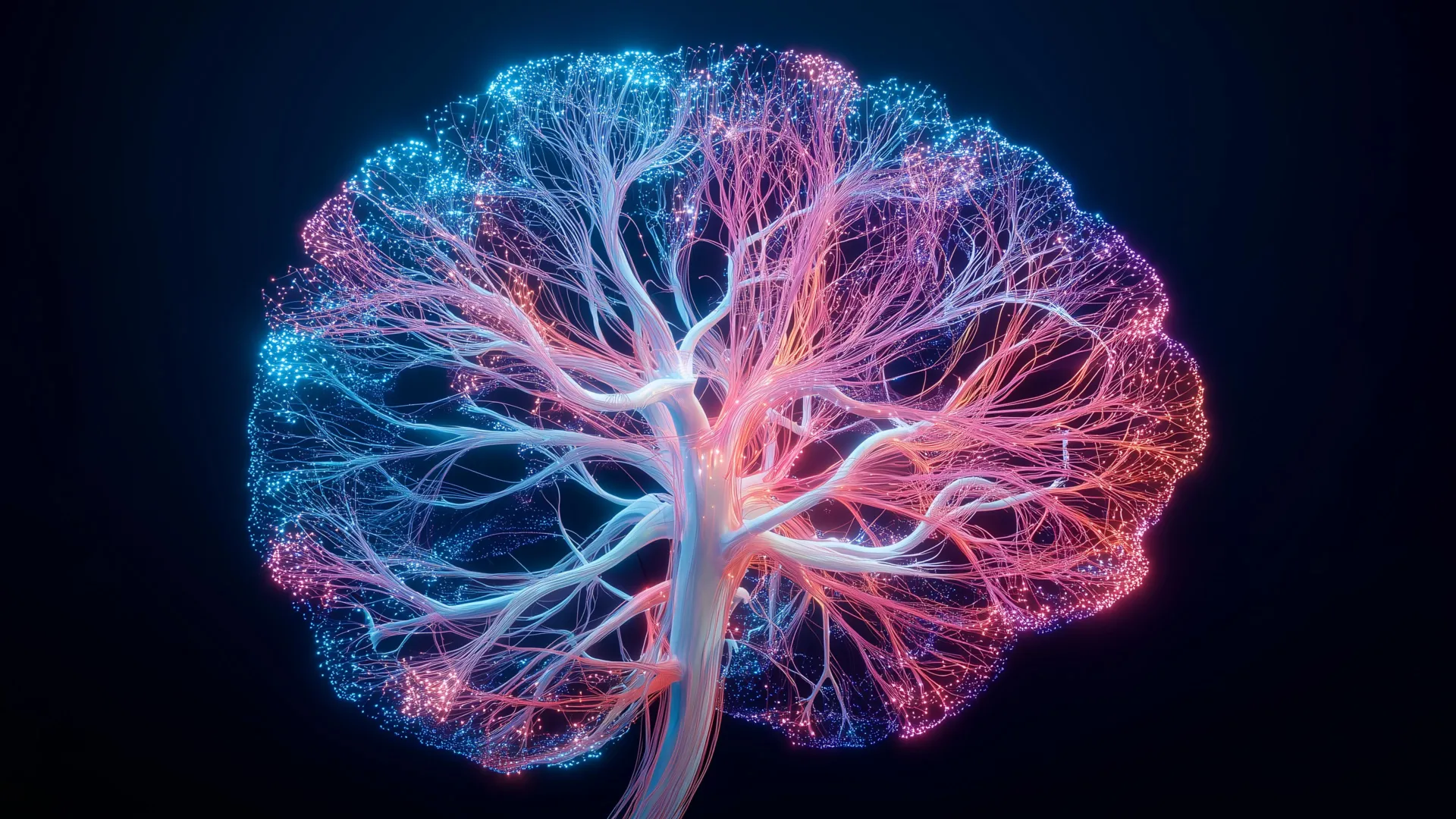
In a groundbreaking international research endeavor, scientists Nicholas Hedger of the University of Reading and Tomas Knapen from the Netherlands Institute for Neuroscience and Vrije Universiteit Amsterdam have illuminated a previously unappreciated mechanism by which the human brain translates visual stimuli into visceral, corporeal sensations. This intricate neural process, which allows us to not only see but also to feel our surroundings and the actions of others, represents a significant leap in our comprehension of human perception and experience. The findings suggest profound implications for fields ranging from artificial intelligence to clinical psychology and neuroscience.
The phenomenon of vicarious sensation, where observing an action can elicit a physical response in the observer, is a testament to the brain’s remarkable capacity for empathy and shared experience. Consider, for instance, the instinctive flinch or grimace that often accompanies witnessing another person sustain an injury, such as a minor cut. These immediate, involuntary reactions, occurring within milliseconds, are not mere figments of imagination; they are underpinned by genuine neural activation within the brain’s dedicated touch-processing center, the somatosensory cortex. This observation prompts a fundamental question: how can the mere act of visual observation trigger a tactile response within our own neural architecture?
To unravel this complex neurological puzzle, researchers from institutions across the United Kingdom, the United States, and the VU/NIN (KNAW) in Amsterdam embarked on an innovative research design. Eschewing the constraints of highly controlled laboratory tasks, they opted to investigate brain activity during naturalistic viewing scenarios, utilizing an unexpected yet highly effective medium: cinematic productions. This approach allowed them to capture the brain’s response to a rich tapestry of visual information as it is encountered in everyday life, albeit amplified and curated for dramatic effect.
The study, spearheaded by Tomas Knapen as the senior author and Nicholas Hedger as the lead author, involved participants reclining within functional magnetic resonance imaging (fMRI) scanners. While undergoing this neuroimaging, these individuals were presented with carefully selected movie clips, including sequences from acclaimed films such as "The Social Network" and "Inception." The primary objective of analyzing the resulting brain recordings was to precisely identify and map the neural networks responsible for enabling individuals to deeply and viscerally engage with what they were seeing.
The concept of "maps" within the brain refers to the organized arrangement of neural tissue that processes specific types of information. In the somatosensory cortex, for example, a highly ordered topographic representation of the entire human body exists. This somatotopic map ensures that distinct regions of the cortex are dedicated to processing sensory input from specific body parts; for instance, one extremity of the cortex might receive and interpret signals from the feet, while another area handles tactile information originating from the head. These neural maps are crucial for the brain’s ability to accurately pinpoint the origin of physical sensations.
The discovery of analogous, remarkably consistent maps within the visual cortex is particularly compelling. This congruence suggests a profound, intrinsic connection between the processing of visual information and the generation of bodily sensations, effectively bridging the modalities of sight and touch at a fundamental neural level. Knapen elaborated on the significance of this finding, stating, "We identified not one, or two, but a total of eight remarkably similar maps within the visual cortex!" He further emphasized the implications, noting, "The presence of so many such maps underscores the profound extent to which the visual brain operates using the ‘language’ of touch."
These newly identified visual maps exhibit an organizational principle that mirrors the head-to-toe arrangement observed in the somatosensory cortex. This parallelism indicates that when we visually perceive another individual, the brain structures and organizes this information in a manner strikingly similar to how it processes direct physical contact. This neural correspondence offers a biological basis for our capacity to empathize with and understand the physical experiences of others.
The existence of multiple, similar body maps within the visual cortex naturally leads to questions about their functional differentiation. According to the research team, each distinct map appears to be specialized for a particular cognitive or perceptual function. Some maps may be primarily engaged in the recognition of specific anatomical features, while others might be more involved in determining the spatial positioning of those body parts. Knapen suggested that this is likely an incomplete picture, remarking, "I believe there are many more functions at play, but we have not yet had the capacity to test them."
The specific map that exhibits the highest level of neural activity can be influenced by the observer’s attentional focus. Knapen provided an illustrative example: "Imagine you stand up and pick up a cup of coffee. If my interest lies in observing your actions, I will likely direct my attention to the movement of your hand as you grasp the cup. Conversely, if my primary interest is in understanding your emotional state, I might concentrate more on your overall posture or your facial expressions." He continued, "Every time you observe a person, a multitude of distinct bodily translations must be performed visually. We propose that these maps are an essential component in precisely this process."
While the concept of multiple, potentially overlapping maps might initially appear to suggest inefficiency, Knapen argues for the opposite interpretation. "This arrangement permits the brain to hold diverse types of information within a single neural space and to perform translations in whatever manner is relevant at that specific moment," he explained. This neural multiplexing allows for flexible and context-dependent processing of visual information related to the body.
The ramifications of this discovery extend far beyond fundamental neuroscience, opening avenues for significant advancements in psychology, medicine, and technology. Because these somatosensory maps within the visual cortex appear to play a crucial role in emotional comprehension and social cognition, they hold considerable promise for advancing research in social psychology and improving clinical care. Knapen highlighted a potential application, stating, "Individuals with autism spectrum disorder can encounter difficulties with this type of sensory processing. Access to this information could facilitate the identification of more effective therapeutic interventions."
Over time, these findings could also exert a considerable influence on the development of neurotechnology. Current protocols for training brain-computer interfaces, for instance, often rely on basic instructions such as "attempt to think of a movement." Knapen suggested that if these embodied processes can be activated through a broader range of stimuli and cognitive strategies, it could unlock significantly expanded possibilities for training and refining brain-computer interfaces.
Knapen also foresees substantial potential for the integration of these findings into the field of artificial intelligence. He elaborated, "Our physical bodies are intrinsically linked to our experiences and our comprehension of the world. Contemporary AI systems predominantly rely on textual and visual data, lacking this crucial embodied dimension. This facet of human experience presents a fertile ground for AI development." He concluded by emphasizing the synergistic potential: "Our research demonstrates the capacity for large-scale, high-resolution neuroimaging datasets to drive this progress, representing a beautiful confluence of neuroscience and artificial intelligence."
Despite the exciting future possibilities, Knapen reaffirmed that the underlying motivation for this research remains deeply rooted in a fundamental humanistic pursuit. "My ultimate aim is to comprehend the profound depths of human experience, and it genuinely feels as though we have just uncovered a central building block for that understanding," he stated. This discovery not only deepens our understanding of how we perceive the world but also offers a glimpse into the intricate neural underpinnings of empathy and shared human experience.
Related posts:

Related News