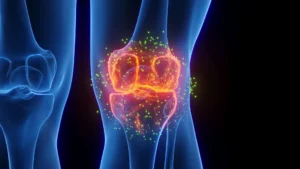
A groundbreaking, nearly half-century-long investigation originating from Sweden’s esteemed Karolinska Institutet has offered an unprecedented glimpse into the intricate progression of human physical capacity across the adult lifespan. Contrary to common assumptions that significant physical decline commences much later, the extensive data gathered over 47 years indicates a notable reduction in an individual’s peak fitness, strength, and muscular endurance beginning around the age of 35. This pivotal finding, derived from one of the most comprehensive longitudinal studies ever undertaken in this domain, simultaneously delivers an encouraging message: the initiation or continuation of regular physical activity, even in later stages of life, confers substantial and measurable health benefits, effectively mitigating the pace of age-related physiological diminishment.
The study, formally known as the Swedish Physical Activity and Fitness (SPAF) study, represents an extraordinary commitment to scientific inquiry. It meticulously tracked hundreds of randomly selected men and women from diverse backgrounds across Sweden, spanning an initial age range of 16 to 63 years. Published in the esteemed Journal of Cachexia, Sarcopenia and Muscle, a publication dedicated to research on muscle wasting and severe weight loss, the findings provide a rare, multi-decade perspective. This prolonged observation contrasts sharply with the majority of previous research in the field, which often relied on "cross-sectional" methodologies. Cross-sectional studies compare different age groups at a single point in time, offering snapshots rather than continuous narratives of individual change. While valuable, such approaches can conflate true age-related decline with generational differences or cohort effects. The SPAF study, by repeatedly assessing the same individuals over decades, provides an unparalleled and robust understanding of how physical attributes evolve within a single human life course, establishing it as a landmark effort in the study of aging physiology.
To comprehend the full scope of these findings, it is essential to define the key metrics under investigation: fitness, strength, and muscle endurance. "Fitness," in this context, primarily refers to cardiorespiratory fitness, often quantified by maximal oxygen uptake (VO2 max), which indicates the body’s efficiency in delivering and utilizing oxygen during intense exercise. Higher cardiorespiratory fitness is a strong predictor of overall health and longevity. "Strength" denotes the maximal force a muscle or muscle group can exert, typically measured through exercises like grip strength or maximal weight lifted. This is crucial for daily activities, maintaining independence, and preventing falls. "Muscle endurance" refers to the ability of muscles to sustain repeated contractions or maintain a contraction for an extended period, essential for tasks requiring sustained effort. The comprehensive measurement of these distinct yet interconnected aspects of physical capacity across such an extended period makes the SPAF study exceptionally insightful.
The core revelation from the comprehensive data analysis is the consistent onset of measurable physical decline in these key areas starting in the mid-thirties. This observation was consistent across participants, irrespective of their prior engagement in physical training during their younger years. From this inflection point, the reduction in physical capabilities tends to progress gradually, though the rate of decline often accelerates with advancing age. While this might seem like an immutable biological reality, the research simultaneously unveiled a powerfully positive message. Participants who embraced or intensified physical activity during their adult lives demonstrated a significant increase in their physical capacity, ranging from 5 to 10 percent. This improvement, while not entirely reversing the age-related trajectory, demonstrably slows the rate of decline, offering a critical buffer against the detrimental effects of aging.
The biological mechanisms underlying this mid-thirties inflection point are complex and represent a fertile ground for ongoing scientific inquiry. Potential contributing factors include subtle shifts in hormonal profiles, such as a gradual decrease in growth hormone and testosterone levels, which play vital roles in muscle maintenance and repair. Changes in muscle fiber composition, with a gradual reduction in fast-twitch fibers responsible for power and strength, may also contribute. Furthermore, cellular-level alterations, including mitochondrial dysfunction and increased oxidative stress, could impair muscle function and energy production. The nervous system’s efficiency in recruiting muscle fibers also subtly diminishes with age. Understanding these precise mechanisms is crucial for developing targeted interventions.
The profound implications of these findings extend far beyond individual health choices, touching upon public health policy, workplace wellness strategies, and societal perceptions of aging. Knowing that physical decline initiates earlier than commonly perceived emphasizes the critical importance of fostering lifelong habits of physical activity from adolescence into early adulthood. This proactive approach can establish a higher baseline of physical capacity, providing a greater reserve as individuals age. For those who have not maintained consistent activity, the study offers a compelling scientific endorsement of "it’s never too late." Embracing exercise in middle age and beyond can meaningfully enhance quality of life, prolong independence, and potentially reduce the burden of age-related chronic diseases such as sarcopenia (age-related muscle loss), osteoporosis, cardiovascular disease, and type 2 diabetes.
Maria Westerståhl, a lecturer at the Department of Laboratory Medicine and the principal author of this seminal study, underscored the transformative potential of these insights. She articulated that while physical activity might not entirely halt the natural aging process, it serves as a powerful decelerator of performance loss. Her commentary highlights the critical next steps in this research journey: delving deeper into the underlying biological and physiological mechanisms that orchestrate the peak performance plateau around age 35, and meticulously unraveling precisely how physical activity exerts its beneficial effects, enabling it to slow, though not entirely prevent, the inevitable march of time on our bodies. This future research will aim to provide a more granular understanding of cellular and molecular pathways influenced by exercise, potentially leading to more personalized and effective interventions.
The SPAF study is far from concluded. Its commitment to longitudinal observation continues, with the next scheduled examination of participants slated for the upcoming year, when many will have reached the age of 68. This subsequent phase aims to further illuminate the intricate interconnections between observed changes in physical performance and a multitude of lifestyle choices, overall health status, and underlying biological processes. By gathering data on nutrition, stress levels, cognitive function, and genetic predispositions, the research team hopes to construct a more holistic picture of healthy aging. Such comprehensive data can inform the development of more precise public health guidelines, preventative healthcare strategies, and even novel therapeutic approaches designed to maintain functional independence and vitality for an aging global population.
In conclusion, the Karolinska Institutet’s decades-long SPAF study represents a monumental contribution to our understanding of human aging. By precisely pinpointing the onset of physical decline in the mid-thirties, it challenges preconceived notions and underscores the early importance of maintaining an active lifestyle. Crucially, its resounding message of hope – that consistent physical activity at any age can significantly enhance physical capacity and slow the aging process – empowers individuals and informs public health initiatives. This ongoing research promises to continually deepen our comprehension of the complex interplay between lifestyle, biology, and the trajectory of physical performance, ultimately guiding us towards more effective strategies for promoting lifelong health and well-being.
About the Author