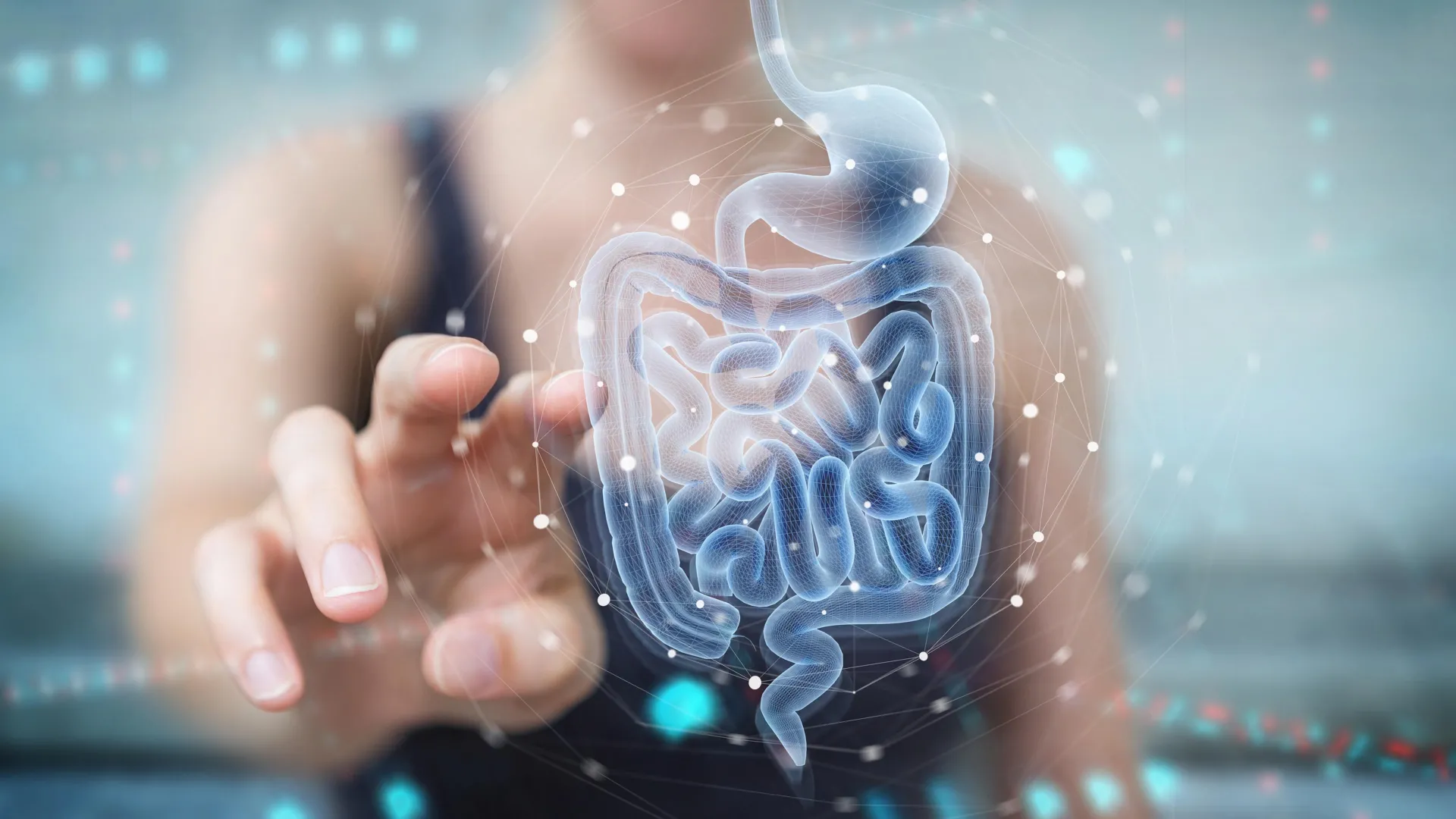
The human gastrointestinal tract, a marvel of cellular renewal, continuously replaces its lining with remarkable alacrity, a process driven by specialized stem cells that maintain the integrity of this vital barrier. However, this ceaseless regeneration is not without its long-term consequences, as the very mechanisms that ensure intestinal health begin to accumulate subtle, yet significant, alterations over time. These changes, known as epigenetic modifications, are not mutations in the underlying DNA sequence itself but rather chemical annotations that act as regulatory switches, dictating gene expression by determining which genetic instructions are activated and which are silenced.
A groundbreaking international study, published in the esteemed journal Nature Aging, has illuminated a discernible pattern within these accumulating epigenetic changes, revealing that they are far from haphazard. Spearheaded by Professor Francesco Neri of the University of Turin, Italy, the research team has identified a distinct biological process, which they have termed ACCA (Aging- and Colon Cancer-Associated) drift. This phenomenon describes a gradual, progressive alteration in epigenetic markers that intensifies with advancing age. Professor Neri, who previously led a research group at the Leibniz Institute on Aging — Fritz Lipmann Institute in Jena, stated, "We have observed an epigenetic signature that becomes progressively more pronounced as individuals age."
The genes most profoundly impacted by this epigenetic drift are those instrumental in maintaining cellular homeostasis and tissue balance. A significant proportion of these affected genes are intricately involved in the Wnt signaling pathway, a critical cascade responsible for regulating intestinal lining renewal. As these regulatory genes undergo alterations, the gut’s innate capacity for self-repair and regeneration is progressively compromised. The researchers noted a striking concordance, discovering that the same pattern of epigenetic drift observed in aging intestinal tissue was present in a substantial majority of colon cancer samples analyzed. This remarkable overlap strongly suggests that the cumulative epigenetic changes in aging stem cells create a cellular environment that is predisposed to the initiation and development of cancerous growths.
Delving deeper into the spatial distribution of aging within the gut, the study revealed a fascinating heterogeneity. The intestinal lining is organized into microscopic invaginations known as crypts, each originating from a single stem cell. When this foundational stem cell acquires epigenetic modifications, these alterations are propagated to all the descendant cells within that specific crypt. Dr. Anna Krepelova elaborated on the unfolding of this process, explaining, "Over time, increasingly larger regions exhibiting an older epigenetic profile emerge within the tissue. Through the inherent biological process of crypt division and expansion, these aged regions continuously grow and can persist for many years." Consequently, the intestines of older individuals become a complex mosaic, comprised of crypts with varying degrees of epigenetic age. While some areas may retain a relatively youthful and healthy epigenetic state, others become significantly "aged," increasing the likelihood of generating aberrant cells and elevating the risk of cancerous transformation.
The underlying mechanism driving this epigenetic drift has also been elucidated. As intestinal cells mature, they exhibit a decreased uptake of iron, coupled with an increased release of this essential mineral. This shift results in a diminished concentration of ferrous iron (iron II) within the cell nucleus. Ferrous iron plays a crucial role in the optimal functioning of TET (ten-eleven translocation) enzymes, which are normally responsible for actively removing excessive DNA methylation marks. When cellular iron levels decline, the efficiency of these TET enzymes is impaired. As a consequence, surplus DNA methylations, which would typically be dismantled, remain affixed to the DNA. "When there is insufficient iron within the cells, erroneous markings persist on the DNA, and the cells lose their capacity to erase these markings," Dr. Krepelova explained. The reduction in TET activity leads to a buildup of DNA methylation, effectively silencing critical genes that are vital for maintaining normal cellular function. This cascading effect further accelerates the pace of epigenetic drift.
Adding another layer of complexity, age-related inflammation within the gut exacerbates this detrimental process. The research team demonstrated that even subtle inflammatory signals can disrupt cellular iron homeostasis, placing additional metabolic stress on the cells. Concurrently, the Wnt signaling pathway becomes attenuated, diminishing the stem cells’ ability to remain functionally active and healthy. The confluence of iron dysregulation, inflammation, and diminished Wnt signaling acts as a potent accelerator for epigenetic drift. This synergistic interplay suggests that the aging process within the intestine may commence earlier and progress at a more rapid rate than previously understood by the scientific community.
Despite the intricate nature of these age-related molecular changes, the study offers a beacon of hope by demonstrating the potential for intervention. In controlled laboratory experiments utilizing organoid cultures—miniature intestinal models derived from stem cells—researchers successfully attenuated or partially reversed the epigenetic drift. These beneficial effects were achieved through strategies aimed at restoring iron uptake or by directly enhancing Wnt signaling pathways. Both interventions effectively reactivated the TET enzymes, enabling the cells to resume the process of clearing excess DNA methylations. "This finding signifies that epigenetic aging is not an immutable, irreversible state," Dr. Krepelova remarked. "For the first time, we are witnessing evidence that the fundamental parameters of aging, deeply embedded within the cellular molecular core, can be modulated." These discoveries lay the groundwork for potential therapeutic strategies aimed at mitigating age-related cellular decline and reducing the risk of associated diseases like colorectal cancer.
About the Author