
The pursuit of a more defined waistline, often involving efforts to diminish excess adipose tissue accumulated around the midsection, is a common fitness objective for many adults. For individuals navigating the physiological shifts that accompany aging, particularly those over the age of 50, achieving this goal can present unique challenges and often leads to a reliance on conventional wisdom that may not be the most effective. A widespread misconception in fitness is the belief that targeting specific areas with isolated exercises will result in fat loss solely from that region—a concept commonly referred to as "spot reduction." While dedicated abdominal work undeniably contributes to core strength and muscular development, its efficacy in directly reducing the layer of fat overlying these muscles is significantly overstated. Understanding the true mechanisms of systemic fat loss and adopting a more comprehensive exercise paradigm is crucial for sustainable and impactful results, particularly for mature populations.
The physiological reality of fat metabolism dictates that the body does not selectively burn fat from the muscle group being exercised. When an individual engages in physical activity, the body mobilizes energy reserves, including fat stores, from across the entire system. The specific locations from which these fat reserves are drawn are primarily influenced by genetic predisposition, hormonal regulation, and overall energy balance, rather than the localized contraction of muscles. For instance, performing countless crunches will strengthen the rectus abdominis and obliques, enhancing their tone and endurance, but these exercises alone do not directly metabolize the subcutaneous or visceral fat that may be present around the abdomen and flanks. This distinction is critical, as a significant portion of the fat that contributes to a less streamlined midsection resides externally (subcutaneous) or internally around organs (visceral), and its reduction requires a broader, systemic approach to caloric expenditure and metabolic enhancement.
For adults over 50, the body undergoes several natural changes that further underscore the importance of a holistic fitness strategy. Metabolic rate typically declines with age, largely due to a decrease in lean muscle mass (sarcopenia) and altered hormonal profiles. These factors can make fat loss more challenging and highlight the need for exercise regimens that maximize caloric burn and stimulate muscle synthesis across the body. Isolated core exercises, while beneficial for spinal health and functional movement, simply do not generate the substantial energy demand necessary to significantly tap into widespread fat reserves. Instead, a more effective strategy involves integrating multi-joint, compound movements that engage multiple large muscle groups simultaneously. These types of exercises elevate the heart rate, stimulate a higher metabolic response during and after the workout (known as EPOC, or Excess Post-exercise Oxygen Consumption), and promote a more favorable hormonal environment for fat metabolism and muscle preservation.
Furthermore, incorporating standing and functional movements is particularly advantageous for older adults. As balance and proprioception can diminish with age, exercises performed while standing enhance stability and mimic movements encountered in daily life, thereby improving functional independence and reducing the risk of falls. Such exercises often demand greater core stabilization than seated or supine movements, engaging the abdominal musculature in a more integrated and functional manner as it works to brace the spine and control movement. The emphasis shifts from merely flexing the spine to dynamic, full-body coordination and strength, which are paramount for overall well-being and longevity. This approach is not about eschewing core work entirely but rather placing it within a broader context of whole-body training that maximizes energy expenditure and promotes systemic physiological benefits.
Here are five integrated exercises that offer a superior approach to fostering a leaner midsection by boosting metabolic activity, engaging extensive muscle groups, and promoting functional strength:
1. Standing Woodchoppers: This dynamic, multi-planar exercise is highly effective because it integrates rotational power from the hips and core with strength from the shoulders, back, and arms. Unlike static ab exercises, standing woodchoppers involve a sweeping motion that mimics activities like chopping wood, requiring significant coordination and muscle activation. To perform, typically starting with a medicine ball or cable machine, stand with feet shoulder-width apart. Begin with the implement held high to one side (e.g., above the right shoulder), then forcefully pull it diagonally down and across the body towards the opposite hip (e.g., the left hip), pivoting on the feet and engaging the obliques, glutes, and lats. The controlled, powerful movement across the body’s midline engages the entire core in a functional, rotational capacity, building strength and contributing to a substantial caloric expenditure. This comprehensive engagement helps to sculpt the abdominal flanks while improving core stability and power.
2. Single-Arm Farmer’s Carry: Often overlooked, the farmer’s carry is a deceptively simple yet profoundly effective full-body exercise, particularly when performed unilaterally. By holding a heavy dumbbell, kettlebell, or even a loaded grocery bag in one hand, the body is forced to counteract the uneven load. This immediately activates the deep core stabilizers, obliques, and spinal erectors to prevent leaning and maintain an upright posture. The continuous engagement of these anti-rotational muscles throughout the walking motion provides an intense, functional workout for the abdominal flanks that far surpasses the isolated efforts of crunches. Beyond core strengthening, this exercise also builds grip strength, shoulder stability, and overall muscular endurance, making it highly beneficial for everyday functional fitness and increasing overall metabolic demand due to the constant muscle activation across the entire kinetic chain.
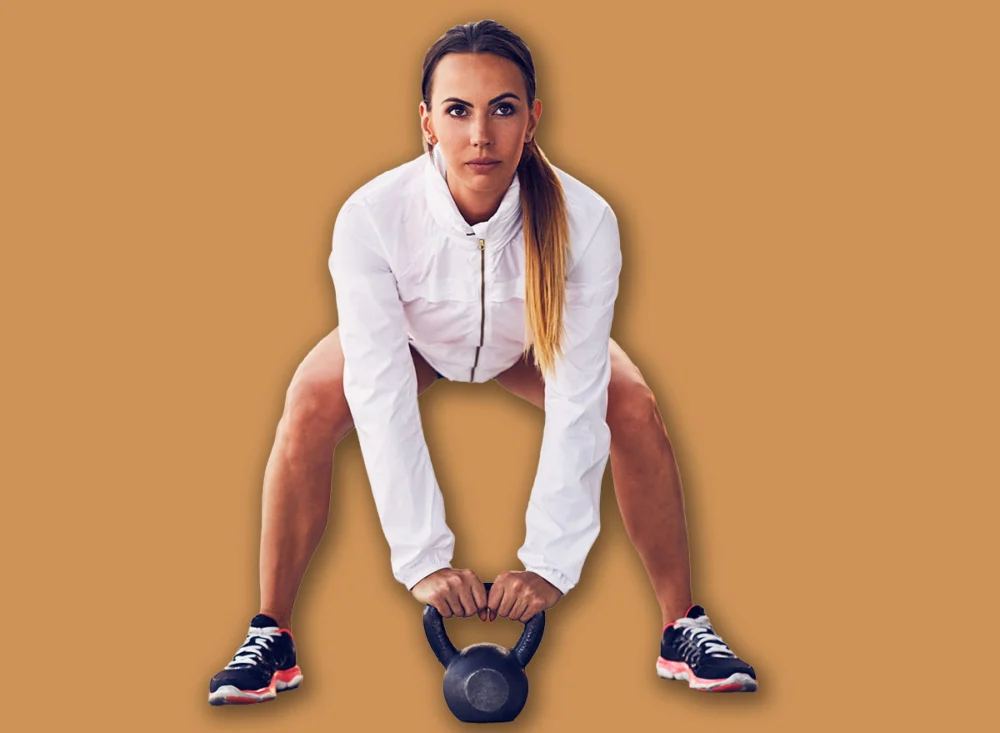
3. Kettlebell (or Dumbbell) Swings: The kettlebell swing is a powerful ballistic exercise that primarily targets the posterior chain—the glutes, hamstrings, and lower back—while demanding significant core bracing. It is not an arm exercise but rather a hip-hinge movement, where power is generated explosively from the hips. To execute, stand with feet slightly wider than shoulder-width, holding a kettlebell with both hands. Hinge at the hips, allowing the kettlebell to swing back between the legs, then explosively drive the hips forward, squeezing the glutes to propel the kettlebell up to chest height. The core remains tightly engaged throughout the movement to stabilize the spine. This explosive, full-body action is a metabolic powerhouse, burning a high number of calories, enhancing cardiovascular fitness, and building functional power. The continuous core stabilization required during the swing directly challenges the abdominal musculature in a highly effective and dynamic manner, contributing significantly to systemic fat loss.
4. Cross-Body Mountain Climbers (Elevated): Traditional mountain climbers are already a full-body, high-intensity exercise, but performing them with hands elevated on a stable surface (like a bench or sturdy box) can make them more accessible for some individuals while still maintaining significant challenge. This modification reduces the load on the shoulders and wrists, making it safer for those with upper body limitations, while still demanding considerable core stability and cardiovascular effort. In an elevated plank position, alternately drive one knee towards the opposite elbow, engaging the obliques and lower abs with each cross-body movement. This dynamic action not only elevates heart rate for caloric expenditure but also intensely recruits the entire core to maintain a stable torso while the limbs are in motion. The continuous, rhythmic engagement of the abdominal muscles, combined with the cardiovascular challenge, makes it an excellent contributor to overall fat reduction and core definition.
5. Lateral Lunges with a Twist: This multi-planar exercise combines lower body strength with rotational core engagement. The lateral lunge component builds strength and mobility in the hips and inner/outer thighs, which are crucial for functional movement and stability. Adding a twist amplifies the core challenge, specifically targeting the oblique muscles and improving spinal rotational mobility. To perform, step out to the side into a lunge, keeping one leg straight and bending the other. As you sink into the lunge, add a controlled torso twist towards the bent knee, extending the arms forward or holding a light weight. This movement patterns engages the glutes and quadriceps while the rotational aspect dynamically recruits the obliques and transverse abdominis to control the twist and stabilize the trunk. By combining lower body work with a rotational core element, this exercise efficiently contributes to both muscle development and caloric burn, supporting the overall goal of reducing abdominal flank adiposity.
Beyond these specific exercises, it is imperative to recognize that sustained reductions in midsection fat are part of a broader commitment to a healthy lifestyle. While exercise is a cornerstone, it must be complemented by a balanced, nutrient-dense diet that supports a caloric deficit, adequate sleep to optimize hormonal balance, and effective stress management techniques. For individuals over 50, consulting with a healthcare professional or a certified fitness expert before embarking on a new exercise regimen is always advisable to ensure safety and tailor routines to individual health profiles and physical capabilities. By adopting an integrated approach that prioritizes compound, functional movements over isolated abdominal exercises, and by embracing a holistic view of health, mature adults can achieve more effective and sustainable results in diminishing excess fat around the waistline, fostering not just an improved physique but also enhanced functional strength and overall well-being.
About the Author










